Home

Compostable Packaging

Compostable Packaging

What is Compostable Packaging?


Redefining sustainability with specific materials that biologically disintegrate and return nutrient-rich life to the soil.

Compostable packaging is made of specific materials that can biologically disintegrate and decompose in home or industrial composting facility. There are multiple types of compostable packaging materials, from traditional paper to bioplastics.

The difference between bioplastics and traditional plastics is what they're made of.

Traditional plastics are made of petroleum or gas, whereas bioplastics are made from plant extracts like corn starch and sugarcane.

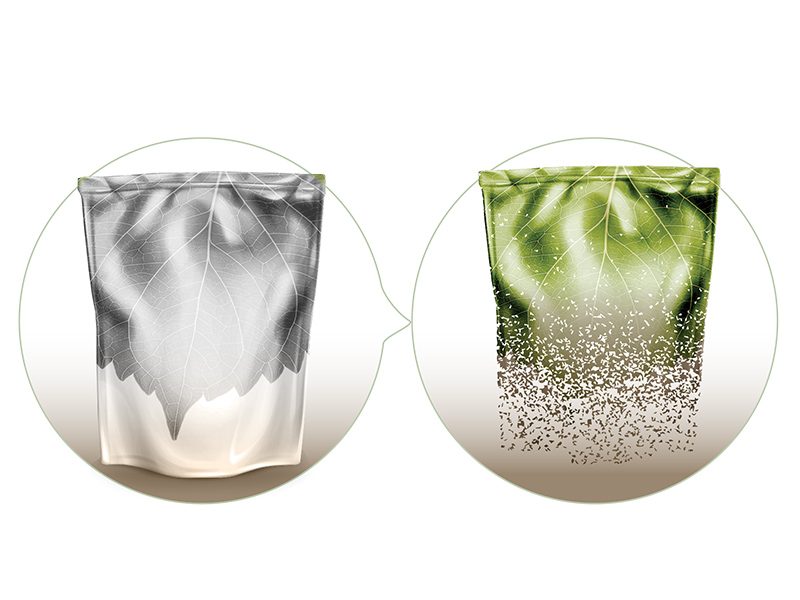
The resulting broken down material from compostable packaging is nutrient-rich and is able to be incorporated into the soil. This compost helps plants grow and thrive, and contributes to a more sustainable, closed-loop consumer system.

HOME COMPOSTABLE

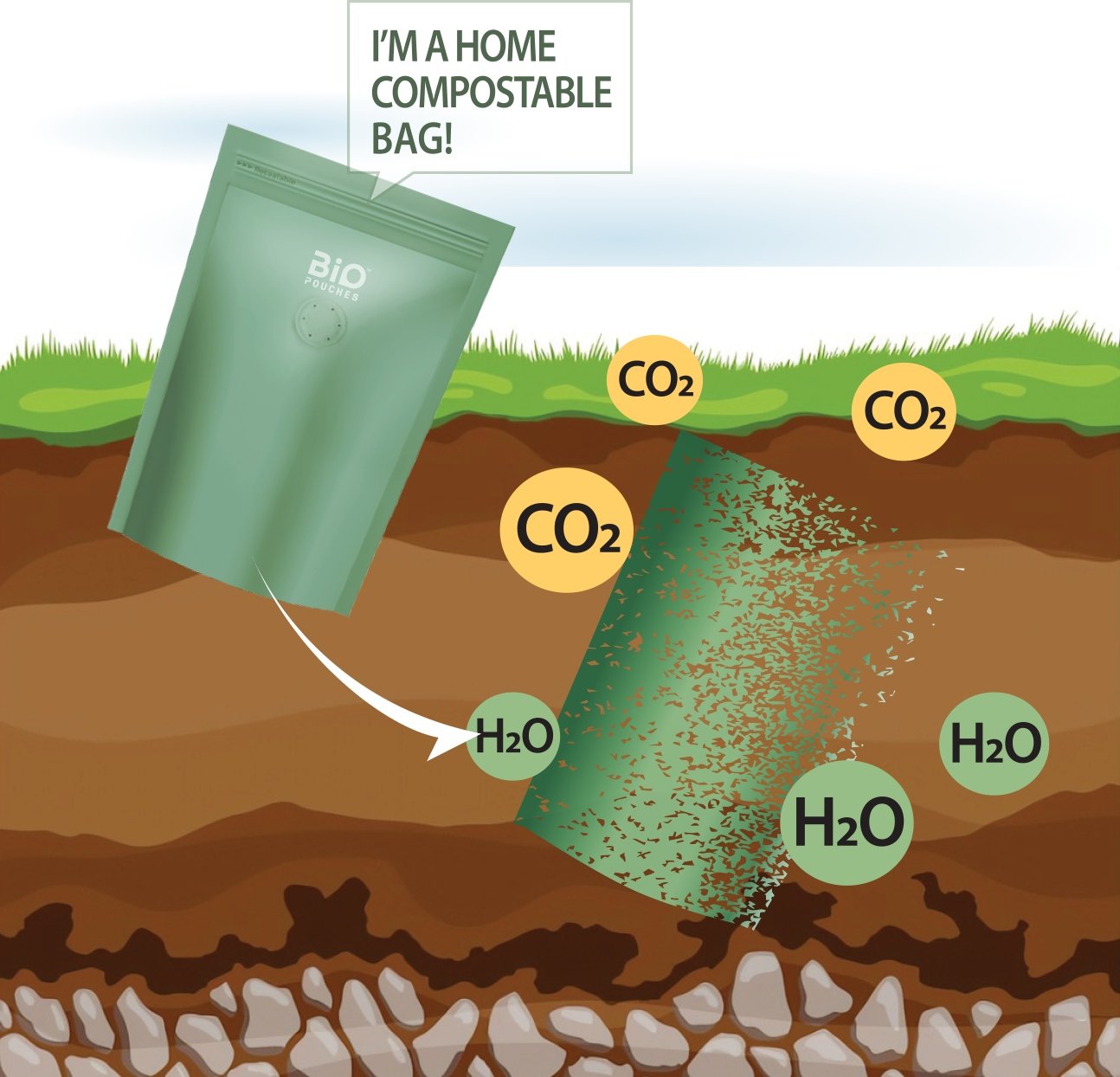
Home composting occurs at a much lower temperature and over a longer time than industrial composting—usually about a year—whereas industrial composting may be complete in a matter of weeks.

Everything that goes into making compostable packaging should break down and decompose into organic soil if it is labelled home compostable. This includes the ink, and glue, everything.

Home Composting Process

COMPOSTABLE PACKAGING MATERIALS

Kraft Paper|Outer Layer

Natural and eco-friendly, with good stiffness and printability, often used as the outer layer to provide a natural, sustainable look and structural support for packaging.

NKME|Barrier Layer

It features excellent oxygen and moisture barrier properties and is more easily degradable compared to traditional metallized films. It effectively extends the shelf life of contents while maintaining a lightweight and eco-friendly profile.

PLA|Inner Layer

Derived from renewable plant resources (such as corn and sugarcane), it offers good transparency and heat-sealing properties, and can fully decompose into carbon dioxide and water under industrial composting conditions, making it an important material for sustainable packaging.

PBS|Inner Layer

A biodegradable polyester with good flexibility and high heat resistance, it gradually degrades in home composting conditions and is often used as a heat-sealable layer, combining processability with eco-friendly properties.

test

Sustainable Ink

Sustainable inks are made from renewable resources such as vegetable oils, soybeans, and corn. These ingredients are all natural and cause no harm to the environment. They are non-toxic and safe for both humans and animals.

Biodegradable and cost-effective, these inks have a number of benefits over traditional petroleum-based inks, providing a safer and more efficient production process.

Certifications


Our products meet the highest global standards for compostability.

ABA Home Compostable

ABA Home Compostable

Australian standard that certifies plastic to be 90% biodegradable at 20–30°C, within 180 days.
DIN Home Compostable

DIN Home Compostable

The Benchmark for Products that Compost Efficiently and Safely in Home Environments.

BPI Industrial Compostable

BPI Industrial

The Gold Standard for Products Compostable in Industrial Facilities.

OK Compostable

OK Compostable

Ensuring complete and safe product decomposition in industrial composting facilities.

leave a message

leave a message
If you are interested in our products and want to know more details,please leave a message here,we will reply you as soon as we can.
submit

Home

Products

WhatsApp

contact

Enter product details (such as color, size, materials etc.) and other specific requirements to receive an accurate quote.
leave a message
If you are interested in our products and want to know more details,please leave a message here,we will reply you as soon as we can.
Submit