

Author
Marie R. Winters


If you've been shopping for sustainable packaging solutions lately, you've probably seen three buzzwords everywhere: compostable, biodegradable, and recyclable. They all sound eco-friendly — but they mean very different things. Using the wrong term can confuse your customers or, worse, lead to greenwashing accusations.
In this guide, we'll break down exactly what each label means, how they compare, and how to choose the right compostable packaging bags, recyclable packaging, or biodegradable packaging for your products.
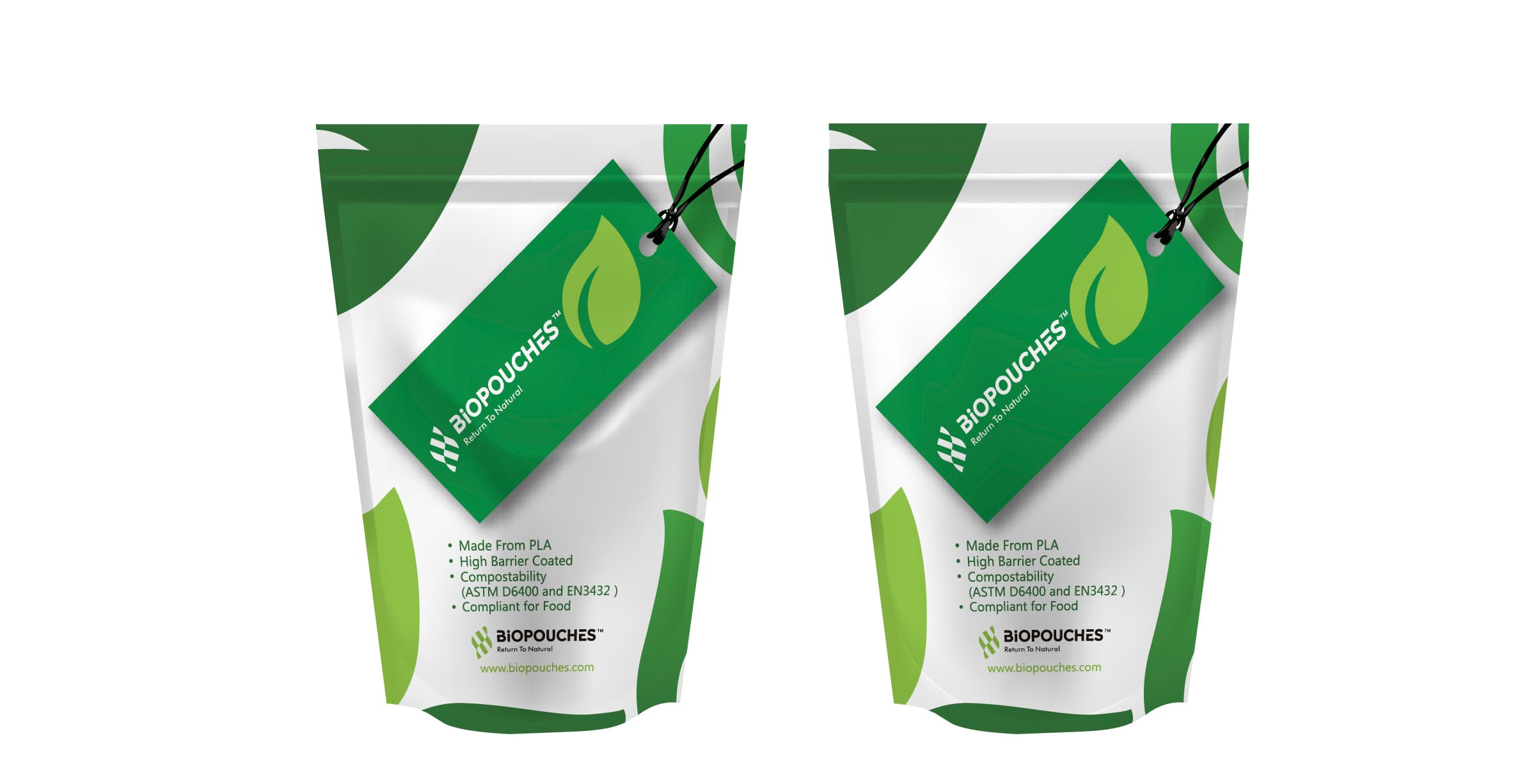
Biodegradable refers to any material that can be broken down by microorganisms into natural elements like water, CO₂, and biomass.
Here's the catch: almost everything is biodegradable — eventually. A plastic bottle can take 450 years. A wooden spoon takes a few months. Both are technically "biodegradable." The term alone doesn't tell you how long it takes or what conditions are required.
Key considerations:
Compostable is a higher standard. It means the material will break down into non-toxic, nutrient-rich compost under specific conditions within a defined time frame.
There are two main types:
| Type | Conditions | Time Frame | Certification |
|---|---|---|---|
| Industrial Compostable | Commercial facility at 55–60°C | 90–180 days | BPI, TÜV, DIN |
| Home Compostable | Backyard bin at ambient temperature | 6–12 months | TÜV HOME, OK Compost HOME |
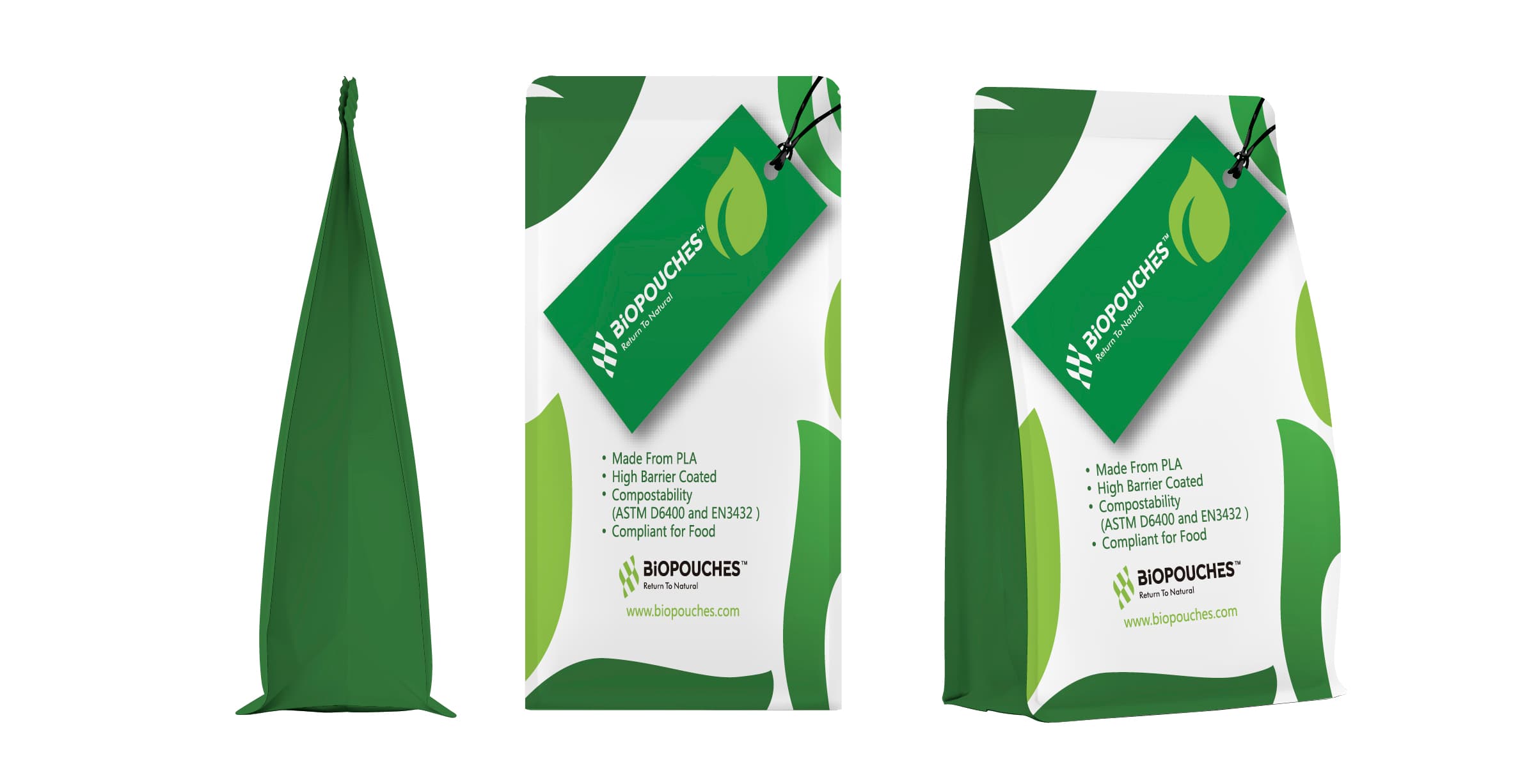
Why it matters: When you choose certified compostable packaging bags from Bioflexi, you're getting materials tested and certified by BPI, TÜV, and DIN. We offer both home compostable and industrial compostable options, depending on your material structure and certification requirements.
Recyclable means the material can be collected, processed, and turned into new products. Unlike compostable materials (which break down into soil), recyclable materials are reprocessed into raw materials.
Key points:
Bioflexi's recyclable packaging includes Mono-PE stand-up pouches and side-gusset bags, plus PCR (Post-Consumer Recycled) material options certified by GRS.
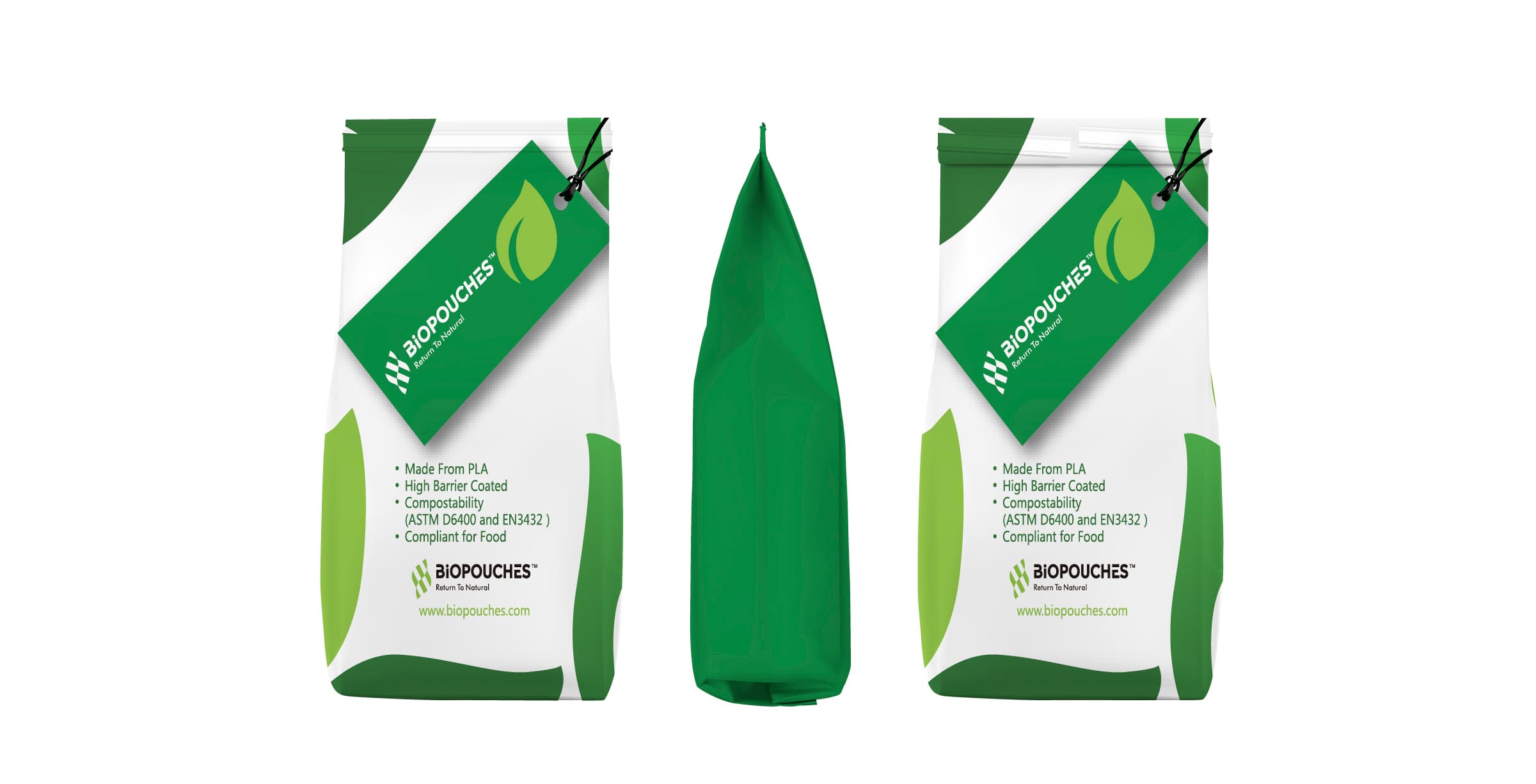
| Compostable | Biodegradable | Recyclable | |
|---|---|---|---|
| Breaks down into | Nutrient-rich compost | Various natural elements | Reprocessed into new materials |
| Time frame | Clearly defined (90–180 days / 6–12 months) | No defined time frame | Instant (reprocessing) |
| Certification | Required (BPI, TÜV, DIN) | Not required | GRS |
| End of life | Returns nutrients to soil | Unclear | Material is reused |
| Best for | Food-contaminated items | Varies | Clean, single-material packaging |
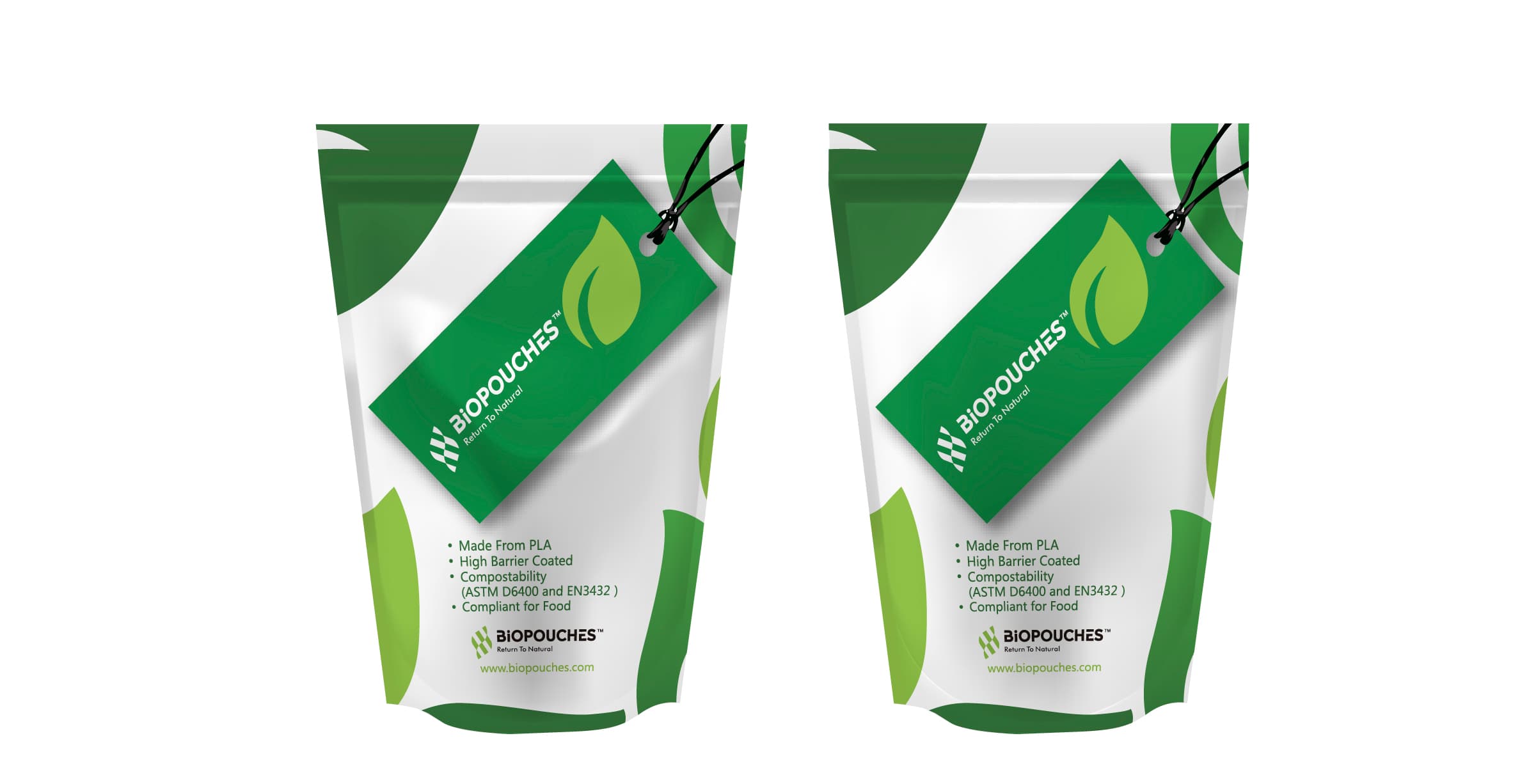
At Bioflexi, we offer all three options:
Whether you're packaging pet food, coffee, protein powder, tea, beef jerky, or seeds and grains, we have a sustainable packaging solution that fits your product and brand.
1. Are compostable bags actually better for the environment than recyclable bags?
It depends. Compostable bags are ideal for food-contaminated packaging. Recyclable bags are better for clean, single-material packaging. Both are far better than conventional plastic when disposed of properly.
2. How long does it take for a certified compostable bag to break down?
Industrial compostable bags break down in 90–180 days at 55–60°C. Home compostable bags take 6–12 months in a backyard bin.
3. Can I put biodegradable packaging in my home compost bin?
Not necessarily. "Biodegradable" has no standard certification. Always look for home compostable certification (TÜV HOME or OK Compost HOME).
4. What certifications should I look for in sustainable packaging?
For compostable: BPI (North America), TÜV and DIN (Europe). For recycled content: GRS. For responsible sourcing: FSC. All Bioflexi materials carry these certifications.
5. Is recycled plastic packaging as good as virgin plastic?
Modern PCR materials offer excellent barrier performance and durability for most dry food and pet food applications, while significantly reducing carbon footprint.
Looking for sustainable packaging solutions? Contact Bioflexi today to discuss your custom compostable packaging bags, recyclable packaging, or biodegradable packaging needs.
lf you would like to work with us or just want to get intouch, we'd love to hear from you!

Copyright @ 2026 Shanghai BioPouches Co., Ltd All Rights Reserved. Network Supported
leave a message