

Author
Marie R. Winters


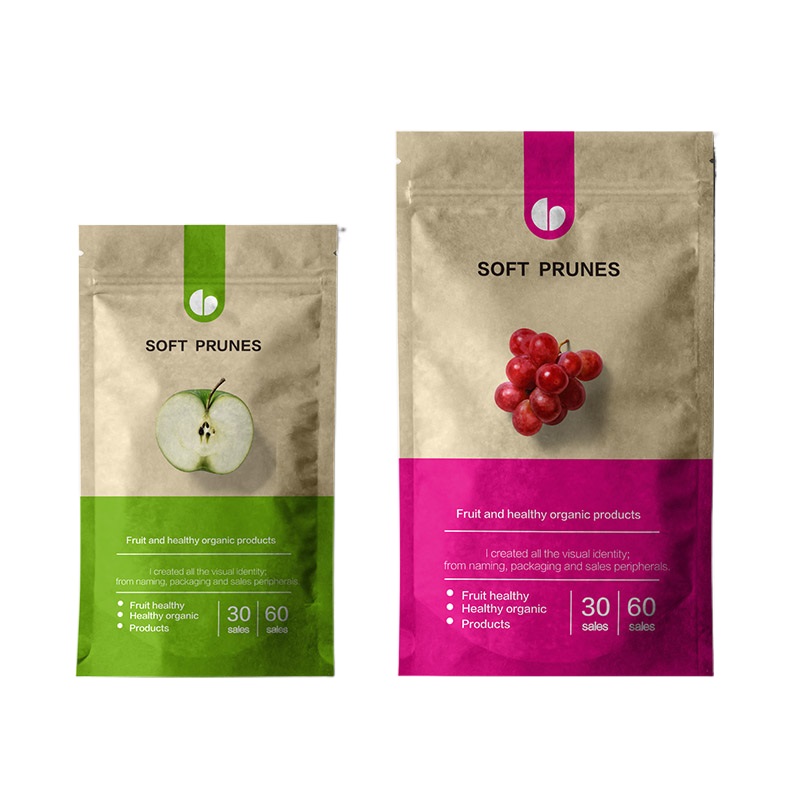
You will notice clear differences between a stand-up pouch and traditional packaging when you compare them side by side. Stand up pouches offer lightweight, collapsible designs that cut shipping costs and reduce carbon emissions by up to 93%. A pouch can keep food fresher for longer and provide excellent barrier control, but it may not protect products as well as rigid options. Traditional packaging gives you stronger product protection and high recyclability, yet it often costs more and takes up more storage. Consider your product’s needs and your brand’s goals as you weigh these options.
Stand-up pouches are lightweight and space-efficient, reducing shipping costs and carbon emissions significantly.
These pouches offer excellent barrier protection, keeping products fresh longer while providing branding opportunities with high-quality graphics.
Consider the environmental impact; while pouches use less material, their multi-layer design can complicate recycling.
Traditional packaging provides stronger protection for fragile items and is often more recyclable, appealing to brands focused on sustainability.
Evaluate your product's needs and market preferences to choose the right packaging that balances cost, convenience, and brand perception.
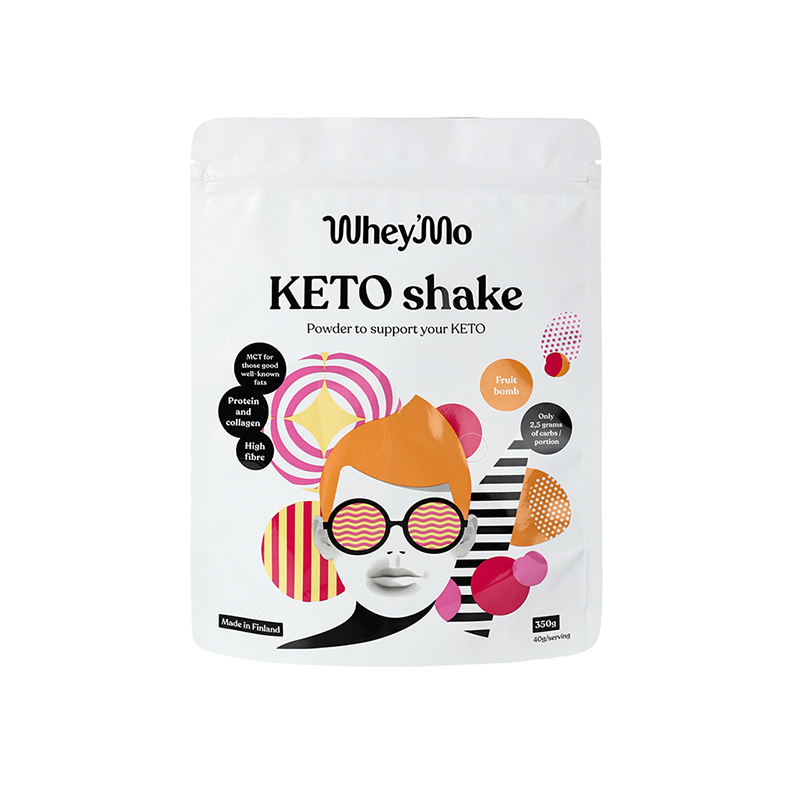
You will find that stand up pouches offer a unique combination of flexibility and protection. These pouches use multiple layers, each with a specific function that improves performance. The table below shows the main layers and their roles in stand up pouch packaging:
|
Layer Type |
Material Examples |
Function Description |
|---|---|---|
|
Outer Print Layer |
PET, BOPP |
Provides branding and product information. |
|
Middle Barrier Layer |
AL, VMPET, PA, EVOH |
Prevents oxygen and moisture ingress, protects against light, extends shelf life. |
|
Inner Sealant Layer |
LDPE, LLDPE |
Ensures product safety, reliable sealing, and prevents leaks or contamination. |
The middle barrier layer plays a key role in keeping your products fresh. It blocks oxygen and moisture, which helps extend shelf life. The inner layer must be food-grade and reliable, so you can trust that your pouch will not leak or contaminate its contents. You can also print high-quality graphics on the outer layer, which helps your brand stand out on the shelf.
Stand up pouches save space and reduce shipping costs. You can store more pouches in less space compared to traditional packaging. The lightweight design means you use less material, which lowers your carbon footprint and supports sustainability goals.
Tip: Choose a stand-up pouch if you want packaging that balances protection, branding, and efficiency.
You will see stand up pouches used in many industries. The organic food sector often chooses these pouches because they support sustainability and keep food fresh. Consumer packaged goods companies use stand up pouch packaging to meet customer demand for convenience and easy storage.
Organic food brands value pouches for product integrity and eco-friendly appeal.
Consumer packaged goods companies use pouches to align with brand values and offer resealable, easy-to-use packaging.
Pouches help reduce waste because they use less material than rigid options.
High-barrier films in pouches keep products fresh and reduce spoilage.
Stand up pouches work well for snacks, pet food, coffee, powders, and even liquids.
You can use a stand-up pouch for almost any product that needs freshness, convenience, and strong shelf presence. If you want to move away from traditional packaging, pouches offer a modern, flexible solution.
You gain a major advantage with stand up pouches when you focus on space efficiency. These pouches use up to 70% less material than rigid packaging. You can store more pouches in your warehouse, which improves storage efficiency. Their compact design allows you to display more products on shelves, making the most efficient use of shelf space. You also benefit from easier shipping because stand-up pouches fit more units in a smaller area.
Stand-up pouches utilize space efficiently during storage and shipping.
You can fit more pouches in a truck or on a shelf compared to traditional packaging formats.
You reduce material usage, which supports sustainability and lowers costs.
You protect your products with stand up pouch packaging because these pouches use multi-layer laminates. Each layer blocks moisture, oxygen, and UV light. You keep dry foods, snacks, and other sensitive products fresh for longer. The resealable features help you maintain freshness after opening.
|
Product Protection |
Stand-Up Pouches |
Traditional Packaging |
|---|---|---|
|
Barrier Properties |
Excellent barriers with multi-layer films for moisture, oxygen, light, and aroma. Resealable features enhance freshness. |
Variable effectiveness; glass and metal provide good protection but can be heavy, while cardboard offers minimal protection. Not typically resealable. |
You choose stand-up pouches for their strong protection against environmental factors. You also enjoy the convenience of resealable closures, which help you preserve product quality.
You save money with stand-up pouches because they use up to 75% less material by weight. You lower your shipping costs since pouches are lighter and take up less space. You benefit from a lower per-unit cost for materials and logistics.
|
Aspect |
Stand-Up Pouches |
Traditional Packaging |
|---|---|---|
|
Material & Weight |
Uses up to 75% less material by weight, reducing shipping costs. |
Heavier and bulkier, resulting in higher shipping and storage costs. |
|
Cost Structure |
Lower per-unit cost for materials and shipping. |
Higher per-unit cost for materials, filling, and logistics. |
|
Economic Advantage |
Can reduce packaging weight by 70-80%, leading to a 30-40% reduction in transportation costs. |
N/A |
You also avoid potential taxes and penalties from stricter environmental regulations when you choose compostable pouches. Upfront costs for eco-friendly pouches may be higher, but you often see long-term savings. Digital printing lets you order smaller batches, which reduces waste and supports custom designs.
Tip: You can ship more pouches per truck, which lowers transportation costs and supports your sustainability goals.
You attract customers with stand-up pouches because they display products upright. You maximize visibility and make your products stand out among competitors. The three-dimensional effect draws shoppers’ attention. Resealable features add convenience, which encourages repeat purchases.
Stand-up pouches allow products to be displayed upright, maximizing visibility and attractiveness.
The three-dimensional shape helps your product stand out on crowded shelves.
Resealable closures improve customer satisfaction and support repeat sales.
You create a strong shelf presence with stand-up pouches, which helps you build brand recognition and boost sales.
You customize stand-up pouches to match your branding and product needs. You choose from custom sizes, finishes, and features. You select materials like fabric or PVC to align with your brand’s aesthetics. You use printing techniques such as screen printing or foil stamping to enhance visibility and appeal.
Custom designs improve visibility and recognition in a crowded market.
Design flexibility lets you adapt packaging as your branding evolves.
Functional details like closures and transparent windows improve both presentation and usability.
You use stand-up pouches to create packaging that fits your brand and appeals to your customers. You gain flexibility and control over your packaging strategy.
Note: You should weigh the pros and cons of stand-up pouches and traditional packaging before making your final decision.
You may notice that a stand-up pouch does not offer the same level of protection as traditional packaging. The flexible material can puncture or tear if you handle it roughly. Heavy or sharp products may damage the pouch during shipping or on the shelf. Rigid containers, such as glass jars or metal cans, provide stronger protection against crushing and impact. If your product needs extra security, you might need to add secondary packaging, which increases costs and reduces the benefits of space efficiency.
You want your product to stand out and feel premium. Stand up pouches have become more attractive to consumers because brands invest in high-quality printing, metallic finishes, and unique shapes. These features help you position your product in the premium segment and improve shelf impact. Many shoppers see pouches as modern and convenient. They appreciate features like resealable zippers, clear windows for product visibility, and easy-open designs.
Convenience and ease of use
Appeals to younger shoppers, especially millennials
Safer and easier to open than glass or metal
Resealable for freshness
Higher perceived value with premium finishes
Note: While many consumers view pouches as high-value, some still associate traditional packaging with luxury or durability. You should consider your target market’s expectations before making a switch.
You may want to choose packaging that supports sustainability. Stand-up pouches use less material and help reduce food waste by keeping products fresh longer. However, most pouches use multi-layer materials that make recycling difficult. Many recycling centers cannot process these pouches, so they often end up in landfills. Some pouches use recyclable materials like LDPE or PET, but the layers complicate recycling. The current recycling infrastructure does not fully support these designs.
Multi-layer construction limits recyclability
Many pouches end up in landfills
Lower carbon footprint during production
Helps reduce food waste by extending shelf life
You should weigh the environmental benefits of reduced material use against the challenges of recycling. If sustainability is a top priority, you may need to research new pouch options or work with suppliers who offer recyclable or compostable solutions.
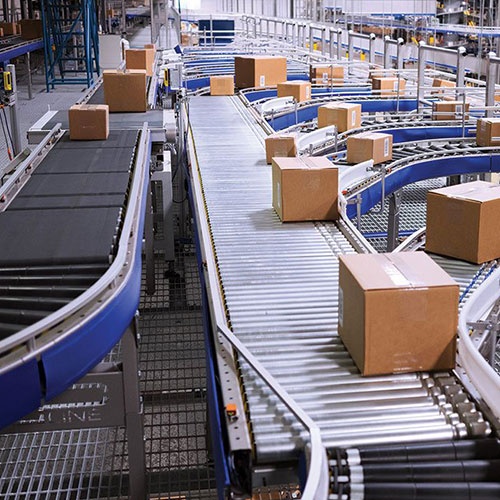
You will find that traditional packaging often relies on rigid materials to protect and display products. Rigid packaging includes containers that keep their shape under normal handling. These structures give you strong protection for fragile items and help your products stand out on store shelves. You can stack these containers easily in warehouses, which helps with storage and transport.
Rigid packaging includes glass bottles, metal cans, plastic containers, and cardboard boxes that maintain their shape under normal handling. These structures excel at protecting fragile contents, providing premium shelf presence, and offering superior stacking strength for warehouse storage.
You can choose from several main types of traditional packaging, each with unique material compositions:
Corrugated cardboard: Three layers—inner liner, outer liner, and fluted medium.
Plastic packaging: Various plastics, known for durability and flexibility.
Glass containers: Made of glass, offering recyclability and preservation of contents.
Metal packaging: Aluminum or steel, providing strength and barrier properties.
Flexible packaging: Plastic films and foils, allowing for easy molding.
Paperboard packaging: Thick paper, known for strength and printability.
Wood packaging: Wood for pallets and crates, offering durability.
Foam packaging: Expanded polystyrene or polyethylene, providing cushioning.
Biodegradable and eco-friendly packaging: Materials that break down naturally.
Protective packaging: Bubble wrap and foam inserts for safeguarding products.
Food packaging: Various materials ensuring safety and quality.
Pharmaceutical packaging: Specialized materials for medical products.
You should compare these options with a stand-up pouch or pouches to see which best fits your needs.
You will see rigid packaging used in many industries. The food and beverage sector relies on jars, bottles, and cans to keep items safe and fresh. Pharmaceutical companies use plastic containers and boxes to protect medicines. Cosmetic brands choose glass bottles and jars for a premium look. Consumer goods often use cardboard boxes for shipping and display.
Jars
Bottles
Boxes
Cans
Plastic containers
You can trust traditional packaging to maintain product quality and ensure safety during storage and transport. When you need strong protection and a classic look, rigid packaging gives you reliable results.
You want your products to arrive safely and in perfect condition. Traditional packaging gives you strong protection because it uses rigid materials like glass, metal, and hard plastics. These materials create a sturdy barrier that shields your products from temperature changes, impacts, and moisture. You can trust this type of packaging to keep fragile items safe during shipping and storage.
Rigid packaging protects against crushing and breaking.
Glass and metal containers block out moisture and air, which helps preserve freshness.
Hard plastics resist impacts and keep products secure.
Flexible packaging, such as a eco-friendly stand-up pouch, offers good barrier properties for moisture and oxygen. However, rigid packaging stands out when you need to protect items from physical damage. If you ship delicate or high-value goods, you gain peace of mind with traditional packaging.
You shape how customers see your brand with the packaging you choose. Traditional packaging often creates a sense of quality and trust. When you use glass jars, metal tins, or sturdy boxes, you send a message that your product is premium and reliable. The look and feel of these materials can influence buying decisions and build loyalty.
|
Aspect |
Description |
|---|---|
|
Perception and visual appeal |
Packaging starts the buyer-product relationship. Colors and graphics catch the eye. |
|
Emotional connection |
Packaging can trigger emotions, such as nostalgia, and create lasting bonds with consumers. |
|
Cognitive processes |
Clear information and attractive presentation help customers make confident choices. |
You can use traditional packaging to create a memorable first impression. The weight and texture of a glass jar or metal can add to the experience. You help customers feel confident in their purchase when you choose packaging that looks and feels substantial.
You support sustainability goals when you select traditional packaging materials. Many rigid containers use paper, metal, glass, or cardboard. These materials are widely accepted in recycling programs, making it easier for customers to recycle after use.
Paper, metal, glass, and cardboard are common in traditional packaging and are easy to recycle.
Some flexible packaging, like pouches, uses plastics that are harder to recycle.
New recycling technologies, such as chemical recycling, can turn plastics from pouches into new materials, but these methods are still developing.
You help reduce waste by choosing packaging that fits into existing recycling systems. While a stand up pouch or flexible pouch may use less material, traditional packaging gives you more straightforward recycling options. You can reassure your customers that your packaging supports a cleaner environment.
You face challenges with bulk and storage when you use traditional packaging. Rigid containers like glass jars, metal cans, and boxes take up more space in your warehouse. You need extra room to store these materials, which can lead to higher operational costs. When you compare a stand-up pouch to a rigid container, you notice that pouches stack more efficiently and use less space. You also find that bulky packaging makes transportation harder. You must plan for larger shipments and pay more for freight. If you want to maximize storage and reduce costs, you may need to rethink your packaging strategy.
Tip: You can improve warehouse efficiency by switching from traditional packaging to stand up pouches.
You encounter several cost factors when you choose traditional packaging. Rising raw material costs impact your budget. You must deal with supply chain disruptions, which can cause delays and increase expenses. Fluctuations in demand may lead to overstocking or understocking, affecting your inventory management. Warehousing space constraints add to your operational challenges. Transportation costs remain high because rigid packaging takes up more room and weighs more. You may need to invest in advanced logistics technologies and train your staff, which increases upfront costs. Labor shortages can delay processing and shipping.
|
Cost Factor |
Description |
|---|---|
|
Rising Raw Material Costs |
Higher prices for paper, plastic, and aluminum drive up production expenses. |
|
Supply Chain Disruptions |
Material scarcity and shipping issues force you to adjust sourcing and production strategies. |
|
Fluctuations in Demand |
Unpredictable demand leads to inefficient warehouse use and inventory problems. |
|
Inventory Management |
Diverse materials complicate picking, packing, and shipping. |
|
Warehousing Space Constraints |
Bulkiness creates storage challenges and inefficiencies. |
|
Transportation Costs |
Larger, heavier packaging increases freight expenses. |
|
Technological Integration |
Efficiency improvements require investment and training. |
|
Labor Shortages |
Delays in processing and shipping due to staffing issues. |
You must consider these factors when you evaluate your packaging options. If you want to lower costs, you may find that a pouch or stand-up pouch offers better efficiency.
You notice limits in customization with traditional packaging. Design flexibility remains restricted compared to flexible packaging. You pay higher material costs and shipping expenses. If you want to create unique shapes or sizes, you face more challenges with rigid containers. Flexible pouches allow you to adapt quickly to branding changes and market trends.
|
Aspect |
Traditional Packaging |
Flexible Packaging |
|---|---|---|
|
Design Flexibility |
Limited |
High |
|
Material Costs |
Higher |
Lower |
|
Shipping Costs |
Higher |
Lower |
You gain more options with a pouch or stand-up pouch. If you want to stand out on the shelf and respond to customer preferences, flexible packaging gives you greater control.
You need a clear framework when choosing the right packaging for your product. Start by evaluating the material composition. Safe materials matter, especially for products exposed to high temperatures. Compliance with safety and labeling regulations protects your business from legal issues. Consumer preferences play a big role. For example, food items often require moisture protection and freshness. Durability and sustainability help you meet environmental goals and customer expectations. Closure options, such as zippers or heat seals, add convenience and improve functionality.
|
Criteria |
Description |
|---|---|
|
Material Composition |
Choose safe materials, especially for high-temperature items. |
|
Compliance |
Meet safety and labeling regulations to avoid legal issues. |
|
Consumer Preferences |
Address product needs, such as moisture protection for food. |
|
Durability and Sustainability |
Select durable and eco-friendly materials. |
|
Closure Options |
Consider zippers and heat seals for added convenience. |
Regulatory requirements now emphasize sustainability. You face growing pressure to adopt eco-friendly packaging. Customers expect brands to support environmental practices, so you must consider these trends.
Ask yourself these questions to find the best fit for your brand:
What type of product do you want to package?
Does your market segment value luxury or affordability?
How much budget can you allocate for packaging?
Do you need packaging that offers convenience, such as resealable closures?
Will your customers prefer a stand-up pouch or traditional packaging?
Does your product require extra protection or extended freshness?
Are you meeting all regulatory and sustainability requirements?
Luxury brands often use high-quality materials and refined designs to signal premium value. Budget brands choose lightweight, glossy materials to minimize costs and attract price-conscious shoppers. Your choice of materials and finishes shapes how customers perceive your product.
You can compare stand up pouch packaging and traditional packaging using real-world scenarios.
|
Scenario |
Stand-up Pouches |
Traditional Packaging |
|---|---|---|
|
Freshness |
Maintains product freshness |
May not offer the same freshness |
|
Protection |
Durable and puncture-resistant |
More robust for fragile items |
|
Sustainability |
Lightweight and recyclable |
Often heavier and less sustainable |
|
Versatility |
Suitable for many food types |
Limited to specific products |
|
Cost-effectiveness |
More cost-effective |
Can be more expensive |
You gain convenience and longer shelf life with a pouch. You benefit from vibrant graphics and easy transport. Traditional packaging works best for fragile items and luxury products. Choose the option that aligns with your product, market, and budget.
You have seen how a stand-up pouch offers vibrant shelf appeal, cost efficiency, and convenience, while traditional packaging provides strong protection and straightforward recycling. The table below highlights the main differences:
|
Feature |
Stand-Up Pouches |
Traditional Packaging |
|---|---|---|
|
Visibility |
Product can be seen |
Product hidden by labels |
|
Shelf Appeal |
Upright, eye-catching |
Limited design flexibility |
|
Cost Efficiency |
Lower costs |
Higher costs |
|
Sustainability |
Fewer resources used |
Often more recyclable |
|
Convenience |
Resealable, lightweight |
Bulkier, harder to open |
|
Versatility |
Highly customizable |
Less flexible |
You should match your packaging choice to your product, brand, and customer needs. Consider the latest trends in pouches, such as recyclable pouch materials and smart features. Review your current strategy and consult experts to ensure your stand up pouches or traditional packaging align with your goals.
You can open and reseal stand-up pouches easily. This feature helps you keep products fresh and reduces waste. You also find them lightweight and simple to carry, which improves consumer convenience for daily use.
You notice that traditional packaging often offers high recyclability. Many recycling programs accept glass, metal, and cardboard. Stand-up pouches use layered materials, which makes recyclability more challenging. You should check local recycling guidelines before disposal.
You see that stand-up pouches use less material and lower shipping emissions. This supports environmentally friendly packaging goals. However, you may face challenges with recycling. You should look for new pouch designs that support sustainable practices.
You can reduce waste by selecting packaging that uses fewer materials and offers resealable features. Stand-up pouches help you minimize product loss and packaging waste. You should also encourage customers to recycle whenever possible.
You find that brands choose traditional packaging for its strong protection and premium feel. High recyclability and established recycling systems also attract brands. These factors help companies meet customer expectations and support sustainable practices.
lf you would like to work with us or just want to get intouch, we'd love to hear from you!

Copyright @ 2026 Shanghai BioPouches Co., Ltd All Rights Reserved. Network Supported
leave a message