

Author
Marie R. Winters


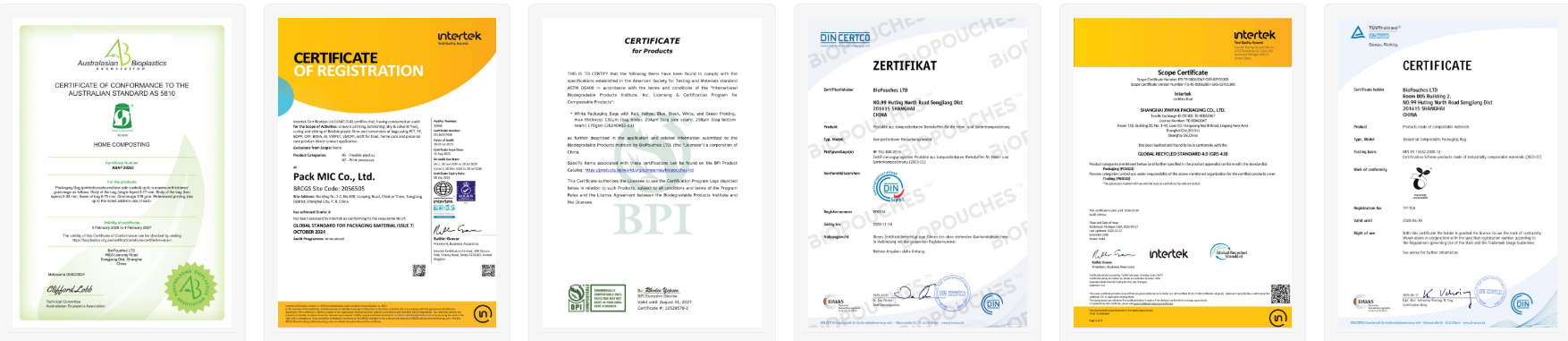
You face many choices when selecting Compostable Coffee Bags. Certification labels help you identify genuine compostable packaging. The most recognized certifications include EN 13432, ASTM D6400, BPI, OK Compost, DIN Certco, and AS 4736/5810. Most bags qualify for industrial composting, not home composting. Compare the standards in the table below to see their global significance:
| Certification | Region | Significance |
|---|---|---|
| EN 13432 | Europe | Gold standard for compostable packaging in Europe |
| ASTM D6400 / D6868 | United States | Confirms biodegradation in industrial composting |
| BPI | United States / Canada | Legally required for 'compostable' claims |
| OK Compost | International | Industrial and home composting suitability |
| AS 4736 / 5810 | Australia / New Zealand | Recognized in Oceania |
| DIN CERTCO | Europe / Global | Trusted globally |

You should look for EN 13432 certification when you want to confirm that compostable coffee bags meet strict European standards. This certification sets clear requirements for compostable packaging. The table below shows what a coffee bag must achieve to earn EN 13432:
| Requirement | Description |
|---|---|
| Biodegradability | At least 90% of the material must break down into carbon dioxide, water, and biomass within six months under industrial composting. |
| Disintegration | After twelve weeks, pieces must be smaller than 2 mm. |
| Heavy Metal Limits | The material cannot contain high levels of metals like lead, chromium, nickel, mercury, or copper. |
| Ecotoxicity & Plant Growth | Compost made from the bag must support healthy plant growth and show no toxic effects. |
You can trust EN 13432 to ensure your coffee packaging will not harm the environment during composting.
If you live in the United States, you will often see ASTM D6400 on compostable coffee bags. This standard confirms that the bag will break down in an industrial composting facility. The following table explains the main requirements for ASTM D6400:
| Requirement | Description |
|---|---|
| Biodegradation | The bag must break down into carbon dioxide, water, and biomass through microbial activity. |
| Disintegration | The bag must physically fragment to pass through a 2 mm screen after composting. |
| Environmental Safety | The finished compost must not contain harmful heavy metals or toxins and must support plant growth. |
| ASTM D5338 Test | The bag must pass a laboratory test that simulates industrial composting conditions. |
You can rely on this certification to show that your compostable packaging will perform as promised in the right facility.
BPI certification is important if you want to sell compostable coffee bags in the United States or Canada. BPI uses ASTM standards and adds extra steps to protect consumers and the environment. Here are the main criteria for BPI certification:
| Criteria for BPI Certification | Description |
|---|---|
| ASTM Standards | The bag must meet American Society for Testing and Materials standards. |
| Biodegradation Testing | The bag must degrade by biological processes during composting. |
| Disintegration Testing | The bag must disintegrate properly in composting conditions. |
| Documentation | You must submit product information, a declaration of PFAs, and non-disclosure agreements. |
| Testing Fee | You must pay a $1500 fee when you submit paperwork. |
| Testing Duration | Testing usually takes about six months at a BPI-approved lab. |
You can find BPI-certified coffee packaging from manufacturers like Bowe Pack and CP Flexpack. These companies offer compostable coffee bags with features such as valves for freshness.
OK Compost certification helps you know where you can compost your coffee packaging. There are two types:
| Certification Type | Composting Environment |
|---|---|
| OK Compost Industrial | Industrial composting facilities |
| OK Compost Home | Home or garden composting |
If you see OK Compost Home on a coffee bag, you can compost it in your backyard. For example, Green Century Compostable Coffee Capsules have earned this label in Europe. Most compostable coffee bags, however, only qualify for industrial composting.
Tip: Always check the label to see if your bag is suitable for home or industrial composting.
DIN Certco is a respected certification body in Europe and worldwide. When you see DIN Certco on compostable coffee bags, you know the product has passed strict tests for compostability and safety. DIN Certco often works with EN 13432 and other international standards. This certification gives you confidence that your coffee packaging will break down safely in the right composting environment.
If you live in Australia or New Zealand, you should look for AS 4736 or AS 5810 on compostable coffee bags. These certifications show that the bag meets local requirements for compostable packaging. The table below highlights the differences:
| Certification | Description | Composting Environment | Decomposition Timeframe |
|---|---|---|---|
| AS 4736-2006 | Standard for commercially compostable and biodegradable plastics. | Industrial composting | Not specified |
| AS 5810-2010 | Verifies that the bag can be home composted. | Home composting | Decomposes within six months, fully biodegrades within one year |
You should choose AS 5810 if you want to compost your coffee packaging at home. AS 4736 is best for bags that will go to an industrial facility.
By understanding these certifications, you can make better choices for your business or home. You help protect the environment and support the use of compostable coffee bags.
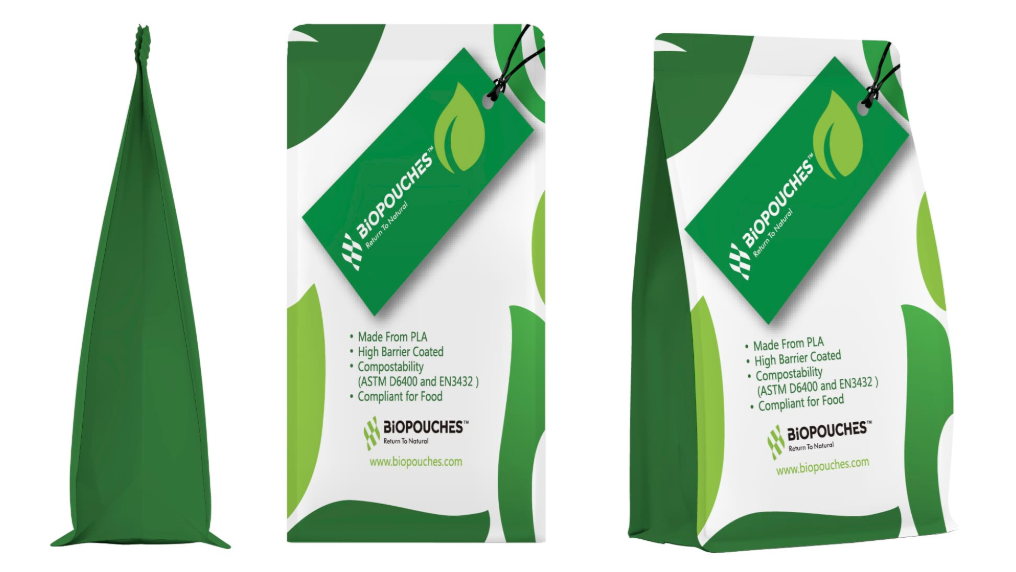
You build trust with your customers when you choose certified compostable coffee bags. Certifications show your commitment to sustainability. Many consumers look for brands that use eco-friendly practices. When you display clear information about your coffee packaging’s compostability, you increase your credibility.
You must follow strict rules if you want to label your coffee packaging as compostable. Many states, such as California, require products to meet specific standards like ASTM D6400. These laws also demand third-party certifications. By using certified compostable coffee bags, you avoid misleading claims and accusations of greenwashing.
You open new opportunities when you use certified compostable packaging. Many retailers and distributors only accept products with recognized certifications. Some regions will not allow you to sell coffee packaging without proof of compostability. Certifications help you reach eco-conscious customers and enter markets with strict environmental standards. You also show that your brand supports responsible choices for the planet.
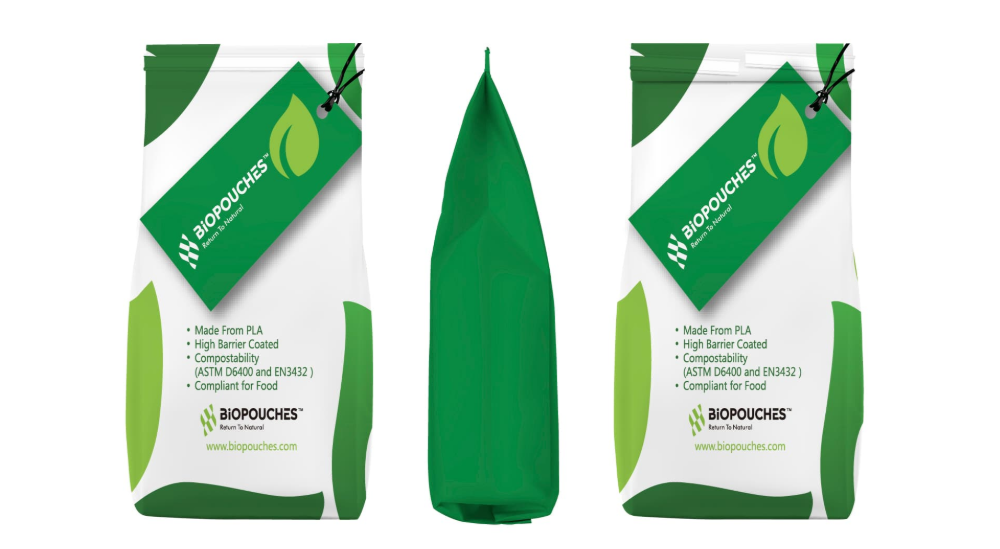
You can quickly spot certified compostable packaging by looking for trusted certification logos. These symbols show that the coffee packaging meets strict compostability standards. Here are the most common logos you will find on certified coffee bags:
| Logo Type | Certification Body | Composting Type |
|---|---|---|
| BPI Compostable | Biodegradable Products Institute | Commercial only |
| OK Compost | Vincotte | Industrial facility |
| Seedling Logo | Australian Bioplastics Association | Commercial & Home |
When you see these logos, you know the packaging has passed third-party testing. For example, Bioflexi displays the BPI and OK Compost logos on its coffee bags, making it easy for you to confirm their compostability.
You should always check the label for clear claims about compostability. Look for statements like “Certified compostable in industrial facilities” or “Home compostable.” Avoid bags that only say “compostable” or “biodegradable” without a certification logo. Labels without third-party proof can be risky:
| Compliance Status | Risk Level |
|---|---|
| High Risk | Likely violates FTC Green Guides |
| Moderate Risk | Hard to defend in audits |
| Low Risk | Gold standard for regulatory safety |
Tip: Always verify that the coffee packaging has a recognized certification logo, not just a claim.
You can also identify certified compostable coffee bags by checking the materials used. Most certified bags use plant-based or bio-based materials that break down safely. Common materials include:
| Material Type | Compostability Characteristics |
|---|---|
| PLA (polylactic acid) | Made from plant sugars, composts in industrial settings, offers moderate oxygen barrier. |
| Cellulose-based films | Naturally compostable, good oxygen barrier when dry, less effective in humidity. |
| Compostable barrier coatings | Improve moisture resistance and oxygen barrier while staying compostable. |
| Compostable degassing valves | Allow CO₂ to escape, made from bio-based polymers that meet compostability standards. |
Bioflexi uses PLA and compostable barrier coatings in its coffee packaging, ensuring both product freshness and environmental responsibility.
By learning to recognize logos, label claims, and materials, you can confidently choose Compostable Coffee Bags that meet real standards.
You will notice that compostable packaging certifications differ by region. Each area sets its own rules for what counts as compostable. For example, BPI certification is essential in North America and follows the ASTM D6400 standard. EN 13432 is the main standard in Europe and requires strict testing for disintegration, biodegradation, and eco-toxicity. OK Compost, managed by TÜV Austria, covers both industrial and home composting and is recognized internationally.
When you source coffee packaging, you must check which certifications are accepted in your target market. Brands often face these challenges:
You need to understand the difference between industrially and home compostable coffee bags. Industrially compostable bags break down only in commercial facilities with high temperatures and controlled conditions. These facilities are rare in many regions. Home compostable bags decompose in backyard compost piles at normal temperatures, making them easier for most people to use. However, home compostable materials may not protect coffee as well because they often lack strong moisture and oxygen barriers. This can affect the freshness of your coffee over time.
Note: Always check if your compostable packaging is suitable for home or industrial composting before disposal.
You have several material options for certified compostable coffee packaging. Each comes with its own cost and performance features. Here is a quick reference:
| Material Type | Cost per Unit (at 25K+ volume) | Compostability | Barrier Properties |
|---|---|---|---|
| Conventional foil bag with plastic valve | $0.20-0.40 | Not compostable | Excellent |
| Compostable bag with compostable valve | $0.30-0.60 | Certified | Good to moderate |
Compostable Coffee Bags usually cost more than traditional options, but they support your sustainability goals. You should always confirm that the entire coffee packaging, including valves and coatings, meets the right certification for your region.
You make a positive impact when you choose certified Compostable Coffee Bags. These certifications protect you from misleading claims and support real sustainability.
Certifications for compostable coffee bags provide verified, science-backed claims of sustainability, ensuring compliance with regulations and protecting businesses and consumers from misleading environmental claims.
When you check for trusted logos and clear labels, you help prevent greenwashing. Certified packaging also builds trust, enhances your brand, and supports a cleaner environment.
Compostable coffee bags break down into natural materials in composting conditions. Regular coffee packaging often contains plastics or foils that do not decompose. You help reduce landfill waste when you choose compostable packaging for your coffee.
Look for certification logos like BPI, OK Compost, or EN 13432 on the coffee packaging. These marks show that the compostable coffee bag meets strict standards. Avoid bags that only say “compostable” without proof.
Not all compostable coffee bags work in home compost bins. Many require industrial composting facilities. Always check the label for “home compostable” certification before adding coffee packaging to your backyard compost.
Certifications protect you from misleading claims. They prove that compostable packaging, like coffee bags, will break down safely. You can trust certified products to support your sustainability goals.
Compostable coffee bags usually cost more than traditional coffee packaging. You pay for eco-friendly materials and certification. Many brands see this as an investment in sustainability and customer trust.
lf you would like to work with us or just want to get intouch, we'd love to hear from you!

Copyright @ 2026 Shanghai BioPouches Co., Ltd All Rights Reserved. Network Supported
leave a message