

Author
Marie R. Winters


You want coffee packaging that protects freshness and supports sustainability. Kraft Paper offers strong eco credentials, but lined bags may limit recyclability. Compostable coffee bags break down easily and reduce waste. Each option gives you unique benefits and drawbacks. Choosing the right packaging improves product quality and supports environmental goals.
You face a choice between two popular coffee packaging options. Kraft paper coffee bag styles use natural fibers and often require a lining to protect your beans. Compostable coffee bags rely on advanced materials that break down in industrial composting facilities. You notice that both types aim to preserve freshness, but they use different barrier technologies. Kraft Paper packaging offers moderate protection and a classic look. Compostable packaging uses specialty barriers designed for specialty coffee timelines, which means your coffee stays fresh longer.
When you consider environmental impact, you see clear differences. Kraft Paper is not recyclable through curbside programs if lined or contaminated. Compostable coffee bags, especially those made from premium compostable kraft paper, can be composted in industrial facilities. You must check local composting options before disposal. Flat bottom coffee bags are available in both materials, giving you flexibility in design and shelf presentation.
Cost and consumer appeal also matter. Paper packaging often costs less and appeals to eco-conscious buyers. Compostable packaging may cost more, but it signals a strong commitment to sustainability. You should weigh these factors based on your business goals and customer preferences.
Tip: Always check for certifications on compostable coffee bags to ensure they meet composting standards.
Here is a quick side-by-side comparison to help you decide:
| Feature | Kraft Paper Coffee Packaging | Compostable Coffee Bags (Compost+) |
|---|---|---|
| Material | Kraft paper | Premium compostable kraft paper |
| Barrier Properties | Moderate | Advanced compostable barrier |
| Environmental Impact | Not recyclable curbside | Industrially compostable |
| Freshness Maintenance | Standard | Designed for specialty coffee timelines |
You can use this table to compare the main features of each packaging type. It helps you see which option fits your needs for freshness, sustainability, and disposal.
You choose Kraft Paper for coffee packaging because it comes from wood pulp, a renewable resource. This material stands out for its lower carbon footprint compared to plastic or foil-lined alternatives. Kraft Paper is biodegradable and compostable, which means it breaks down naturally and helps reduce waste. Many coffee roasters use Kraft Paper to show their commitment to sustainability and to address concerns about plastic pollution. However, you should know that when Kraft Paper is laminated with plastic or foil, it loses some of its eco-friendly benefits.
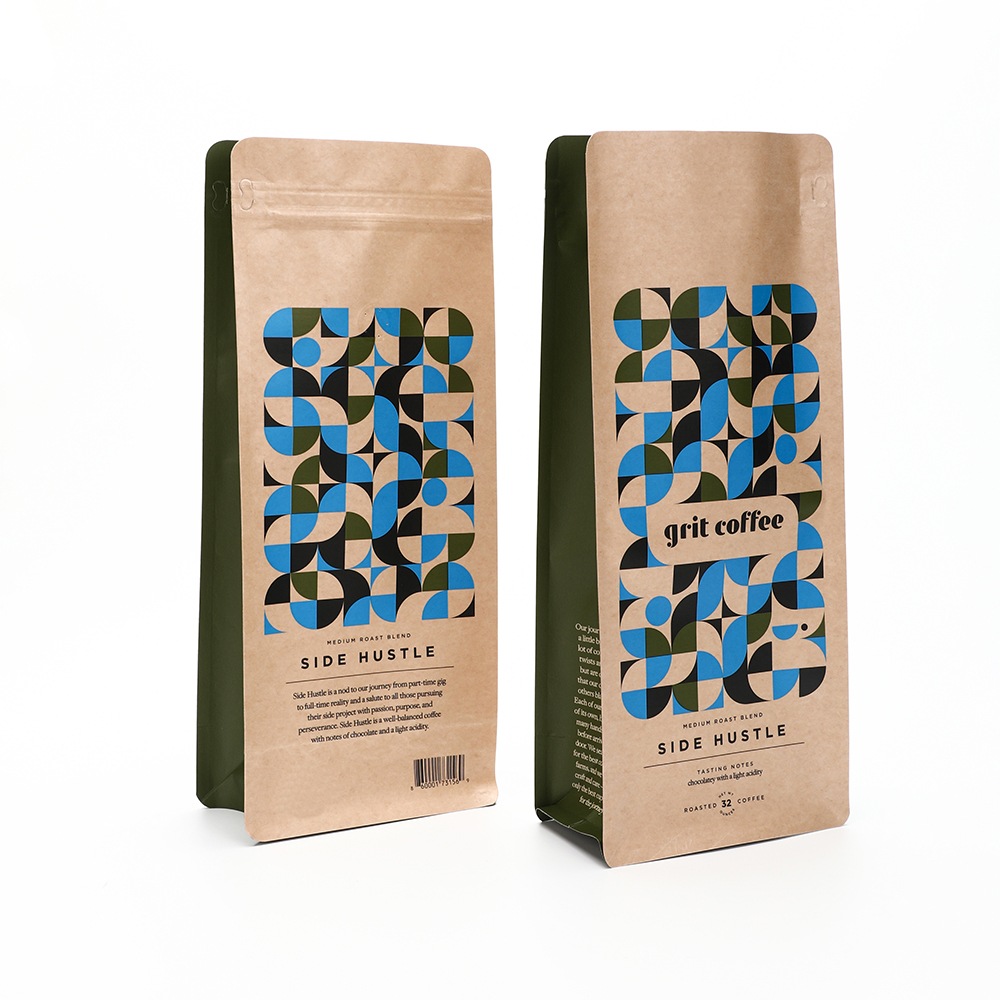
You may find that recycling a kraft paper coffee bag is not always simple. The main barriers to recycling include:
If your bag is pure Kraft Paper, you can recycle it easily. If it has a lining, you need to check local recycling rules. Contaminated or lined bags often end up in landfills.
You want your coffee to stay fresh. Kraft Paper packaging offers moderate protection against oxygen and moisture. This is less effective than plastic or foil, which provide stronger barriers. To improve freshness, manufacturers often add a lining. Common lining materials include BOPP, PET, LDPE, and metallized films. These layers help block air and moisture but reduce the eco-friendliness of the bag.
Note: Flat bottom coffee bags made from Kraft Paper create an artisanal look but may need extra barriers for specialty coffee.
Kraft Paper packaging is cost-efficient. The average cost per unit ranges from $0.20 to $0.70, which is competitive with compostable packaging. Bulk purchasing and long-term supply agreements can lower costs even more. Customization options, such as printing and special finishes, are widely available.
| Packaging Type | Cost per Unit |
|---|---|
| Recycled Kraft Paper Mailers | $0.20 - $0.70 |
| Compostable Poly Mailers | $0.15 - $0.60 |
Pros:
Cons:
You support the environment when you choose compostable coffee bags. These bags use plant-based materials, such as PLA (polylactic acid) and cellulose films, instead of fossil fuels. This switch lowers your carbon footprint and reduces greenhouse gas emissions. When you compost these bags, they break down into nutrient-rich soil. This process helps plants grow and reduces the need for synthetic fertilizers. You help the planet by picking compostable packaging over traditional plastic or foil.
| Material | Description | Impact on Compostability |
|---|---|---|
| PLA (polylactic acid) | Made from fermented plant sugars, used as films | Moderate oxygen barrier, needs other materials for strength |
| Cellulose-based films | Derived from wood pulp, good oxygen barrier when dry | Compostable, but less effective in high humidity |
| Compostable coatings | Bio-based or mineral-based, applied to films | Improve barrier and keep compostability |
| Compostable degassing valves | Bio-based polymers for CO₂ release | Must meet compostability standards, higher cost |
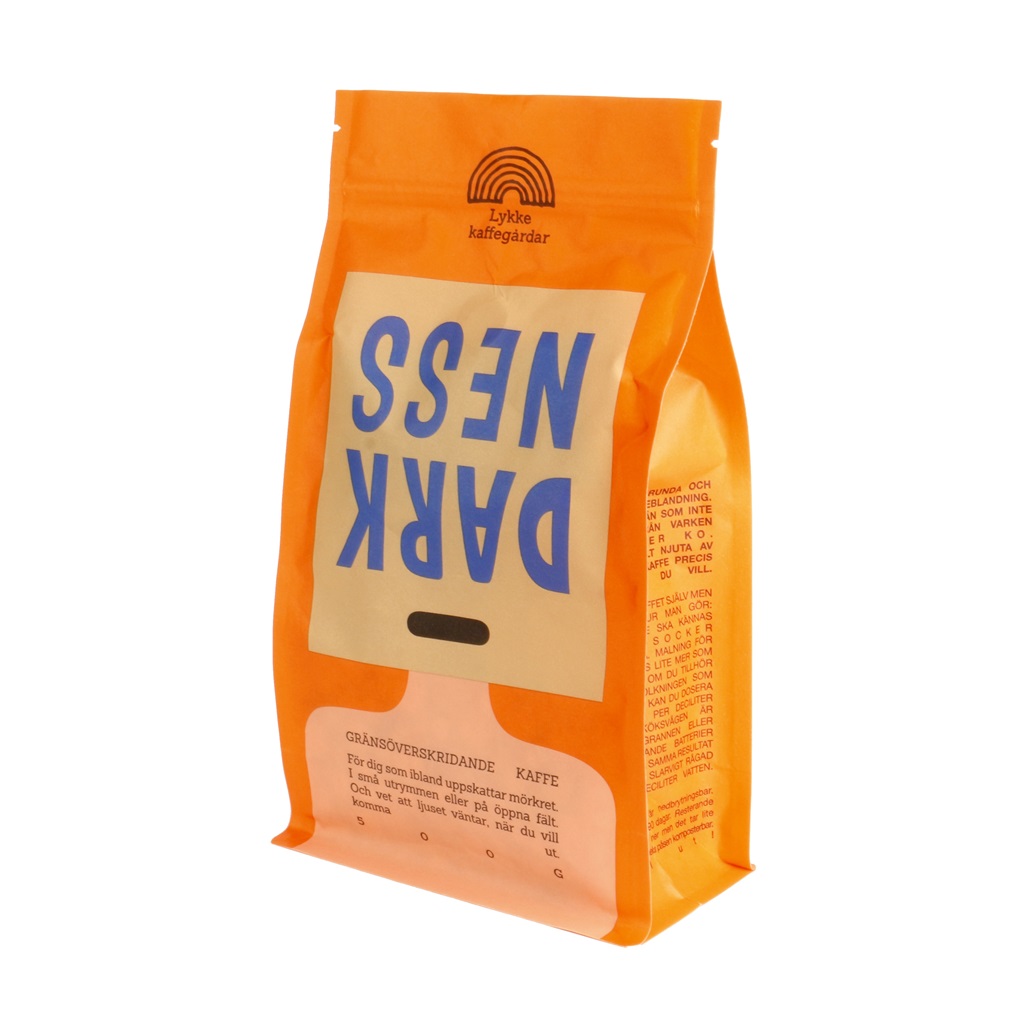
You need to check for certifications before you buy compostable coffee bags. Certified bags meet strict standards for industrial composting. In North America, look for the BPI Certified Compostable logo, which follows ASTM D6400. In Europe, you see the TÜV Austria 'OK compost INDUSTRIAL' mark or the Seedling logo. These marks show that your bag will break down in the right composting facility.
| Region | Standard | Certification Body |
|---|---|---|
| North America | ASTM D6400 | BPI Certified Compostable logo |
| Europe & Global | EN 13432 | TÜV Austria 'OK compost INDUSTRIAL', Seedling logo |
Tip: Always check local composting options before disposal. Not all facilities accept compostable packaging.
You want your coffee to stay fresh. Compostable coffee bags offer moderate protection against oxygen and moisture. PLA films provide a moderate oxygen barrier but do not block moisture as well as foil. Cellulose films work well when dry but lose strength in humidity. If you use a one-way degassing valve, your coffee can stay fresh for over six months. Without a valve, freshness drops after a few weeks. Flat bottom coffee bags made from compostable materials give you a modern look and good shelf life for specialty coffee.
You pay a bit more for compostable coffee bags than for traditional paper packaging. A compostable bag with a compostable valve costs $0.30 to $0.60 per unit, while a foil bag costs $0.20 to $0.40. Despite the higher price, demand is rising. About 78% of consumers value sustainable packaging. Brands invest in research to improve recyclable and compostable packaging options.
Pros:
Cons:
You want to choose packaging that supports the planet. Kraft paper coffee bags and compostable coffee bags both offer eco-friendly benefits, but they differ in important ways. Kraft paper comes from renewable wood pulp and breaks down naturally. You can recycle pure paper packaging, but most kraft paper coffee bags use a lining for freshness, which often makes them non-recyclable. Compostable coffee bags use plant-based materials like PLA and cellulose. These bags break down in industrial composting facilities and can reduce emissions by up to 50% compared to traditional plastic packaging.
| Packaging Type | Pros | Cons |
|---|---|---|
| Kraft Paper Bags | Affordable, recyclable, minimalistic | Needs inner lining for freshness (often non-recyclable) |
| PLA (Plant-Based) Bags | Compostable, U.S.-certified options | Requires industrial composting—few U.S. facilities offer it |
You also need to consider water and energy use. Rice paper, a type of compostable packaging, uses less water and energy than kraft paper. Both materials break down naturally, but you must check if your local composting facility accepts compostable packaging.
Note: Kraft paper is lightweight, which helps lower shipping emissions. Compostable coffee bags are heavier due to multilayer construction, which can increase transport impact.
You want your coffee to stay fresh and protected. Kraft paper coffee bags are known for their durability and high puncture resistance. They can handle the stress of filling, shipping, and storage. A kraft paper bag can survive drop tests and resists tears, making it a reliable choice for protecting your beans. The water vapor and oxygen barrier properties help maintain aroma and freshness, especially when you choose flat bottom coffee bags with extra layers.
Compostable coffee bags also protect your coffee, but their barrier properties depend on the materials used. PLA and cellulose films offer moderate protection against oxygen and moisture. These bags work well for specialty coffee with shorter shelf lives. However, they may not match the mechanical strength of kraft paper, especially for heavy loads or long shipping distances.
You need to balance sustainability with your budget. Kraft paper coffee bags are usually more affordable. Their lightweight design lowers shipping costs. You can find a wide range of prices, especially if you buy in bulk. Compostable coffee bags cost more to produce and ship because of their multilayer construction and specialty materials. This can increase your overall expenses.
| Feature | Kraft Paper | Compostable Coffee Packaging |
|---|---|---|
| Material Type | Eco-friendly paper | Multilayer laminate films |
| Recyclability | Supports recyclability | Not recyclable through standard programs |
| Weight | Lightweight for transport | Heavier due to multilayer construction |
| Freshness Protection | May include inner barrier layers | Strong barrier against oxygen, moisture, light |
| Environmental Impact | Signals sustainability to consumers | Requires specialty disposal methods |
You want your packaging to attract eco-conscious buyers. Many consumers now look for brands that use sustainable materials. Paper packaging and compostable coffee bags both signal your commitment to the environment. Kraft paper coffee bags offer a classic, minimalistic look that appeals to those who value tradition and simplicity. Compostable packaging shows you invest in the latest green technology, which can boost your brand image.
Tip: Sustainable packaging not only reduces waste but also builds brand loyalty. You show customers that you care about the planet, which can set you apart from competitors.
Summary Table: Kraft Paper vs Compostable Coffee Bags
| Feature | Kraft Paper Coffee Bag | Compostable Coffee Bags |
|---|---|---|
| Eco Impact | Renewable, recyclable if unlined | Compostable, lower emissions |
| Freshness & Protection | Strong, durable, moderate barrier | Good barrier, less durable |
| Cost | Lower, cost-effective | Higher, premium pricing |
| Shipping | Lightweight, lower cost | Heavier, higher cost |
| Disposal | Recyclable if unlined, landfill if lined | Needs industrial composting |
| Consumer Appeal | Classic, minimalistic, trusted | Modern, eco-innovative, trendy |
You can use this comparison to match your priorities with the right packaging. If you want lower costs and strong protection, kraft paper coffee bags may fit your needs. If you want to highlight your commitment to sustainability, compostable coffee bags offer a modern solution.
You should pick Kraft Paper when you want a classic look and cost-effective solution. This material works well for small coffee shops or local roasters who need reliable protection and easy customization. If you sell coffee with a quick turnover, a kraft paper coffee bag keeps beans fresh for the short term. You can also choose flat bottom coffee bags made from paper packaging for a premium shelf appearance. When you want to recycle packaging, select unlined Kraft Paper. Brands like Bioflexi offer customizable options that fit many business needs.
You should choose compostable coffee bags if your customers value sustainability and you want to reduce landfill waste. Compostable packaging breaks down in industrial composting facilities, making it a strong choice for eco-conscious brands. If you sell specialty coffee that needs a longer shelf life, compostable coffee bags with advanced barriers help maintain freshness. Bioflexi supplies certified compostable options, including flat bottom coffee bags, that meet strict composting standards. This choice signals your commitment to the environment and appeals to modern consumers.
You need to consider several factors before making your decision:
Tip: Always verify certifications and disposal guidelines before choosing your packaging supplier.
You can contact Bioflexi for expert advice on both kraft paper coffee bag and compostable coffee bags. The right choice depends on your goals, budget, and customer values.
You should choose compostable coffee bags if eco-friendliness is your top priority. Kraft paper coffee bag options work best when you want lower costs and strong product protection. Flat bottom coffee bags give your brand a premium look with either material. Always check if your area supports compostable packaging or paper packaging disposal. For more guidance, contact suppliers or visit sustainability resources before making your final decision.
Compostable coffee bags use plant-based materials that break down in industrial composting. Regular paper packaging may contain plastic linings. You help the environment more with compostable packaging because it reduces landfill waste.
You cannot recycle most kraft paper coffee bags with plastic linings in curbside programs. The mixed materials make separation difficult. Always check local recycling guidelines before disposal.
Flat bottom coffee bags stand upright and seal tightly. You get better freshness because these bags reduce air exposure. Many specialty roasters choose this shape for both protection and shelf appeal.
Look for certification logos like BPI, TÜV Austria, or the Seedling mark. These symbols show that your compostable packaging meets strict composting standards. Always check the packaging for these marks before buying.
You usually pay more for compostable packaging. The advanced materials and certifications increase costs. Paper packaging, especially unlined, remains the most budget-friendly choice for many coffee brands.
lf you would like to work with us or just want to get intouch, we'd love to hear from you!

Copyright @ 2026 Shanghai BioPouches Co., Ltd All Rights Reserved. Network Supported
leave a message