



You face a clear choice when considering sustainability: Paper Pouch breaks down in as little as two to six weeks under warm, moist, oxygen-rich conditions, while plastic bags can persist for up to 20 years. However, paper production consumes over three times more energy and water than plastic, and generates significant air and water pollution. The table below highlights the stark differences in decomposition rates:
|
Material |
Decomposition Timeframe |
Ideal Conditions |
|---|---|---|
|
Paper Bags |
Two to six weeks |
Warm, moist, oxygen-rich |
|
|
Three months and up |
Dry landfill conditions |
|
Plastic Bags |
20 years |
Industrial-grade facilities |
Key Takeaways
-
Paper pouches decompose quickly, but their production is resource-intensive, using four times more energy and water than plastic.
-
Plastic pouches are lightweight and durable, leading to lower transportation emissions, but they persist in the environment for decades.
-
Recycling options vary: plain kraft paper pouches are recyclable, while many plastic pouches are not, complicating waste management.
-
Choosing reusable bags can significantly reduce waste and support a more sustainable lifestyle, combining the benefits of both materials.
-
Understanding local recycling guidelines is crucial for making informed decisions about pouch disposal and minimizing environmental impact.
Paper Pouch vs Plastic Pouch: Production Impact
Energy and Resource Use
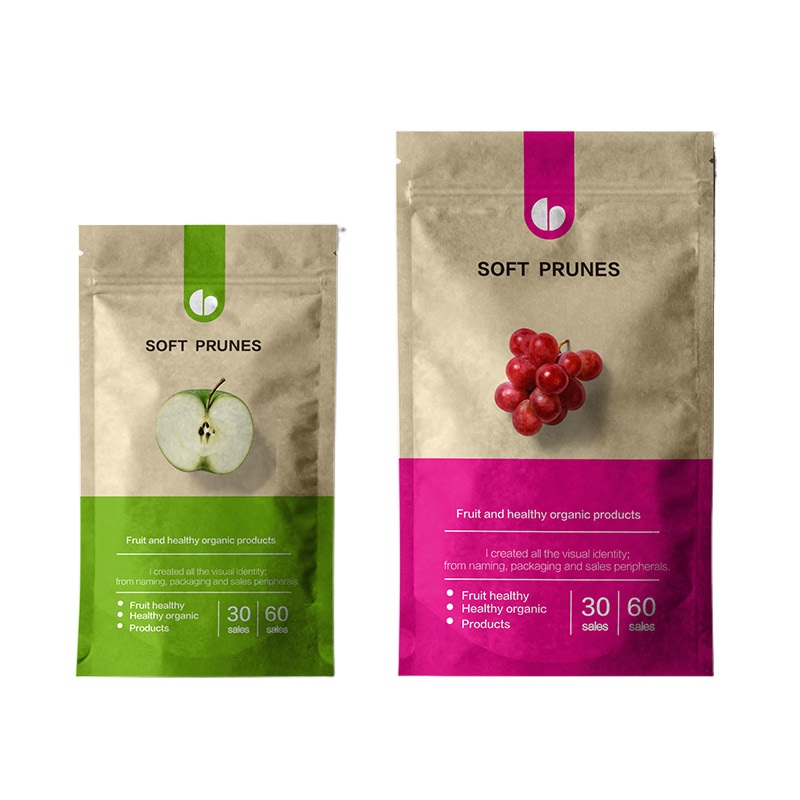
When you compare the energy and resource demands of a paper pouch and a plastic pouch, the differences stand out. Manufacturing a paper pouch consumes about four times more energy than producing a plastic pouch. The paper industry ranks as the world’s fifth largest consumer of energy. You might think that using trees for paper pouches is better because trees are renewable, but the process requires the felling of millions of trees, which affects biodiversity. In contrast, plastic pouches come from fossil fuels, which are non-renewable. However, plastic pouches are lighter and require less material, making them more efficient in terms of raw material use. Many paper pouches also need extra coatings or plastic linings, which can reduce their environmental benefits and complicate recycling.
-
Paper pouches: made from trees, renewable but resource-intensive
-
Plastic pouches: made from fossil fuels, non-renewable but lightweight
Carbon Footprint
You might expect paper bags to have a lower carbon footprint, but the numbers tell a different story. Producing a paper pouch results in about 5.52 kg of CO2 emissions, while a plastic pouch produces only 1.58 kg. The energy-intensive process for paper bags increases their carbon footprint. The table below summarizes the emissions:
|
Material |
Carbon Emissions (kg CO2e) |
|---|---|
|
Paper Pouch |
5.52 |
|
Plastic Pouch |
1.58 |
Plastic bags are lighter and more durable, which means less energy is needed for both production and transportation.
Water Consumption
Water use is another area where the paper pouch falls short. Producing paper bags requires about four times more water than making plastic bags. For every kilogram of pulpwood used in paper production, about 300 liters of water are consumed. The chemicals used in paper manufacturing also contribute to water pollution, making the environmental impact even greater. Plastic pouches use less water during production, but they still rely on petroleum-based chemicals.
Note: Paper production is responsible for 70% more air pollution and 50 times more water pollution than plastic bag production.
Usage and Durability
Everyday Strength
You want your pouch to handle daily demands. Paper pouches offer decent strength for light to medium loads, but they can tear easily, especially when wet. Plastic pouches outperform paper in most everyday situations. They resist tearing, hold more weight, and stay intact even under pressure. The table below highlights these differences:
|
Feature |
Paper Pouches |
Plastic Pouches |
|---|---|---|
|
Strength |
Strong for light to medium items |
Generally stronger, holds more weight |
|
Resistance to Tearing |
Can tear easily, especially when wet |
More resistant to tearing, less likely to break under pressure |
|
Weight Capacity |
Limited, may require reinforcement |
Higher capacity, flexible, and water-resistant |
However, modern engineering has bridged this gap. Companies like Bioflexi offer high-performance paper pouches integrated with eco-friendly barrier coatings. These innovations allow brands to enjoy the organic feel of paper without sacrificing the shelf-life or moisture protection typically associated with plastic.
Transport Efficiency
Transporting pouches affects both cost and environmental impact. Plastic pouches weigh much less than paper, making them easier to stack and ship. You can fit more plastic pouches in a single truck, which reduces fuel use and emissions. Paper pouches weigh five to seven times more than plastic, so they require more trucks and increase transportation costs. Businesses often choose plastic for bulk shipments because of its compact design and lower expenses.
-
Plastic pouches are lightweight and compact, reducing shipping costs and carbon emissions.
-
Paper pouches are heavier and bulkier, leading to higher transportation costs and more emissions.
-
Flexible plastic packaging uses less material for the same function, while heavier paper packaging may offset its environmental benefits.
If you use reusable shopping bags, you help reduce the number of single-use pouches in circulation, which benefits both your wallet and the environment.
Product Suitability
Choosing the right pouch depends on what you need to carry. Paper pouches work well for dry, lightweight items that do not need moisture protection. Coated paper can resist some moisture, but it may still require an inner liner for food safety. Plastic pouches excel at protecting moisture-sensitive products like food and pharmaceuticals. They offer high resistance to moisture, oxygen, and light, making them ideal for perishable goods.
|
Material Type |
Moisture Sensitivity |
Strength |
Suitable Products |
|---|---|---|---|
|
Paper Pouches |
Not ideal |
Lightweight |
Non-moisture sensitive items |
|
Plastic Pouches |
Ideal |
High |
Moisture-sensitive products like food, pharmaceuticals |
You should consider reusable bags for most shopping needs. These bags combine the best features of both materials, offering strength, durability, and reduced waste. By choosing reusable bags, you support a more sustainable lifestyle and minimize your environmental footprint.
End-of-Life and Disposal
Recycling and Waste Management
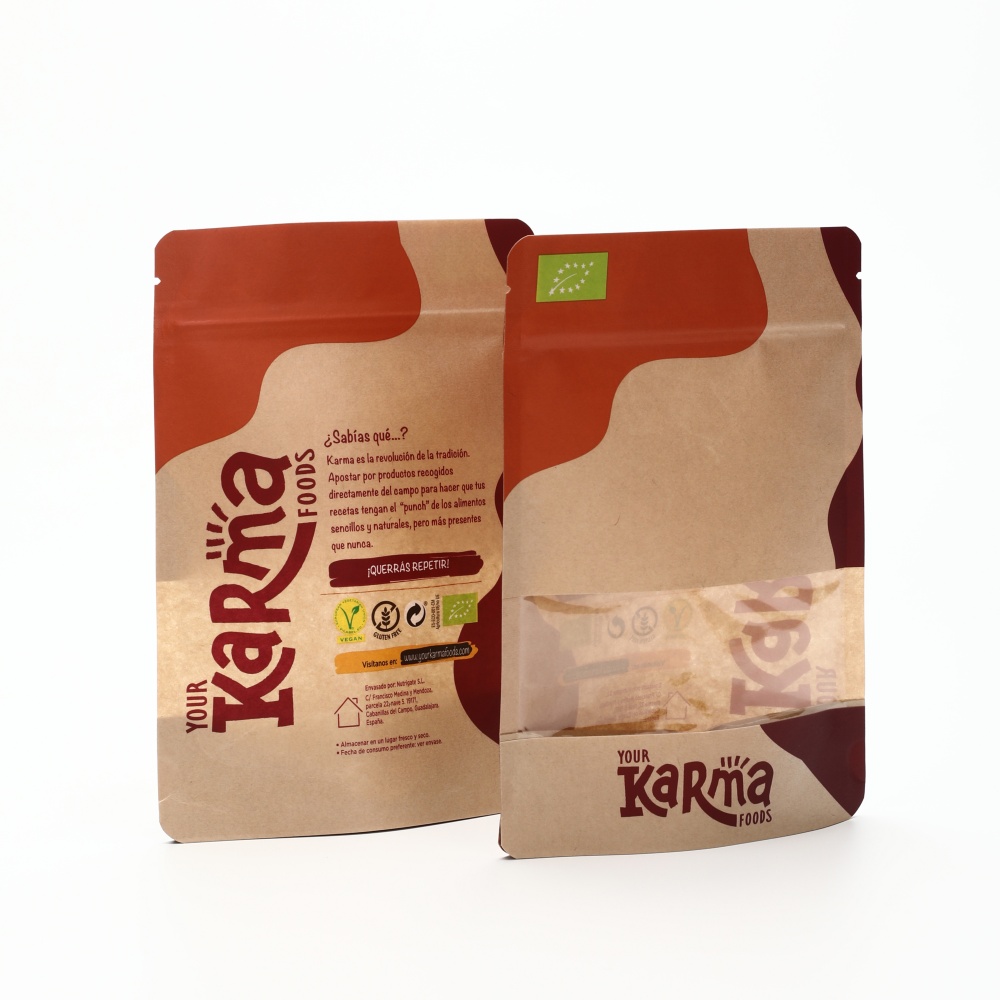
You play a crucial role in the recycling process. Plain kraft paper pouches can enter your local recycling stream, but laminated or rice paper pouches often end up in the trash. Many paper pouches contain plastic layers, which complicates recycling and reduces their environmental benefits. Plastic pouches, especially those made from a single material, offer better recycling outcomes. Compostable pouches require specific facilities and conditions, making proper disposal challenging. You should check local guidelines before placing any pouch in a recycling bin.
-
Plain kraft paper pouches: suitable for recycling.
-
Certified compostable kraft pouches: compost if facilities accept them.
-
Laminated kraft and rice paper pouches: dispose in trash.
-
Mono-material plastic pouches: designed for improved recycling.
Biodegradability
You may prefer biodegradable options for environmental reasons. Plain paper pouches break down quickly in compost piles, making them a biodegradable choice. Laminated paper pouches need special composting if they use PLA, while rice paper pouches rarely compost due to plastic or foil layers. Plastic pouches do not qualify as biodegradable and persist for decades. Composting facilities handle paper pouches more efficiently than plastic, but only if the pouch contains no synthetic layers.
|
Pouch Type |
Biodegradable |
Compostable |
Disposal Method |
|---|---|---|---|
|
Plain kraft paper pouch |
Yes |
Yes |
Compost or recycle |
|
Laminated kraft paper |
Sometimes |
Sometimes |
Special composting/trash |
|
Rice paper pouch |
No |
No |
Trash |
|
Plastic pouch |
No |
No |
Recycle or trash |
Tip: The key to sustainable plastic lies in material science. Bioflexi’s range of sustainable pouches includes options like PCR (Post-Consumer Recycled) content and fully compostable bioplastics. This ensures that businesses requiring the high-barrier properties of plastic can still meet stringent ESG goals and support a circular economy.
Pollution Risks
You must consider pollution risks when disposing of pouches. Paper bags contribute to 70% more air pollution than plastic bags. Paper production uses 50 times more water, increasing environmental pollution. Improper disposal of plastic pouches leads to marine pollution, as lightweight plastics escape garbage bins and enter oceans. Microplastics form during degradation, threatening marine life and human health. Fish ingest microplastics, which then enter the food chain. Studies show that the percentage of fish containing plastic has risen from 15% to 33%. Microplastics contaminate soil and water, and scientists have found them in human blood, placenta, and breast milk. Plastic packaging in landfills wastes resources and energy, while the culture of disposal fosters a lack of awareness about pollution and environmental impact.
-
Paper pouches: higher air and water pollution during production.
-
Plastic pouches: marine pollution, microplastics, and health risks.
-
Both types: improper disposal increases pollution and environmental harm.
Overall Sustainability Comparison
Real-World Trade-Offs
You face complex trade-offs when choosing between paper and plastic pouches. The life cycle of each type of bag reveals that neither option is perfect for the environment. Paper pouches come from renewable resources and break down quickly, but their production demands significant energy and water. Plastic pouches use less energy and water during manufacturing, yet they persist for decades and contribute to the disturbing effects of plastic pollution.
A life cycle analysis shows that the environmental impact of both materials depends on local infrastructure and how you dispose of them. For example, paper-based flexible packaging works well where recycling systems exist. Compostable materials only benefit the environment if industrial composting facilities are available. Recyclable mono-material plastics fit current recycling systems, but they require clean collection and sorting.
|
Key Insights |
Description |
|---|---|
|
Paper Potential |
Paper-based flexible packaging can be effective where recycling systems exist. |
|
Design Importance |
The design of the packaging affects its recyclability and overall sustainability. |
|
Context Matters |
The effectiveness of packaging solutions varies based on local conditions, such as infrastructure and climate. |
Note: The effectiveness of your choice depends on your local recycling process and waste management systems.
You should also consider the environmental costs of transportation. Plastic pouches weigh less, so they reduce emissions during shipping. Paper pouches, while biodegradable, require more trucks and fuel due to their weight.
Pros and Cons
You need to weigh the pros and cons of each pouch type based on their environmental impact and life cycle. Here is a summary to help you compare:
-
Paper Pouches
-
Pros:
-
Made from renewable resources.
-
Biodegradable and recyclable.
-
Lower environmental impact when littered.
-
-
Cons:
-
Production is energy- and water-intensive.
-
Higher greenhouse gas emissions.
-
Less durable and prone to tearing.
-
More expensive to produce.
-
-
-
Plastic Pouches
-
Pros:
-
Lower energy and water use during production.
-
Durable and lightweight.
-
Lower transportation emissions.
-
Cost-effective.
-
-
Cons:
-
Made from non-renewable fossil fuels.
-
Non-biodegradable, causing long-term environmental problem.
-
Contributes to marine pollution and microplastics.
-
Difficult to recycle if not mono-material.
-
-
A life cycle analysis highlights that paper bags require more natural resources, such as trees and water, while plastic bags rely on fossil fuels. Both types are often used for short periods, but their environmental impact varies based on how many times you reuse them and how you dispose of them. Reusing either bag reduces environmental costs, but single-use plastic bags create more waste and pollution.
|
Material |
Production Resource Consumption |
Decomposition Timeframe |
|---|---|---|
|
Paper Bags |
Requires roughly four times more water |
Decomposes in two to six weeks |
|
Plastic Bags |
Requires significant oil and energy |
Takes around 20 years |
Tip: Reuse your bags whenever possible to minimize environmental impact.
Consumer Choices
You play a vital role in shaping the future of packaging. Your perception of sustainability and environmental impact influences your decisions. Many consumers now view paper as a high-value, environmentally friendly choice. This perception grows stronger as environmental awareness and government regulations increase. You may prefer paper pouches because they seem biodegradable and recyclable, but confusion about what makes packaging sustainable can affect your choices.
A recent study found that packaging with clear sustainability claims, especially paper, engages consumers more than plastic. You may also consider product quality, convenience, and trust in the packaging material. For example, consumers often rate glass jars higher than plastic pouches for convenience and sustainability, but paper pouches still hold strong appeal due to their environmental image.
-
Consumers favor paper for its environmentally friendly reputation.
-
Environmental awareness and regulations drive the shift toward sustainable packaging.
-
Confusion about sustainability can lead to poor purchasing decisions.
-
Brands should educate you about the true environmental impact and life cycle of packaging.
You should always check local recycling guidelines and look for certified labels. By understanding the lifecycle and environmental impact of each pouch, you can make informed decisions that support sustainability and protect the environment.
You face a clear choice when considering sustainability. Paper pouches decompose in weeks and reach a recycling rate of up to 64%, while plastic pouches can last 20 years and have a recycling rate below 10%.
|
Aspect |
Paper Pouches |
Plastic Pouches |
|---|---|---|
|
Decomposition Timeframe |
Two to six weeks |
20 years |
|
Recycling Rate |
Up to 64% |
Less than 10% |
To make the best decision:
-
Recycle plain kraft paper pouches.
-
Compost certified compostable kraft pouches.
-
Trash laminated or rice paper pouches.
-
Always check for recycling symbols.
You should consider the full lifecycle of each pouch. While plastic pouches use fewer resources and lower emissions, paper pouches break down faster but require more water. Your local recycling options and disposal practices will shape the true environmental impact.
Choosing between paper and plastic isn't about finding a perfect material, but finding the right partner to customize the solution. Whether you lean toward the recyclability of paper or the versatility of compostable plastics, Bioflexi provides expert consultation and tailored packaging designs to help your brand transition to a greener future seamlessly.
FAQ
What makes a pouch sustainable?
You should look for renewable materials, low energy and water use, and easy recycling or composting. A sustainable pouch minimizes pollution and waste. It also fits your local recycling or composting system.
Can you recycle all paper and plastic pouches?
You cannot recycle every pouch. Plain kraft paper and mono-material plastic pouches recycle easily. Laminated or coated pouches often go to landfill. Always check local recycling guidelines before disposal.
Which pouch is better for food storage?
You should choose plastic pouches for moisture-sensitive foods. They provide better protection against air and water. Paper pouches work for dry goods but may need a liner for freshness.
How can you reduce your pouch waste?
You can reuse pouches when possible. Choose reusable bags for shopping. Recycle or compost pouches according to local rules. Look for certified sustainable packaging.
Do compostable pouches break down at home?
Most compostable pouches need industrial composting facilities. Home compost bins may not reach the right temperature. Check for certification and facility access before composting.

 Network Supported