

Author
Marie R. Winters


You need the Right Barrier Layer to protect your food products and extend their shelf life. More than 25% of residential food waste results from flaws in packaging design, including spoilage caused by inadequate barriers. When you select a barrier layer that blocks gases, moisture, and odors, you preserve freshness and reinforce your brand’s reputation. BioPouches offers flexible, sustainable, and customizable packaging solutions that help you meet quality standards and demonstrate environmental responsibility.
Choosing the correct barrier layer shapes consumer satisfaction and supports your brand value.
Barrier selection influences shelf life, product safety, and sustainability.
Select the right barrier layer to protect food from spoilage and extend shelf life.
Evaluate your product's sensitivity to oxygen, moisture, light, and odors before choosing a barrier.
Consider storage and distribution conditions to ensure your packaging maintains its protective qualities.
Balance performance, sustainability, and cost when selecting barrier materials for your packaging.
Consult with packaging experts to customize solutions that meet your product's unique needs.
Barrier packaging uses specialized layers to protect food products from external factors that can cause spoilage or quality loss. You rely on these layers to keep your products fresh, safe, and appealing from the moment they leave your facility until they reach your customers. Barrier packaging acts as a shield, blocking out elements like oxygen, moisture, light, and unwanted odors.
Each barrier layer serves a specific purpose in food packaging. The right combination of these layers ensures your product stays in optimal condition. Here is a quick overview of the main barrier types and their functions:
|
Barrier Type |
Function |
|---|---|
|
Oxygen Barrier |
Prevents oxygen from entering, preserving food freshness. |
|
Moisture Barrier |
Blocks moisture, essential for dry items and humidity-sensitive products. |
|
Light Barrier |
Protects contents from light exposure, preventing degradation. |
|
Odor Barrier |
Prevents odors from escaping and protects contents from external odors. |
You can see how each barrier type targets a specific threat to food quality. For example, a moisture barrier is crucial for snacks like chips or granola, while an oxygen barrier is vital for products prone to oxidation, such as nuts or coffee.
Tip: Assess your product’s unique needs before choosing a barrier layer. Not all foods require the same level of protection.
Barrier packaging does more than just protect your food. It supports your brand’s reputation and helps you deliver consistent quality to your customers. When you use the right barrier layers, you gain several advantages:
|
Advantage |
Description |
|---|---|
|
Extended shelf life |
Protection against oxygen and moisture slows down oxidation and microbiological processes. |
|
Aroma protection |
Flavors and odors are retained in the product. |
|
Product safety |
Protection against contamination and external influences. |
|
Consistent product quality |
The product remains stable from filling to opening. |
You want your products to arrive fresh and safe, no matter where they travel. Barrier packaging helps you achieve this goal. It also reduces food waste and supports your commitment to quality, which strengthens your brand in a competitive market.
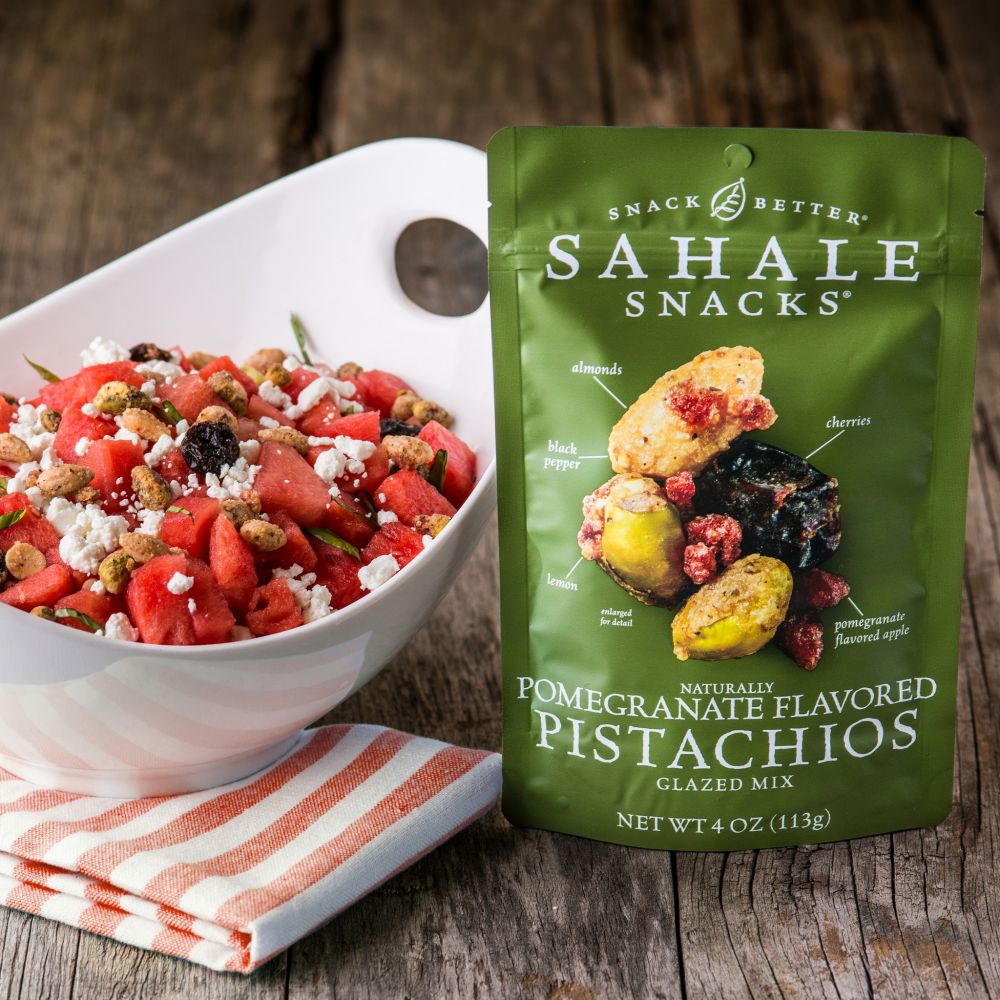
You need effective barriers to protect your food products from spoilage and quality loss. Oxygen, moisture, light, and odor barriers each play a unique role in flexible packaging. You can see their effectiveness in the table below:
|
Barrier Type |
Effectiveness |
Food Products Examples |
|---|---|---|
|
Oxygen Barrier |
Preserves freshness by blocking oxygen |
Coffee, snacks |
|
Moisture Barrier |
Prevents moisture entry, maintaining texture |
Dried fruits, cereals |
|
Light Barrier |
Protects from light degradation |
Oils, sensitive spices |
|
Odor Barrier |
Keeps external odors from affecting flavor |
Cheese, meats |
Gas barriers prevent contact with harmful gases and odors. You rely on these barriers to maintain product quality by blocking oxygen, carbon dioxide, and moisture. They are crucial for a wide range of foods, ensuring safety and flavor preservation.
You have several material options for flexible packaging. Each material offers distinct barrier properties and suits different application scenarios:
PET provides a good oxygen barrier but is less effective against moisture compared to HDPE.
HDPE offers a better moisture barrier than PET.
EVOH delivers high-barrier performance for oxygen and aroma but needs a moisture barrier layer to stay effective in humid conditions.
PE is less effective than PET for oxygen but excels at blocking moisture.
Nylon is known for strong barrier properties and mechanical strength.
Metallized materials, such as metallized PET or metallized film layers, enhance high-barrier performance. You often use these for snacks, coffee, pet food, and powder foods. High-barrier films dominate the market, holding 43.70% of the barrier type category. By 2025, high-barrier film layers are projected to account for 50.2% of market share, driven by demand for ready-to-eat meals.
Multi-layer laminations combine materials to boost barrier properties. You benefit from enhanced protection, improved mechanical integrity, and tailored functionality for versatile food applications. For example, you can use multi-layer flexible packaging for food preservation, convenience packaging, and products requiring specific barrier needs.
Tip: Choose the right combination of materials and barrier layers to match your product’s sensitivity and shelf life requirements.
Selecting the right barrier layer for your food packaging is a critical decision that directly impacts product protection, shelf life, and brand reputation. You can follow a clear, step-by-step process to ensure your packaging meets the unique needs of your products and your business goals.
Start by evaluating how sensitive your food product is to oxygen, moisture, light, and odors. Each of these factors can affect the shelf life and quality of your product. Oxygen exposure can cause fats to turn rancid and proteins to discolor. Moisture can make dry foods stale or cause wet foods to lose their texture. Light can degrade nutrients and change flavors. You need to match the right barrier layer to your product’s specific vulnerabilities.
Shelf life requirements vary by product type. Use the table below to identify the level of protection you need:
|
Shelf Life Category |
Barrier Properties Required |
|---|---|
|
Short Shelf Life (1-3 months) |
Basic barrier properties may suffice |
|
Medium Shelf Life (3-12 months) |
Moderate barrier requirements, possible oxygen scavengers |
|
Long Shelf Life (12+ months) |
High barrier materials, possible MAP technology |
If you produce shelf-stable foods, you need a high-performance barrier layer to maintain freshness over extended periods. For products with a shorter shelf life, a basic barrier may be enough. Always consider the shelf life requirements for your specific product.
Storage and distribution conditions play a major role in barrier performance. Temperature and humidity can change how well your packaging protects your product. For example, high humidity increases water vapor and oxygen permeability, which can shorten shelf life. If your products travel through different climates or spend time in warehouses, you need to select a barrier layer that maintains integrity under those conditions.
Common challenges during storage and transport include excess moisture, temperature swings, and exposure to sunlight. These factors can lead to microbial growth, nutrient loss, and discoloration. Effective barrier packaging, such as an evoh film or ethylene vinyl alcohol layer, can help reduce spoilage by blocking these threats. For shelf-stable products, robust packaging ensures your food arrives in optimal condition.
You must balance the need for performance, sustainability, and cost when choosing the right barrier layer. High-performance materials like aluminum foil or evoh film offer excellent protection but may come at a higher price. The table below compares common materials and their cost levels:
|
Material |
Cost Level |
|---|---|
|
PE |
$ |
|
PP |
$$ |
|
PET |
$$-$$$ |
|
Aluminum Foil |
$$$ |
Barrier films often cost more due to advanced technologies and specialized materials. However, sustainable options are now available that reduce environmental impact without sacrificing performance. Materials like bio-based coatings, mono-material structures, and high-barrier films made from PLA or PHA are recyclable or biodegradable. Ethylene vinyl alcohol and evoh film stand out for their low energy demand and reduced greenhouse gas emissions compared to traditional plastics. Choosing these materials supports your environmental goals and appeals to eco-conscious consumers.
Customization allows you to tailor your packaging to your product’s needs and your brand’s identity. You can choose features such as resealable zippers, custom windows, and multi-layer barrier protection. These options not only enhance product protection but also help your brand stand out on the shelf. Custom designs with high-resolution graphics and unique shapes create a strong visual impact and attract customer attention.
BioPouches offers flexible packaging solutions that combine advanced barrier layers, sustainable materials, and a wide range of customization options. Our team helps you select the right barrier layer for your product, ensuring compliance with food safety and environmental standards. Certifications like BRC, ISO, BPI, GRS, and DIN demonstrate our commitment to quality and sustainability.
Tip: Consult with packaging experts to ensure your packaging meets all regulatory requirements and performs well under real-world conditions.
Use this checklist to guide your selection process:
Assess product sensitivity to oxygen, moisture, and light.
Define shelf life requirements for your product.
Evaluate storage and distribution conditions.
Compare barrier materials for performance, sustainability, and cost.
Test seal integrity and functional features like zippers.
Review regulatory and labeling requirements.
Inspect base materials for defects and consistent thickness.
Test packaging strength under handling and shipping conditions.
Confirm that all packaging elements meet your quality benchmarks.
By following these steps, you can confidently choose the right barrier layer for your food packaging. Customization and expert support from BioPouches ensure your products remain fresh, safe, and shelf-stable, while also supporting your sustainability goals and brand value.
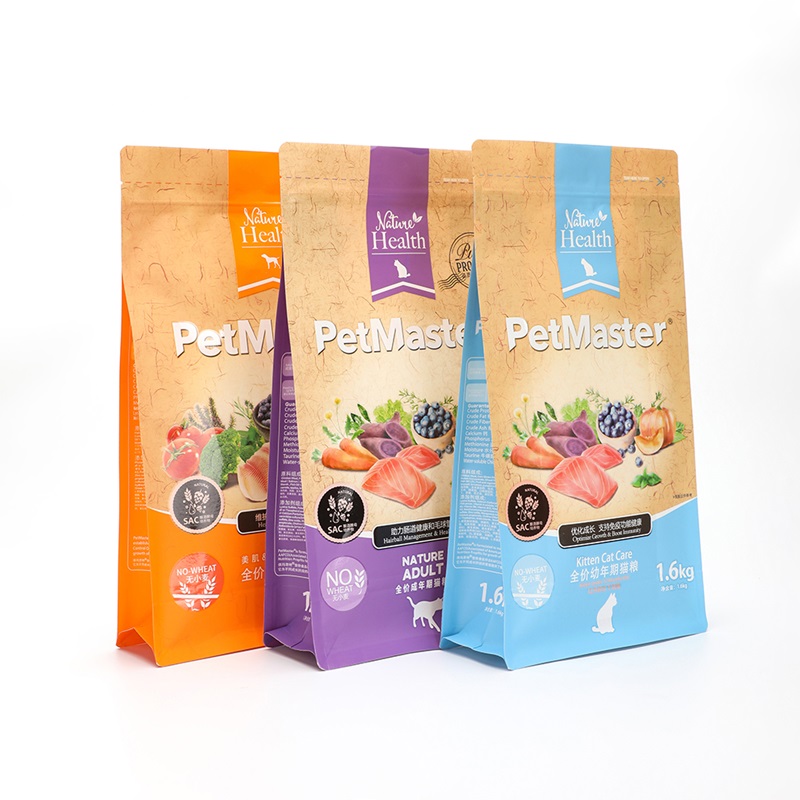
When you evaluate barrier packaging suppliers, you need to ask the right questions to ensure your food packaging meets industry standards and protects your products. Start by confirming which industries and product categories the supplier specializes in. Request samples and technical data sheets to review the performance of their barrier packaging. Ask if they conduct migration tests on their materials, which is essential for food safety. You should also inquire about minimum order quantities for different print methods and whether they offer sustainable or recyclable options. Certifications matter—check if their facility holds recognized certifications and ask how they manage quality assurance and traceability. Lead time for repeat orders is another important factor. Your packaging must protect your product throughout the supply chain, handling temperature changes and potential damage during transport. Make sure you understand all regulations that apply to your food packaging, such as FDA or EU requirements.
What industries and product categories do you specialize in?
Can you provide samples and technical data sheets?
Do you have migration tests for your materials?
What are your MOQs for different print methods?
Do you offer sustainable or recyclable options?
What certifications does your production facility hold?
How do you manage quality assurance and traceability?
What is the average lead time for repeat orders?
You can avoid common mistakes by staying informed and proactive. Do not overlook regulatory compliance for food packaging. Failing to check for proper certifications can lead to costly recalls. Avoid choosing barrier packaging based only on price, as low-cost options may not provide the protection your product needs. Do not ignore the importance of testing packaging under real-world conditions. Skipping this step can result in damaged goods and lost sales. Always consider the entire supply chain, from production to the consumer’s hands.
Tip: Consulting with packaging experts helps you align your packaging design with consumer behavior and ensures your barrier packaging performs well in real-world conditions.
You can set your brand apart by choosing custom features for your barrier packaging. Unique structures and custom printing help your products stand out on the shelf. Special films, such as BOPP matte film, Soft Touch BOPP Film, or PET Holographic Film, create tactile and visual effects that boost brand recognition. Sustainable materials and innovative technologies also enhance your brand image. Tailored barrier packaging solutions offer stronger protection, improved freshness, and better food safety. They also support recycling and lower your carbon footprint.
Note: Effective barrier packaging reassures consumers about product quality and safety, which builds trust and loyalty.
Choosing the right barrier layer for your food packaging protects your products, extends shelf life, and strengthens your brand image. You benefit from packaging that shields against moisture, oxygen, and contaminants, helping your food stay fresh and safe.
Barrier packaging uses multiple layers to block moisture and oxygen, keeping products crisp and flavorful.
High-quality packaging supports customer satisfaction and repeat purchases, while also building trust in your brand.
Consult BioPouches for expert guidance and sustainable, custom packaging solutions. Investing in advanced barrier packaging helps your products succeed in the marketplace and supports long-term brand loyalty.
You choose evoh for its outstanding oxygen barrier properties. This material helps keep food fresh by blocking oxygen transfer. Many food brands rely on evoh to extend shelf life and maintain product quality, especially for sensitive items like snacks, coffee, and ready-to-eat meals.
Evoh stands out because it offers high protection against gases. You often see evoh layered with other films to boost food safety. Unlike some plastics, evoh maintains its barrier even in thin layers, making it ideal for flexible food packaging solutions.
You can achieve sustainability with evoh because it works well in multi-layer structures that use less material. Many food companies select evoh to reduce waste and support recycling. Evoh also helps lower the carbon footprint of food packaging by extending shelf life.
You need barrier packaging to protect food from moisture, oxygen, and contaminants. Evoh plays a key role in this process. By using the right barrier, you keep food safe, prevent spoilage, and deliver consistent quality to your customers.
You should assess your food’s sensitivity to oxygen and shelf life needs. Evoh works best for foods that require strong protection, such as dried goods, snacks, and perishable items. Consult with packaging experts to match evoh to your food’s unique requirements.
lf you would like to work with us or just want to get intouch, we'd love to hear from you!

Copyright @ 2026 Shanghai BioPouches Co., Ltd All Rights Reserved. Network Supported
leave a message