

Author
Marie R. Winters


You want to know which Eco-Friendly Coffee Bags work best for specialty roasters. Sustainable packaging matters more than ever for your brand and your customers. Many coffee drinkers now seek out brands using compostable, biodegradable, or recyclable bags. Nearly half of consumers consider sustainable packaging important, and 80% say they would pay more for it. Choosing the right bag helps you reduce your environmental impact and strengthens your reputation in a competitive market.
Choose compostable bags to reduce plastic waste and enhance your brand's eco-friendly image. Look for certifications like BPI to ensure proper breakdown.
Educate customers on the differences between biodegradable and compostable bags. This helps them understand proper disposal methods and the environmental impact.
Select recyclable bags based on local recycling capabilities. Ensure the materials meet local standards to maximize their sustainability benefits.
Consider reusable bags as a long-term investment. They reduce waste and can serve as a branding tool, increasing customer loyalty.
Communicate clearly with customers about disposal options. Include instructions on your packaging to support their efforts in sustainability.
Choosing the right material for your coffee packaging is essential for both sustainability and product quality. You have several eco-friendly options, each with unique benefits and considerations. Understanding these materials helps you make informed decisions that align with your brand’s values and your customers’ expectations.
Compostable bags offer one of the most sustainable solutions for specialty roasters. These bags break down into non-toxic organic matter, enriching the soil when processed in industrial composting facilities. Common materials include PLA (polylactic acid), which comes from renewable sources like corn starch or sugarcane, and rice paper, which provides a lightweight and visually appealing option for products with a shorter shelf life. Kraft paper, often combined with plant-based liners, also supports compostability and branding.
A leading example of compostable packaging uses 100% plant-based materials and features a high barrier to oxygen and moisture. This type of bag keeps your coffee fresh while reducing plastic waste. Look for certifications such as BPI, which ensure the bag meets strict compostability standards. For instance, certified compostable coffee bags must disintegrate into small pieces within 12 weeks and biodegrade at least 90% into water, CO₂, and biomass within six months in an industrial composter. These certifications guarantee that your packaging is safe for the environment and your customers.
Tip: Compostable bags require specific composting conditions to break down efficiently. Encourage your customers to dispose of them properly for the best environmental results.
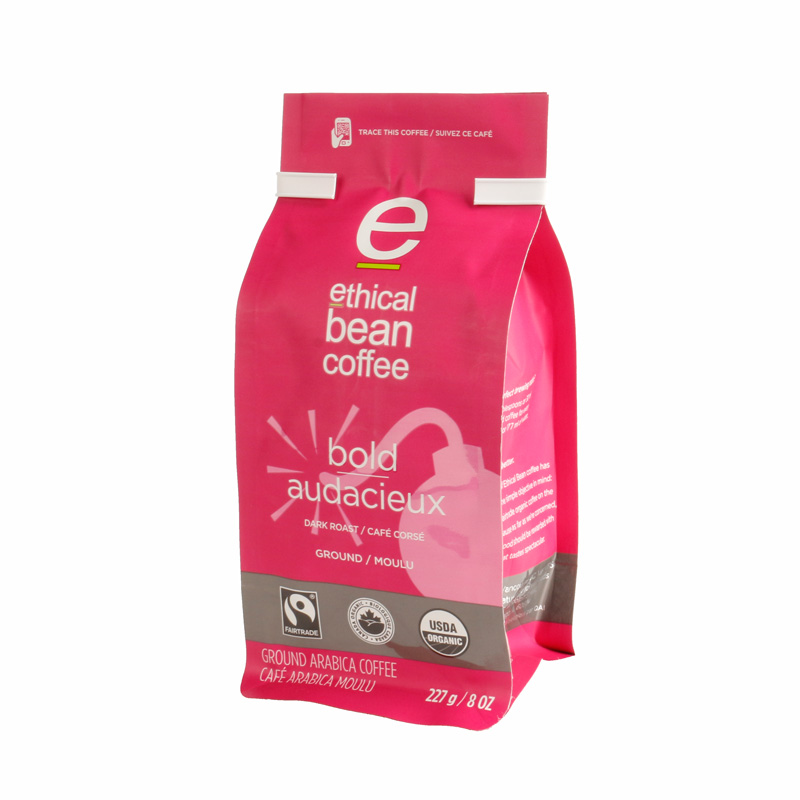
Biodegradable bags also aim to reduce environmental impact, but they differ from compostable bags in important ways. While compostable bags turn into nutrient-rich compost under the right conditions, biodegradable bags simply break down through natural processes. The timeline for this process varies widely and often lacks regulation. Some biodegradable materials can take hundreds of years to decompose in landfills and may leave behind microplastics.
Materials used in biodegradable bags include certain bio-plastics and cellulose-based films. Unlike compostable bags, biodegradable options do not always require certification, which can make it harder to verify their environmental safety. If you choose biodegradable bags, educate your customers about proper disposal and the differences between biodegradable and compostable products.
|
Feature |
Biodegradable |
Compostable (Industrial) |
Compostable (Home) |
|---|---|---|---|
|
Breakdown Process |
Varies widely |
Specific heat/microbes |
Lower temp, home pile |
|
End Result |
Biomass, water, CO₂ |
Nutrient-rich compost |
Nutrient-rich compost |
|
Required Certification |
None universally |
BPI, ASTM D6400 |
TÜV OK compost HOME |
Recyclable bags provide another sustainable choice for specialty roasters. These bags use materials that can be collected and remanufactured into new products, conserving resources and reducing landfill waste. Common recyclable materials in coffee bag production include kraft paper, LDPE (low-density polyethylene), and PET (polyethylene terephthalate).
The effectiveness of recyclable bags depends on local recycling infrastructure and the purity of the materials. You should check with your suppliers to ensure the bags meet recycling standards in your area. Recyclable bags often appeal to customers who already participate in recycling programs and want to support brands that share their values.
|
Material |
Environmental Impact |
Notes |
|---|---|---|
|
Compostable |
Breaks down into non-toxic organic matter, enriching soil. |
Requires specific composting conditions for optimal results. Highest environmental benefit. |
|
Recyclable |
Collected and remanufactured into new products, conserving resources. |
Effectiveness depends on local recycling infrastructure and material purity. |
|
Biodegradable |
Decomposes via microorganisms but may leave microplastics and take centuries in landfills. |
Often misleading regarding its environmental benefits. |
Reusable bags represent a growing trend in sustainable packaging. These bags are designed for multiple uses, reducing the need for single-use packaging. You can encourage your customers to return or repurpose these bags, which helps minimize waste and supports a circular economy.
Reusable coffee bags often use durable materials like thick kraft paper, canvas, or reinforced plastics. They can also serve as a branding tool, as customers may use them for other purposes, increasing your brand’s visibility. While reusable bags require a higher upfront investment, they can build customer loyalty and demonstrate your commitment to sustainability.
Note: When you choose reusable bags, provide clear instructions for cleaning and reusing them to maximize their environmental benefits.
PLA (Polylactic Acid) – Compostable bioplastic from corn starch or sugarcane
Rice Paper – Lightweight, compostable, and visually appealing
Kraft Paper – Natural look, customizable, and often paired with sustainable liners
Bio-plastics – Includes PLA and cellulose-based films, suitable for industrial composting
Multi-layer composites – Combine different materials for barrier properties and sustainability
Eco-Friendly Coffee Bags come in many forms, each offering unique advantages for specialty roasters. By understanding the differences between compostable, biodegradable, recyclable, and reusable options, you can select the best packaging for your coffee and your customers.
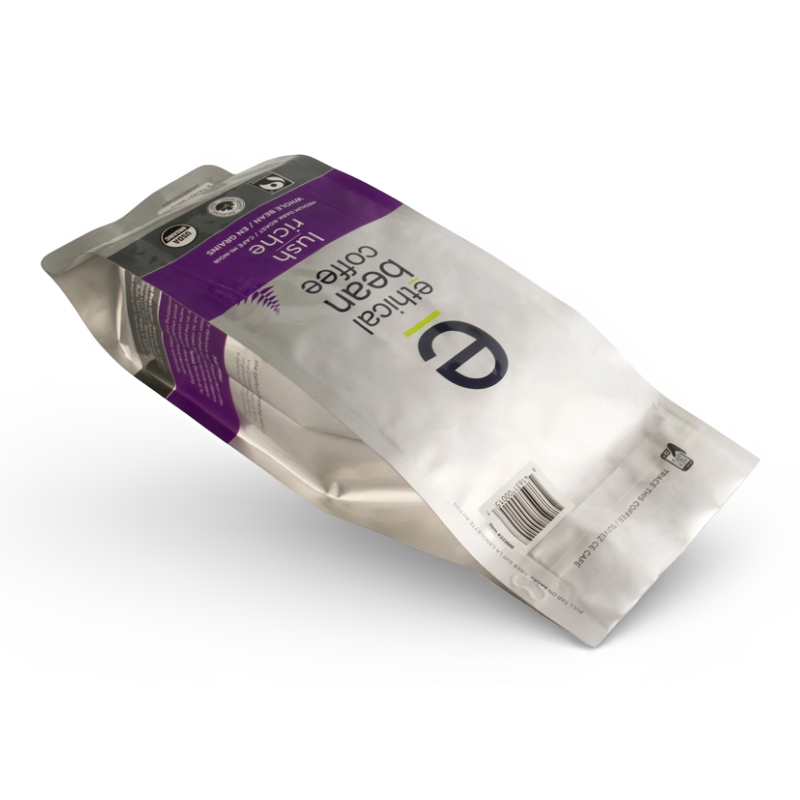
You want your coffee to taste as fresh as possible. Barrier properties in packaging play a key role in keeping specialty coffee beans at their best. Coffee beans lose quality quickly if exposed to oxygen or moisture. Hermetically sealed bags prevent this by blocking out air and water. Eco-Friendly Coffee Bags use advanced materials to protect your coffee from light, temperature changes, and humidity. For example, compostable one-way valve bags and recyclable aluminum-lined pouches help lock in flavor and aroma. When you choose packaging with strong barrier properties, you help your customers enjoy the full taste of your coffee.
Shelf life matters for both your business and your customers. Biodegradable packaging has improved, but it sometimes struggles to keep out moisture and oxygen. This can affect how long your coffee stays fresh. Some biodegradable bags need extra coatings to work well. On the other hand, recyclable packaging, especially high-barrier mono-plastics, offers strong protection against light, punctures, and leaks. This makes it a reliable choice for longer storage. Factors like light, temperature, and humidity also influence shelf life. Too much light can break down coffee oils, while temperature swings and high humidity can cause mold or spoilage.
Your packaging is a powerful tool for branding. You can customize eco-friendly bags with colors, shapes, and finishes that match your brand identity.
Specialty roasters often use gold accents, embossing, or unique shapes to stand out on the shelf. Color choices can even affect how much customers are willing to pay, as certain colors create positive feelings.
You have many options, such as stand-up pouches, gusset bags, flat bottom bags, and more. Customization helps your coffee catch the eye and tells your brand’s story.
Certifications show your commitment to sustainability. They also help customers trust your eco-friendly claims. Look for well-known certifications like BPI, EN 13432, ASTM D6400, OK Compost, and AS 4736. These standards confirm that your packaging meets strict environmental guidelines.
|
Certification Name |
Region |
Description |
Importance |
|---|---|---|---|
|
EN 13432 |
Europe |
Verifies industrial compostability of packaging materials. |
Gold standard for compostable packaging in Europe. |
|
ASTM D6400 / ASTM D6868 |
United States |
Confirms biodegradability in industrial composting. |
Essential for brands targeting North America. |
|
BPI Certification |
United States / Canada |
Verifies compostability and toxicity testing. |
Legally required to claim 'compostable' in many U.S. markets. |
|
OK Compost |
International |
Certifies suitability for industrial or home composting. |
Provides flexibility for brands. |
|
AS 4736 / AS 5810 |
Australia / New Zealand |
Covers industrial and home compostability. |
Highly recognized in Oceania. |
When you display certifications like BPI on your packaging, you give customers confidence in your product and reduce concerns about greenwashing. Certifications also provide third-party proof that your Eco-Friendly Coffee Bags meet high standards, which can build loyalty among environmentally conscious buyers.
You can choose compostable bags to show your commitment to the environment. These bags break down into non-toxic materials and help divert waste from landfills. Many specialty roasters use fully compostable one-way valves made from PLA bioplastic. This feature lets carbon dioxide escape while keeping oxygen out, which helps maintain coffee freshness. Compostable bags also boost your brand’s eco-friendly image and can justify premium pricing. However, you may face higher costs and challenges with disposal, since most compostable bags need industrial composting facilities.
|
Advantages |
Disadvantages |
|---|---|
|
Lower carbon footprint and non-toxic breakdown |
20-50% more expensive than standard bags |
|
Enhances eco-friendly image and justifies premium pricing |
Not suitable for home composting and can contaminate recycling |
|
Strong barrier properties for freshness |
Some formulations may be less flexible |
|
Diverts waste from landfills to compost |
Supply chain for compostable films is less established |
Tip: Using compostable bags with one-way valves helps you keep your coffee fresh and shows your dedication to sustainability.
Biodegradable bags appeal to customers who care about the environment. These bags can break down into natural components, but the process depends on specific conditions. You may find that some biodegradable materials leave behind microplastics. The bags often need industrial composting to decompose fully. Moisture and oxygen resistance can also be a concern, which may affect coffee freshness.
Biodegradable bags use renewable resources.
They can require a lot of water and energy to produce.
Some bags may not break down properly without the right composting conditions.
Microplastics can remain after decomposition.
Coffee may lose freshness if the bag does not block moisture and oxygen well.
Recyclable bags offer a practical and affordable option. You support a circular economy by choosing bags that can be collected and remade into new products. Recycled plastic bags are the most affordable and widely available. However, the success of recycling depends on local systems and the purity of the materials. Compostable PLA bags cost more but excel in sustainability if commercial composting is available.
|
Material |
Cost Comparison |
Sustainability Overview |
|---|---|---|
|
Recycled Plastic |
Most affordable and widely available |
Supports a circular economy but relies on effective recycling systems |
|
Bio-Based Plastic |
Mid-range cost, becoming competitive |
Recyclable versions support circularity; biodegradable versions face challenges |
|
Compostable PLA |
Most expensive due to raw material costs |
Excels in end-of-life potential if commercial composting is available |
Note: Always check if your local recycling program accepts the type of bag you choose.
Reusable bags help you reduce waste and encourage customers to use the same bag multiple times. You can use durable materials like canvas or thick kraft paper. These bags can serve as a branding tool, since customers may use them for other purposes. You may need to invest more at first, but reusable bags can build loyalty and show your commitment to sustainability.
Reduce single-use packaging waste.
Increase brand visibility.
Require clear instructions for cleaning and reuse.
Higher upfront cost, but long-term savings possible.
Eco-Friendly Coffee Bags give you many ways to balance sustainability, cost, and product quality. By understanding the pros and cons of each option, you can make the best choice for your brand and your customers.
Switching to Eco-Friendly Coffee Bags can set your brand apart and meet growing consumer demand for sustainability. You can follow a clear process to make this transition smooth and effective.
Start by choosing reliable suppliers who offer certified sustainable packaging. Here are steps you can take:
Check for official certifications like BPI or TÜV Austria.
Ask for details about material specifications and barrier performance.
Understand minimum order quantities (MOQs) and pricing tiers.
Inquire about lead times for both stock and custom-printed bags.
Request information on the custom printing process and physical proofs.
Make sure zippers, valves, and inks are also compostable or biodegradable.
Seek references from other specialty roasters.
For example, the BPI Certified Compostable Biodegradable Coffee Flat Bottom Pouch with Valve requires a minimum order of 10,000 pieces and a lead time of 25 to 30 days. Compare these numbers with other suppliers to find the best fit for your business.
|
Supplier Type |
Minimum Order Quantity |
Lead Time |
|---|---|---|
|
Large Manufacturers |
2,000–5,000+ pieces |
Varies |
|
Digital Printing Suppliers |
As few as 500 units |
Varies |
|
BPI Certified Compostable Bag |
10,000 pieces |
25–30 days |
Eco-friendly packaging often costs more than traditional options, but it brings valuable benefits. You can expect a 20–50% increase in cost compared to standard plastic bags. However, you gain a stronger brand image and appeal to eco-conscious customers.
|
Packaging Type |
Cost Increase (%) |
Benefits |
|---|---|---|
|
Eco-friendly bags |
20–50% |
Enhanced brand image, sustainability appeal |
|
Traditional plastic bags |
0% |
Lower initial cost, less sustainable |
You can also explore plant-based films or hybrid paper laminates to balance cost and performance.
Successful sustainable packaging requires customer education about proper disposal. Print clear recycling or composting instructions directly on the bag. Include your local facility requirements. Consider offering a take-back program for customers who lack proper disposal options. This shows real commitment beyond marketing claims.
Clear communication helps your customers support your sustainability efforts and builds trust in your brand.
You must understand the certifications and regulations for sustainable packaging. Review the requirements for compostable, biodegradable, or recyclable materials. Stay updated on green regulations, as these rules change often. Choose packaging that aligns with zero-waste trends and provides clear disposal options. Make informed decisions based on the real-world impact of your packaging.
By following these steps, you can transition to Eco-Friendly Coffee Bags with confidence and set your brand up for long-term success.
You have several strong options when choosing Eco-Friendly Coffee Bags for your specialty coffee business. Compostable, biodegradable, recyclable, and reusable bags each offer unique benefits for sustainability and product quality. Consider your brand’s values and your customers’ expectations as you make your decision. Take action by sourcing certified packaging and educating your customers. You can lead your market by making responsible choices that support both your business and the environment. Get more informations from www.bioflexi.com.
A truly compostable coffee bag uses plant-based materials and meets strict certifications like BPI or EN 13432. You can trust these certifications to ensure the bag breaks down safely in industrial composting facilities.
You should not place compostable bags in regular recycling bins. Compostable materials can contaminate recycling streams. Always follow the disposal instructions on the bag and use a commercial composting facility if possible.
Look for clear certifications such as BPI, OK Compost, or ASTM D6400. These marks show that the bag meets environmental standards. You can also check the material list for plant-based or recyclable components.
Yes, many eco-friendly bags use advanced barrier layers to block oxygen and moisture. You can expect your coffee to stay fresh and flavorful, especially if the bag includes a one-way valve.
Eco-friendly bags usually cost more than traditional plastic bags. You pay for sustainable materials and certifications. However, you gain customer trust and support your brand’s commitment to the environment.
lf you would like to work with us or just want to get intouch, we'd love to hear from you!

Copyright @ 2026 Shanghai BioPouches Co., Ltd All Rights Reserved. Network Supported
leave a message