

Author
Marie R. Winters


Paper and cardboard, molded pulp, kraft paper, cellulose, wool, mushroom-based materials, seaweed, recyclable PET and HDPE, mono films, compostable bioplastics, and aluminum lead the field of sustainable packaging solutions. Each material brings distinct strengths, best-fit applications, and end-of-life paths. Some suit recyclable, compostable, reusable, and biodegradable packaging materials; others excel as durable eco friendly packaging materials or lightweight eco-friendly packaging materials for transit. Bioflexi works across these categories. The team helps businesses match sustainable packaging materials to product needs and goals, whether the target is recyclable, compostable, or reusable packaging or a reusable packaging system built for repeat trips.
Sustainable packaging uses materials like paper, molded pulp, wool, mushroom-based materials, seaweed, recyclable plastics, compostable bioplastics, and aluminum.
Each material has unique strengths and best uses, so match the material to your product's needs and your local disposal options.
Check what your local recycling or composting programs accept before choosing a material to ensure it gets disposed of correctly.
Test a few packaging options with real orders to find the best fit for your product and distribution chain.
Work with experts like Bioflexi to compare materials and adopt sustainable packaging that your customers can easily dispose of.
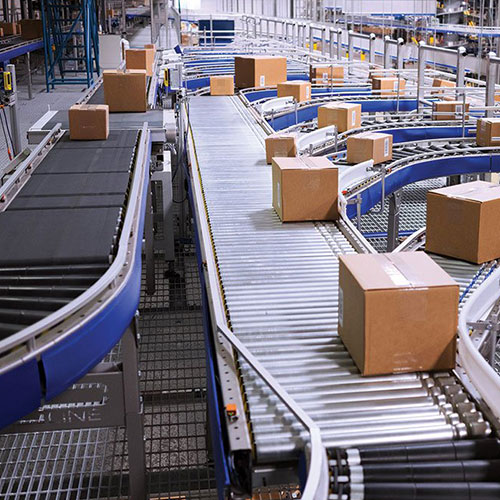
Wood pulp from managed forests supplies most paper and cardboard. Mills break the fiber down, press it into sheets, and convert those sheets into boxes, cartons, and wraps. You get a renewable, lightweight material with good printability and stacking strength. Corrugated cardboard carries shipping boxes and e-commerce orders. Folding cartons hold food, cosmetics, and electronics. Paper wraps protect fragile items in transit. Many brands now specify recycled paper and cardboard to cut virgin fiber demand, and recycled cardboard performs well in secondary and tertiary packaging. End-of-life is straightforward: most communities accept paper and cardboard in curbside recycling, and clean fiber recycles several times before the fibers shorten. Composting also works for uncoated grades. For businesses building sustainable packaging, fiber remains the most widely recycled option, and it pairs well with sustainable flexible packaging solutions that use paper-based outer layers.
Molded pulp comes from recycled paper and cardboard or from bagasse, the fibrous residue left after sugarcane juice extraction. Manufacturers mix the fiber with water, form it into shaped molds, and dry it into trays, inserts, and clamshells. The result is a rigid, shock-absorbing material that cushions electronics, eggs, and produce. Bagasse-based packaging offers the same molded-pulp benefits with a fast-growing feedstock. Kraft paper starts as wood pulp processed with a sulfate method that yields strong, unbleached sheets. Converters turn it into bags, void fill, and wrapping. Both materials biodegrade and compost in industrial facilities, and both accept recycling where fiber collection exists. Cellulose rounds out this family. Hemp, wood, and cotton yield cellulose fiber that producers spin into films and wraps. Cellulose packaging is a biodegradable option, and it composts at end-of-life. These biodegradable packaging materials suit brands that want fiber-based protection without plastic. Each material fits a specific job: molded pulp for cushioning, kraft for wrapping, cellulose for clear wraps.
Wool packaging starts with sheep fleece, a renewable fiber that regrows each season. Producers clean and felt the fiber into padded wraps and liners. Wool absorbs shock, breathes well, and regulates moisture around fragile goods. You see it in protective mailers for bottles, electronics, and cosmetics. Wool is a natural, biodegradable fiber, and it breaks down in soil at end-of-life. Composting works for untreated wool, and reuse extends its service life further.
Mushroom-based materials grow from mycelium, the root network of fungi. Growers feed the mycelium on agricultural waste such as hemp hurds or corn stalks inside a mold. The network binds the waste into a solid shape within days, and heat treatment stops further growth. The finished mycelium based packaging material forms custom inserts, corner protectors, and shipping blocks. It cushions like foam, carries good compressive strength, and accepts a range of shapes. Mycelium packaging is a compostable option at home or in industrial facilities, and it returns nutrients to soil as it breaks down. These plant-based materials and bio-fabricated options give you earth friendly packaging materials for protective roles. Bioflexi guides businesses through these bio-based choices, from sample testing to supplier sourcing, and helps you weigh them against your product and disposal needs.
Seaweed grows in coastal waters and needs no freshwater, fertilizer, or arable land to cultivate. Harvesters collect it, dry it, and process it into films, sachets, and coatings. Seaweed films form clear, flexible wraps with a natural barrier to oxygen and grease. They suit single-use food sachets, condiment packets, and thin protective layers. Some seaweed formats dissolve in water, and others biodegrade in soil or compost. Seaweed counts among the biodegradable packaging materials that pair well with short-life food applications. Compostable packaging made from seaweed fits venues with organic waste collection. Bioflexi helps you assess whether seaweed films suit your product's moisture and shelf-life profile before you commit to a format.
Plastic-based materials remain the most-used packaging category worldwide. Recyclable grades keep that volume in circulation. PET starts as petroleum-derived resin, and producers mold it into bottles, jars, and thermoformed trays. HDPE comes from similar feedstock and forms milk jugs, detergent bottles, and crates. Mono films use a single polymer layer instead of mixed layers, so recyclers can process them without separation trouble. You get lightweight, shatter-resistant packaging with a strong moisture barrier. Beverage bottles, personal care containers, and shipping mailers rely on these formats. Curbside programs accept PET and HDPE widely, and mono films increasingly enter store drop-off streams. Specify recycled plastics or paper content where your supplier offers it, and you cut virgin-material demand. These recyclable packaging materials fit durable goods and high-turnover retail items best.
Compostable bioplastics come from plant-based materials such as cornstarch or bagasse. Producers ferment the starch into polylactic acid or blend it into films and rigid trays. The material breaks down in industrial composting facilities and returns to soil. Use it for food service items, produce trays, and short-life containers. Aluminum starts as bauxite ore, and smelters refine it into thin foil and cans. Aluminum blocks light, oxygen, and moisture completely, and it recycles indefinitely without quality loss. Cans, trays, and foil lids suit beverages, ready meals, and pharmaceuticals. A compostable packaging solution works best where organic waste collection exists. Aluminum fits long shelf-life and high-recycling-rate markets. Both options support sustainable packaging goals when the disposal infrastructure matches the format.
Start with the product itself. Weight, fragility, moisture sensitivity, and shelf life narrow the field fast. A heavy glass bottle needs cushioning, so molded pulp or wool earns a look. A greasy food item suits seaweed film or a compostable tray. A long-haul shipment favors corrugated cardboard or aluminum. Write down your product's top three physical demands before you compare any sustainable material options.
Next, map the distribution chain. Air freight rewards light materials. Retail shelves reward printability and stack strength. Direct-to-consumer shipping rewards shock absorption. Then check your disposal infrastructure. Curbside recycling supports paper, PET, and HDPE. Industrial composting supports bioplastics and molded pulp. No collection program means a compostable format may end up in landfill. Shortlist two or three candidates and test them against real orders. This step turns a long list of eco friendly materials for packaging into a workable plan.
A material only closes the loop when the right facility exists nearby. Confirm what your local waste stream accepts before you commit. Ask your recycler about mono films and mixed fiber. Ask your composter about coated paper and bioplastic grades. Label every package with clear disposal instructions. Good labeling keeps recyclable packaging out of the wrong bin and protects compost streams from contamination.
Reusable packaging deserves the same scrutiny. A reusable packaging system only pays off when return logistics run smoothly and cleaning is built in. Track trip counts and repair cycles to prove the model works. Bioflexi supports this whole process. The team assesses your product and channels, sources sustainable packaging materials, and helps you adopt a format your customers can actually dispose of. As one of the sustainable packaging solution providers that works across fiber, bio-based, and recyclable formats, Bioflexi also designs sustainable flexible packaging solutions for transit. Contact Bioflexi to review your shortlist and build a sustainable packaging solution that fits your product, your distribution, and your local infrastructure.
Your shortlist should reflect the attributes you just reviewed: renewable sourcing, recyclability, compostability, and reduced virgin-material use. Each one shapes a strong sustainable packaging choice. Pick two or three materials that fit your product, your distribution channels, and your local disposal infrastructure. Test them on real orders before you commit. That step turns a long list into a workable sustainable packaging plan. Bioflexi supports that work with practical guidance and reliable sourcing across every category. The team helps you compare formats and adopt sustainable packaging your customers can dispose of correctly. Contact Bioflexi today to assess which sustainable packaging solutions fit your business and your sustainability goals.
Match the material to the food's moisture and grease profile. Seaweed films and compostable bioplastics suit short-life food sachets and trays. Molded pulp handles produce and eggs. Kraft paper wraps dry goods well. Check that your local compost or recycling stream accepts the format before you commit.
Yes. Clean fiber recycles several times before the fibers shorten and lose strength. Curbside programs accept most paper and cardboard. Keep the material dry and free of heavy food residue. Contaminated fiber drops out of the recycling stream, so clear disposal labels help.
Look at your local disposal infrastructure first. Curbside recycling supports paper, PET, and HDPE. Industrial composting supports bioplastics and molded pulp. A compostable format without a nearby composting facility may land in landfill. Pick the format your customers can actually dispose of correctly.
Flexible formats cover wraps, mailers, and void fill. Paper-based outer layers pair well with fiber-based sustainable packaging. Mono films keep recyclability intact for plastic-based formats. These options cut material weight and shipping volume, which supports your broader sustainable packaging goals.
A good partner assesses your product, channels, and waste streams, then sources materials that fit. Bioflexi works across fiber, bio-based, and recyclable categories. The team tests samples, compares formats, and helps you adopt sustainable packaging your customers can dispose of correctly.
lf you would like to work with us or just want to get intouch, we'd love to hear from you!

Copyright @ 2026 Shanghai BioPouches Co., Ltd All Rights Reserved. Network Supported
leave a message