



You shape your brand’s success with every packaging decision. A well-crafted stand-up pouch can elevate your product on crowded shelves and boost sales. Recent studies show that visual elements like color, shape, and texture influence how customers judge freshness and quality. With custom stand up pouches, you can meet consumer demand for sustainability and reduce food waste. Thoughtful design not only enhances shelf presence but also helps your product stand out in a market where these pouches are set to capture 38.0% of total market share in 2025.
Key Takeaways
-
Design stand-up pouches to maximize brand visibility. Use vertical space for logos and graphics to help customers recognize your products quickly.
-
Choose the right materials for your pouches. Select options that protect your product while also considering sustainability and recyclability.
-
Incorporate practical features like resealable closures and tear notches. These enhance customer experience by making your product easy to use and store.
-
Keep your design simple and focused. Avoid clutter to ensure customers can quickly understand your product and its benefits.
-
Test prototypes thoroughly before production. Gather feedback from stakeholders to refine your design and ensure it meets customer needs.
Why Stand-Up Pouch Design Matters
Brand Visibility
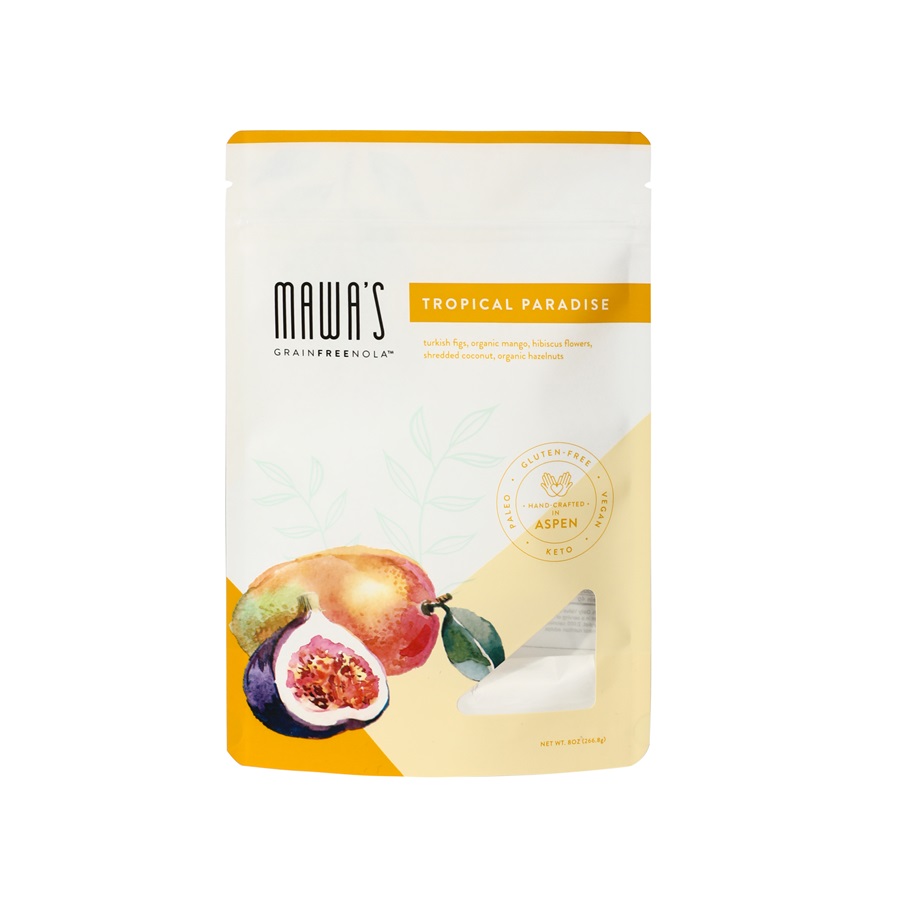
You drive brand visibility with every packaging choice. Stand-up pouch design gives you a tall, vertical canvas that maximizes your logo and graphics. This vertical space lets you showcase your brand’s colors and fonts, helping customers recognize your products instantly. Brands that use consistent color reproduction across SKUs build trust and loyalty. Clean alignment of graphics and text ensures your packaging looks professional and stands out. You can differentiate your products from competitors by using unique shapes and bold visuals. Flexible packaging like stand-up pouches allows you to adapt quickly to market trends and keep your brand fresh.
Tip: Use the vertical space to highlight your brand’s story and key selling points. Customers often remember brands that use clear, readable information layouts.
Shelf Impact
You create shelf presence by designing eco-friendly stand-up pouches that grab attention. Retail shelves are crowded, so your packaging must stand tall and store well. Stand up pouches offer a structure that stands upright, making your products more visible. Hang holes, either round or sombrero style, give you extra display options. Rounded corners add a premium feel and help your pouch look polished. When you use engaging graphics and vibrant colors, your products pop off the shelf. Consistent design across your product line reinforces your brand identity and makes your products easy to spot.
Customer Experience
You enhance customer experience by focusing on practical features. Resealable closures, like zipper closures, keep products fresh and allow customers to use your product multiple times. Tear notches make opening easy without frustration. Compact storage lets customers fit your stand-up pouch in cabinets or bags. Controlled pouring or portion access prevents spills and waste. When you design packaging that stands and stores well, you show customers you care about their convenience. Readable information and clean graphics help customers make informed choices.
-
Key features customers appreciate:
-
Resealable closures for freshness
-
Easy opening with tear notches
-
Compact storage and upright structure
-
Controlled pouring and portion access
-
Stand-Up Pouch Materials
Material Choices
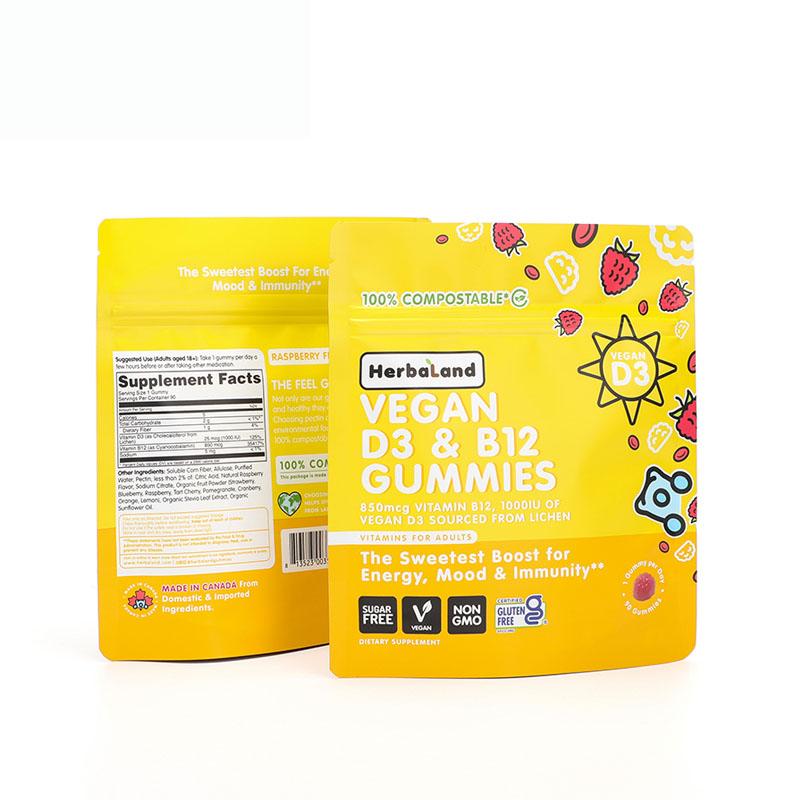
You must select the right materials for your stand up pouches to protect your product and reinforce your brand’s quality. The food and beverage industry relies on several common materials for flexible packaging. Each material offers unique benefits for strength, sealability, and product safety.
-
Polyester gives your pouch strength and flexibility. You can trust it to withstand handling and shipping.
-
Polyethylene provides a strong seal, which is essential for keeping products fresh and preventing leaks.
-
Aluminum foil acts as a barrier against light, moisture, and oxygen. This layer helps preserve sensitive products.
-
Paper offers a natural look and feel. It works well for dry goods and adds a tactile element to your packaging.
-
Nylon increases puncture resistance, making it ideal for products that need extra protection.
Mono material films have become popular for custom stand-up pouches. These films use a single polymer type, such as polyethylene or polypropylene. You can improve recyclability and simplify production by choosing mono material structures. They do not require special adjustments to your existing production lines.
Tip: Match your material selection to your product’s needs. For example, snacks may need a moisture barrier, while coffee requires protection from oxygen and light.
Product Freshness
You maintain product freshness by choosing materials with the right barrier properties. Stand up pouches often use multi-layer structures to combine the strengths of different materials. These layers block moisture, oxygen, and light, which can degrade your product over time.
If you use compostable materials, you may face challenges with barrier performance. Some compostable films do not protect as well as traditional plastics. This can lead to shorter shelf life and increased waste, which affects both quality and environmental impact. You must balance sustainability with the need to keep your product fresh.
Note: Always test your pouch with real products to ensure the chosen materials preserve freshness and quality throughout the intended shelf life.
Eco-Friendly Options
You can support sustainability by exploring eco-friendly materials for your stand-up pouch. The industry now offers several options that reduce environmental impact and align with consumer values.
-
Mono-material structures focus on single polymer types, making recycling easier and more efficient.
-
Compostable and biodegradable materials are in demand, especially for single-serve products. Adoption remains limited by the availability of composting facilities.
-
Post-consumer recycled content helps you lower your carbon footprint and reduce reliance on virgin resources. You may face regulatory challenges, but using PCR materials demonstrates your commitment to sustainability.
-
Circular economy principles encourage you to design packaging for reuse, recycling, or composting from the start.
-
Transparency and traceability matter to today’s consumers. You can build trust by sharing information about your materials and their certifications.
Multi-layer structures provide excellent protection but can limit recyclability. You must find the right balance between performance and sustainability. Using post-consumer recycled content in your flexible packaging supports a circular economy and meets growing market expectations.
Callout: Sustainable packaging is not just a trend. It is a core part of your brand’s reputation and long-term success.
By carefully selecting materials for your custom stand-up pouches, you protect your product, support sustainability, and meet consumer demand for responsible packaging.
Pouch Size and Structure
Right Dimensions
You optimize your packaging by selecting the right dimensions for your product. Matching pouch size to product prevents waste and reduces extra costs. You analyze material volume and capacity to ensure efficient use of space. Custom sizing options allow you to meet unique operational needs, while standardization simplifies processes and minimizes waste. Review the following guidelines to help you choose the best size for your stand up pouches:
|
Guideline |
Description |
|---|---|
|
Material Volume Analysis |
Collect data on material properties to inform optimal pouch sizing. |
|
Capacity Calculation |
Consider weight-to-volume relationships and material compaction. |
|
Custom Sizing Options |
Evaluate the need for custom sizes based on operational requirements. |
|
Standardization Approaches |
Develop standardized size categories to simplify processes and reduce waste. |
Tip: You improve efficiency and reduce costs by aligning pouch size with your product’s actual requirements.
Functional Features
You enhance user experience by incorporating functional features into your stand up pouches. Consumers value resealable closures, which keep products fresh and allow repeated use. Customizable shapes and sizes cater to different needs and build brand loyalty. Transparent windows let customers see the product inside, increasing trust and supporting informed decisions. Barrier properties protect against moisture and air, ensuring product quality and shelf life. Explore the most valued features below:
|
Feature |
Description |
|---|---|
|
Resealable Closures |
Provide convenience for consumers, allowing products to be used multiple times without losing freshness. |
|
Customizable Shapes and Sizes |
Tailored to fit specific product requirements, catering to different customer needs. |
|
Transparent or Window Options |
Allow consumers to see the product inside, building trust and aiding in informed purchasing decisions. |
|
Barrier Properties |
High-barrier protection against moisture and air, ensuring product quality and shelf life. |
Callout: You build customer satisfaction by focusing on features that make your packaging easy to use and reliable.
Barrier Properties
You protect your product’s quality by prioritizing barrier properties in your pouch structure. High-barrier films and foil laminates prevent oxygen, moisture, and light from degrading your product. These properties maintain freshness, flavor, and aroma, especially for food items like coffee. Flexible packaging plays a crucial role in preserving quality across many products.
-
High-barrier films or foil laminates prevent oxygen, moisture, and light from degrading products.
-
Barrier properties are critical for maintaining freshness, quality, and flavor in food packaging.
-
Coffee pouches protect freshness, aroma, and flavor by using high-barrier materials.
-
Flexible packaging preserves the freshness and quality of various food products.
Note: You ensure product longevity and customer satisfaction by selecting stand-up pouch materials with strong barrier properties.
Stand-Up Pouch Design Elements
Colors and Fonts
You capture attention on the shelf with your choice of colors and fonts. Vibrant colors draw the eye and help your product stand out in a crowded retail environment. Clear, readable fonts ensure that customers can quickly identify your product and understand its benefits. Marketing research shows that using vibrant colors and clear fonts increases consumer engagement and improves the visibility of product information. You should select a color palette that aligns with your brand identity and appeals to your target audience. Avoid using too many colors, as this can create confusion and dilute your message.
Tip: Choose bold, legible fonts that remain readable even if the pouch wrinkles or reflects light. Test your font choices under different lighting conditions to guarantee clarity.
Graphics and Branding
You reinforce your brand’s identity through the strategic use of graphics and branding elements. High-quality roll stock printed film plays a crucial role in maintaining consistent print and color quality. This consistency ensures that your graphics look sharp and professional, which attracts consumers and builds trust. Leading packaging vendors offer advanced printing techniques that allow you to create more creative and effective designs. You can use vibrant graphics to highlight your product’s unique features and tell your brand story. Consistent use of logos, icons, and imagery across your product line strengthens brand recognition and loyalty.
|
Branding Element |
Purpose |
Best Practice |
|---|---|---|
|
Logo |
Brand recognition |
Place prominently on the pouch front |
|
Tagline |
Communicate brand promise |
Use concise, memorable language |
|
Product Imagery |
Showcase product or usage |
Use high-resolution, appealing images |
|
Color Palette |
Reinforce brand identity |
Maintain consistency across SKUs |
Callout: Invest in professional design and printing to ensure your graphics remain sharp and your colors stay true across every stand-up pouch.
Avoiding Distortion
You protect your brand image by preventing distortion of key design elements. The curved surfaces and flexible nature of stand-up pouches can stretch or warp graphics, especially near the edges. To maintain a professional appearance, follow these best practices:
-
Avoid placing important elements like logos and barcodes on the curved edges.
-
Use bold and legible fonts to enhance readability, even if the pouch wrinkles or reflects light.
-
Consider how the pouch changes shape when filled, as this can affect the placement and appearance of your design.
-
Design transparent labels carefully to ensure the background color does not clash with key text elements.
You should always review your artwork using dielines and physical mockups. This process helps you spot potential issues before full production. By keeping critical information and branding away from high-distortion areas, you ensure your packaging looks polished and communicates your message clearly.
Note: A well-planned design not only prevents distortion but also enhances the overall impact of your stand-up pouch on the shelf.
Printing and Finishes
Printing Methods
You elevate your packaging by investing in professional design and full-coverage printing. Professional design increases the visual appeal of your stand-up pouch, making it more attractive to shoppers. Full-coverage printing ensures your label remains readable and adapts well to the flexible surface. This approach also improves durability and creates a strong shelf impact, which boosts brand visibility. You should work with experienced designers who understand the unique challenges of flexible packaging. They can help you plan your graphics and text for maximum effect.
Tip: Thoughtful label planning helps your packaging stand out and withstand handling during shipping and on store shelves.
Finishes by Product Type
You can enhance both the look and durability of your packaging by choosing the right finish for your product type. Different finishes affect how your pouch feels and performs. Review the table below to compare common finish options:
|
Finish Type |
Effect on Appearance |
Effect on Durability |
|---|---|---|
|
Matte |
Provides a non-reflective, elegant look |
May be less resistant to scratches |
|
Gloss |
Enhances colors and visual appeal |
Generally more durable and water-resistant |
|
Special Touch |
Unique textures for added interest |
Varies based on specific material |
You should select a finish that matches your product’s needs and your brand’s image. Gloss finishes work well for products that need to catch the eye, while matte finishes offer a premium, understated look. Special touch finishes add texture and uniqueness.
Dielines and Templates
You ensure a smooth production process by using accurate dielines and templates. Dielines act as blueprints for printing and assembly. They help you lay out your design correctly and guide the cutting process. Accurate dielines offer several advantages:
-
Minimize waste and improve production efficiency.
-
Prevent misalignment and poor fit, which reduces scrap rates.
-
Avoid color deviations and scaling issues that can harm visual appeal.
-
Balance visual impact, barrier performance, and production efficiency.
You should always review dielines with your packaging supplier before finalizing your design. This step helps you achieve a high-quality finished product and avoids costly mistakes.
Common Stand-Up Pouch Design Mistakes
Designing effective packaging requires you to avoid common pitfalls that can undermine your brand and reduce sales. Many brands make similar mistakes when creating a stand-up pouch. You can learn from these errors and ensure your packaging stands out for the right reasons.
Overcomplicated Designs
You might feel tempted to add too many elements to your design, but clutter can confuse customers and weaken your message. A clear, focused design helps shoppers quickly understand your product and brand. The table below highlights frequent design mistakes and their impact on sales:
|
Design Mistake |
Impact on Sales |
|---|---|
|
Cluttered design |
Creates visual confusion, making it hard for customers to quickly understand the product. |
|
Poor contrast and legibility |
Leads to customer frustration and signals low product quality, potentially causing them to ignore the product. |
|
Spelling mistakes |
Signals poor quality control, which can damage brand reputation and lead to compliance issues. |
|
Inadequate product protection |
Results in negative customer experiences, higher return rates, and potential injuries during opening. |
|
Lack of differentiation |
Causes customers to forget the brand, leading to price-driven purchases and reduced brand loyalty. |
|
Ineffective color choices |
Creates subconscious confusion, affecting initial product judgments and potentially deterring purchases. |
Tip: Keep your design simple and prioritize clarity. Customers appreciate packaging that communicates value at a glance.
Usability Issues
You must consider how your packaging performs in real-world conditions. Poor usability can frustrate customers and slow down your operations. Common usability challenges include machinery changes, inefficiency, and product unsuitability. The table below outlines these issues:
|
Challenge Type |
Description |
|---|---|
|
Machinery changes |
The filling machinery for stand-up pouches can be costly and may require significant investment. |
|
Inefficiency |
The filling process may not match the speed of traditional packaging lines, leading to inefficiencies. |
|
Unsuitability |
Certain products, like ice cream, are not compatible with stand-up pouches due to their design. |
Note: Test your packaging with your actual product and equipment before full-scale production.
Compliance Oversights
You must follow strict regulations when designing packaging for food or consumer goods. Missing key compliance steps can lead to recalls, fines, or damage to your reputation. Key requirements include:
-
FDA regulations ensure packaging materials do not pose health hazards or alter the food's taste, smell, or composition.
-
The FDA regulates substances in packaging that may come into contact with food, including plastics and adhesives, to prevent harmful migration.
-
Compliance involves using FDA-approved food additives and food contact substances generally recognized as safe (GRAS).
-
Proper labeling on packaging is mandatory to meet regulatory standards.
-
Categories regulated include direct food additives, indirect food additives (such as packaging materials and adhesives), and food contact substances that might migrate into food.
Callout: Always review your packaging with regulatory experts to avoid costly compliance mistakes.
Testing and Sampling
You ensure the success of your stand-up pouch by investing in thorough testing and sampling before mass production. This process helps you catch potential issues early, refine your packaging, and deliver a product that meets both brand and customer expectations.
Prototyping
You start by creating prototypes to visualize and validate your design. Physical prototypes allow you to see how your pouch looks and functions in real life, not just on a screen. You can use several prototyping techniques:
-
Handmade mock-ups help you check dimensions and basic structure early in the process.
-
3D printing produces detailed models quickly, though the materials may differ from the final pouch.
-
Digital simulations let you review initial concepts without physical samples.
-
Custom sample runs give you a chance to test finishes, weight, and stability before committing to full production.
Physical prototypes remain the most effective method. They let you perform real user testing, spot color bleeding, and identify material or structural issues. You reduce risk and save resources by catching mistakes before they reach the market.
Stakeholder Feedback
You gather feedback from all key stakeholders to improve your packaging. Involve your design team, marketing staff, suppliers, and even potential customers. High-fidelity prototypes make it easier for everyone to discuss the user journey and satisfaction. Real user testing reveals how the pouch performs in daily use and whether it meets consumer needs. Open communication with suppliers helps you address any manufacturing challenges early.
Tip: Encourage honest feedback from every stakeholder. Diverse perspectives lead to a stronger final product.
Final Adjustments
You refine your design based on testing results and stakeholder input. Use a variety of testing methods to ensure your pouch performs well:
|
Testing Method |
Purpose |
|---|---|
|
Product/Package Compatibility |
Confirms product and packaging materials work together |
|
Compression Testing |
Checks pouch strength under pressure |
|
Seal Testing |
Ensures seals prevent leaks |
|
Puncture Resistance Testing |
Tests durability against sharp objects |
|
Water Bath Testing |
Detects leaks or weak seals |
|
Tensile Testing |
Measures material strength |
|
Burst Testing |
Finds maximum pressure tolerance |
|
Drop Testing |
Assesses impact resistance during handling |
You collaborate with experienced suppliers to make final tweaks. Adjust colors, materials, or features as needed to achieve the best results. This careful approach ensures your packaging stands out and protects your product from production to shelf.
You can design an effective stand-up pouch by following these essential steps:
-
Collaborate with your packaging manufacturer for reliable quality.
-
Define clear requirements, including size, materials, and features.
-
Test prototypes under real conditions to ensure durability and appeal.
Balancing branding with functional features creates packaging that attracts customers and supports sustainability. Apply these strategies and always test your designs before launch to maximize success.
FAQ
What is the best material for stand-up pouches?
You should choose materials based on your product’s needs. For food, high-barrier films or laminates work best. For eco-friendly brands, mono-material or compostable films offer sustainability. Always test materials to ensure they protect your product.
How do you prevent design distortion on pouches?
You should keep logos, text, and barcodes away from curved edges. Use dielines to guide placement. Test your design with physical mockups to spot any stretching or warping before final production.
Can you print on both sides of a stand-up pouch?
Yes, you can print on both sides. Printing on the back lets you add instructions, ingredients, or brand stories. Work with your supplier to ensure color consistency and print quality on all surfaces.
What features improve pouch usability?
Tip: Add resealable zippers, tear notches, and transparent windows. These features make your pouch easy to open, close, and use. Customers value convenience and product visibility.

 Network Supported