

Author
Marie R. Winters


Flat pouch packaging has become a critical factor in the food industry as 2026 approaches. Brands seek innovative solutions that address consumer demands for safety, sustainability, and efficiency. Professionals, managers, and consumers all recognize the impact of packaging choices. > Consider how a shift to flat pouch formats could redefine your approach to food presentation and preservation.
Flat pouch packaging enhances shelf appeal with its upright design, maximizing visibility and allowing for efficient stacking.
Sustainability is key; brands are shifting to eco-friendly materials like compostable pouches to meet consumer demand for responsible packaging.
Advanced barrier technology in flat pouches protects food from moisture and oxygen, extending shelf life and maintaining quality.
Customization options, such as unique designs and resealable features, help brands stand out and cater to consumer preferences.
Digital integration, like QR codes, enhances consumer engagement and provides brands with valuable insights for better marketing strategies.
The flat pouch continues to shape the future of the flat pouches market as brands and manufacturers respond to evolving consumer preferences. In 2026, several packaging trends are influencing the direction of food packaging, with a focus on sustainability, advanced barrier technology, digital integration, customization, and minimalist design. These emerging trends reflect the growing demand for eco-friendly options, improved product protection, and enhanced consumer engagement across the market.
Sustainability remains at the forefront of packaging trends in the flat pouches market. The demand for eco-friendly options drives innovation in material selection and design. Brands are increasingly adopting materials that minimize environmental impact while maintaining product integrity. Common eco-friendly materials used in flat pouch packaging for food include:
Recyclable paper bags with handle
PE/PP plastic bags
Reusable non-woven bags
Compostable bakery bags
Biodegradable kraft paper bags
Innovations such as the Kraft Compostable Flat Pouch demonstrate the industry's commitment to sustainable packaging. Paper flat pouches and compostable solutions are gaining traction as consumers prioritize environmental responsibility. The flat bottom pouch segment, in particular, benefits from these advancements, offering both functionality and reduced ecological footprint.
Advancements in barrier technology are transforming the flat pouches market. Enhanced barrier coatings now provide superior protection against oxygen and moisture, which is essential for preserving food quality and extending shelf life. The integration of biodegradable materials into these coatings supports sustainability goals without compromising performance.
|
Barrier Property |
Effect on Shelf Life and Safety |
|---|---|
|
Oxygen Transmission |
Protects food from oxidation, preserving flavor and nutrients |
|
Moisture Barrier |
Prevents spoilage due to moisture, reducing waste |
|
Light Protection |
Shields food from light degradation, maintaining quality |
|
Sealing Techniques |
Ensures airtight packaging, crucial for extending shelf life |
Techniques such as modified atmosphere packaging, vacuum packaging, and active packaging technologies (including oxygen absorbers) further enhance product safety. Regulatory standards ensure that packaging meets strict requirements to protect nutrient content and freshness during long-term storage. The three-side seal pouch design, widely used in prepared foods and snacks, exemplifies how innovation in sealing technology supports both convenience and product safety.
Digital integration is a defining trend in the flat pouches market for 2026. Brands leverage smart packaging technologies to connect with consumers and gather valuable data. QR codes, such as those used in ePacConnect, enable interactive experiences by linking consumers to loyalty programs, promotional campaigns, and personalized content. These technologies also support product verification, track and trace capabilities, and data collection, enhancing transparency and trust.
Serialized QR codes drive consumer engagement.
Loyalty programs and promotions increase brand interaction.
Product verification and traceability improve safety and authenticity.
Digital integration not only elevates the consumer experience but also provides brands with actionable insights to refine their packaging strategies.
Customization is a powerful driver in the flat pouches market, allowing brands to differentiate themselves and respond to specific consumer needs. The flat bottom pouch and three-side seal pouch formats offer extensive customization options, including:
Resealable zippers and various sizes for convenience
Unique designs that enhance shelf appeal
Digital printing for on-demand packaging, supporting special events or limited editions
Sustainable printing practices that reduce waste
Customization enhances visibility and appeal, helping brands stand out in a crowded market. Studies show that 72% of consumers associate angular, matte-textured coffee bags with premium quality, while 68% link these designs to small-batch craftsmanship. Customization in flat pouch packaging directly influences consumer perception and supports brand differentiation.
Minimalist design is reshaping packaging trends in the flat pouches market. Brands are adopting clean, functional aesthetics that prioritize usability and sustainability. Key design features include:
|
Key Design Features |
Description |
|---|---|
|
Monochromatic or limited color palettes |
Use of 2-3 colors maximum to reduce visual noise. |
|
Generous white space |
Provides visual breathing room, enhancing clarity. |
|
Sans-serif typography |
Clean, readable fonts improve accessibility. |
|
Clean, geometric shapes |
Sharp lines and ergonomic forms enhance usability. |
|
Functional design |
Aesthetic beauty derived from functionality, supporting usability and sustainability. |
Minimalist packaging often incorporates realistic product imagery, illustrations for an artisanal feel, and transparent windows that allow consumers to see the product directly. Strategic visuals create an emotional connection, helping consumers make quick purchasing decisions and reinforcing brand credibility. Choosing a darker, complementary shade for product descriptions can draw attention while maintaining a minimalist appearance.
The flat pouch, flat bottom pouch, and three-side seal pouch formats all benefit from these design principles, supporting both market differentiation and consumer satisfaction.
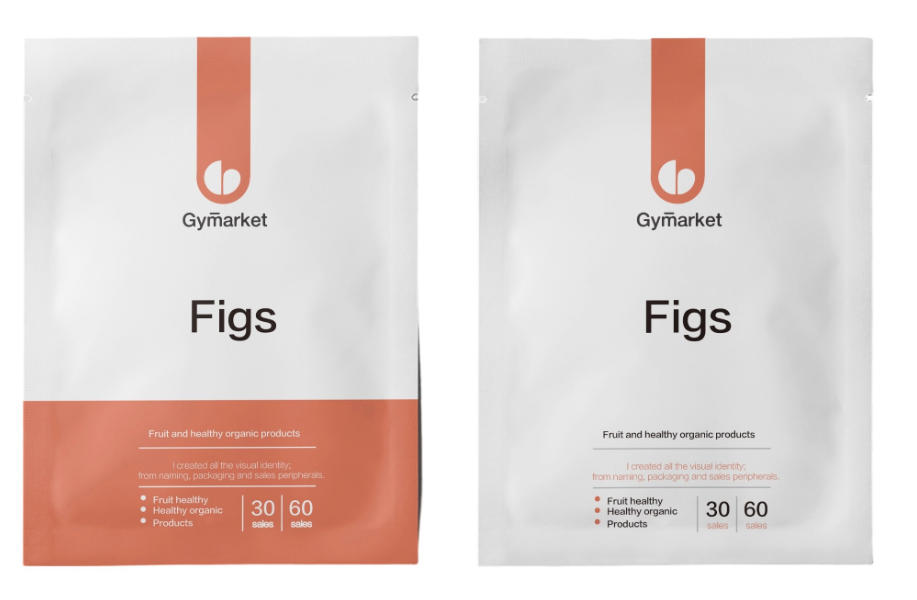
Flat pouch packaging delivers strong shelf appeal in the flat pouches market. The flat bottom pouch stands upright, increasing visibility and stability for customers. This design maximizes shelf space and allows efficient stacking and display. Customization options, such as vibrant graphics and premium finishes, enhance product presentation and reflect the quality of gourmet foods. The three-dimensional structure provides a larger surface area for branding and labeling, supporting clear messaging and high-quality printing. Compared to traditional packaging, flat pouch formats offer superior shelf appeal and practicality.
|
Feature |
Flat Pouch Packaging |
Traditional Packaging |
|---|---|---|
|
Printable Surface Area |
Large, allows for clear messaging |
Limited, often smaller area |
|
Printing Quality |
High-quality options (matte, gloss, metallic) |
Standard printing techniques |
|
Shelf Appeal |
Strong, eye-catching designs |
Often less visually appealing |
|
Practicality |
Lightweight, versatile for storage/transport |
Heavier, less flexible |
Flat bottom pouches, including the Kraft Compostable Flat Pouch, are often used for gourmet foods, coffee, and snacks. Their upright positioning and customizable branding help products stand out in a competitive market.
Product protection is a critical benefit in the flat pouches market. Flat pouch packaging uses high-barrier films that block moisture, oxygen, and light, preserving the freshness and safety of food. The multi-layered structure extends shelf life for perishable foods, maintaining quality and flavor. The 3-side seal pouch design offers strong sealing strength, preventing contamination and ensuring product integrity. Moisture and contamination resistance are essential for prepared foods, snacks, and single-serve items.
|
Type of Film |
Protection Offered |
|---|---|
|
High-barrier white film |
Protects against moisture, oxygen, and light |
|
High-barrier transparent film |
Safeguards against moisture, oxygen, and light while allowing visibility |
|
High-barrier metallized film |
Excellent protection against moisture, oxygen, and light with enhanced visibility |
Flat pouch packaging, including compostable flat tea bag options, supports sustainability while delivering robust protection. The demand for high-performance packaging continues to drive innovation in barrier technology across the market.
Convenience is a major advantage for both consumers and retailers in the flat pouches market. Flat pouch packaging is lightweight and space-efficient, making it easy to stack, transport, and store. The flat bottom pouch design provides stability and saves space, optimizing storage and shelf space compared to other packaging types. Single-serve, shelf-stable, or frozen products benefit from efficient filling and sealing during packaging. The packaging format is suitable for snacks, coffee, and food brands seeking practical solutions.
Flat pouches are economical and save space.
Their design allows for easy stacking, transport, and storage.
Efficient and simple to fill and seal during packaging.
Stable design due to flat base and multiple sealing edges.
More printable surface area for branding and product information.
Many flat bottom pouches use recyclable laminates, contributing to sustainable packaging and supporting sustainability goals in the market.
Cost efficiency is a key driver in the flat pouches market. Flat pouch packaging uses less material and simpler production methods than rigid containers. Flexible pouches require fewer raw materials, resulting in lower packaging expenses. Lighter packaging allows more products to be transported in a single shipment, maximizing shipping loads and reducing logistics costs. The lightweight nature of flat pouch packaging supports a more sustainable supply chain.
|
Evidence Type |
Savings Percentage |
|---|---|
|
Material Cost Savings |
12% |
|
Reduction in Logistics Weight |
18% |
Flexible packaging, including the Kraft Compostable Flat Pouch and compostable flat tea bag, offers significant cost savings for food brands. The demand for economical and sustainable packaging solutions continues to influence trends and innovation in the market.
Note: Flat pouch packaging provides a combination of shelf appeal, product protection, convenience, and cost efficiency. These benefits make it an ideal choice for prepared foods, snacks, and small-sized products in the flat pouches market.
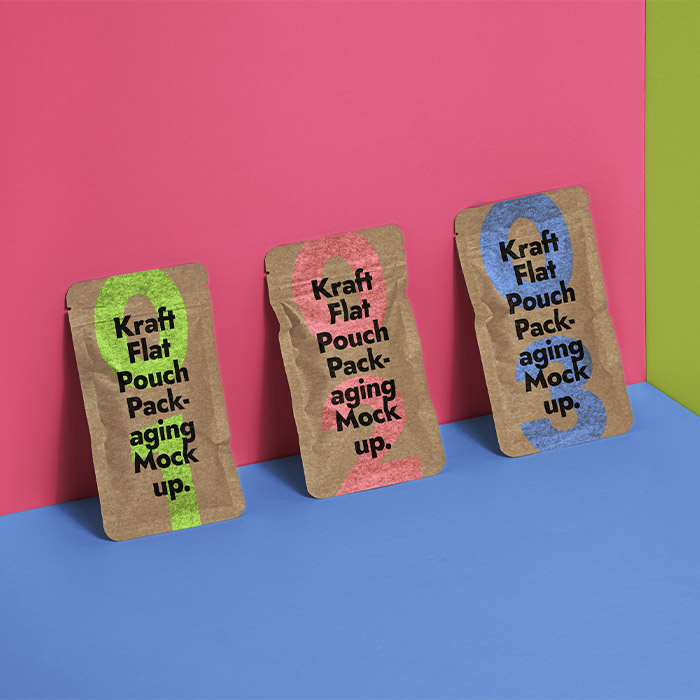
Flat pouch packaging enables brands to stand out in the flat pouches market. Unique shapes and bright colors increase brand recognition, making products familiar to consumers. Lightweight and compact designs enhance convenience, appealing to modern lifestyles. Eco-friendly materials, such as those found in the Kraft Compostable Flat Pouch and compostable flat tea bag, align with consumer expectations for sustainable packaging. Customization options, including advanced printing and window placement, allow brands to tailor their presentation and reinforce identity.
|
Brand Example |
Design Style |
Key Elements for Success |
Best Applications |
|---|---|---|---|
|
Bear Naked Granola |
Illustration and Artisan Aesthetics |
Custom illustrations, earthy colors, textured stocks |
Organic foods, artisan products, children’s snacks |
|
Sahale Snacks |
Photographic Realism |
Professional food styling, realistic color representation |
Gourmet foods, meat products, confectionery |
|
Blue Bottle Coffee |
Geometric Patterns and Abstract Graphics |
Proprietary patterns, limited color relationships, integration with typography |
Specialty coffee, premium tea, contemporary snacks |
|
Pirate’s Booty |
Vintage and Retro Revival |
Period-appropriate typography, muted color palettes, vintage illustration styles |
Traditional recipes, craft beverages, confectionery |
|
Purely Elizabeth |
Transparent and Window Designs |
Strategic window placement, balance between transparency and branding |
Granola, nuts, dried fruits, snacks with appealing textures |
Flat pouch packaging builds consumer trust in the food industry. Unique designs help brands stand out on shelves. High-quality graphics and branding are possible through advanced printing techniques. Transparent windows, as seen in the 3-side seal pouch, allow consumers to view the product, increasing confidence. Visually appealing packaging influences purchasing decisions, making design elements essential. Blockchain technology and smart packaging with embedded sensors provide transparency and real-time data, further enhancing trust.
Brands using flat bottom pouch formats gain a competitive edge in the flat pouches market. Attractive design and stability on shelves drive popularity. Cost savings of 15-20% reduce packaging expenses, supporting profitability. The food packaging segment experiences high revenue growth, fueled by demand for convenient and eco-friendly options. Increased consumption of prepared foods, snacks, and nuts boosts market growth. Flat pouch packaging expands into pet food and agricultural products, maintaining freshness and preventing contamination.
Sustainability remains a priority for brands in the flat pouches market. Approximately 73% of consumers prefer products in flexible pouches due to their resealable and sustainable nature. Brands adopt recyclable and biodegradable materials, meeting consumer preferences and regulatory requirements. Flat pouch packaging uses advanced sealing technologies, extending food freshness and reducing waste. Compostable flat tea bag options biodegrade within 90–180 days, lowering environmental impact. Adoption of flat pouch packaging reduces plastic waste by up to 80% and lowers greenhouse gas emissions, supporting sustainability goals.
Flat pouch packaging continues to transform the food industry by combining shelf appeal, packaging performance, and environmental protection. Market analysis highlights a shift toward sustainable materials and recyclable pouches, driven by consumer demand for eco-friendliness. Packaging innovations, including smart technologies and automation, will further enhance ready-to-eat and prepared foods. As the market evolves, brands must prioritize packaging decisions that support both cost efficiency and sustainability. The future promises advanced solutions that balance packaging efficiency with environmental responsibility.
Market growth stems from rising consumer demand for convenient, sustainable packaging. Brands invest in innovative solutions that enhance shelf appeal and product protection. The industry sees increased adoption of eco-friendly options, which supports both environmental responsibility and profitability.
Packaging choices determine the level of protection against moisture, oxygen, and contamination. High-barrier films and advanced sealing techniques preserve freshness and extend shelf life. Proper packaging ensures food remains safe for consumption during storage and transport.
Eco-friendly options reduce environmental impact and meet consumer demand for sustainable products. Brands select recyclable and compostable materials to support market growth. These choices help companies achieve sustainability goals and appeal to environmentally conscious consumers.
Market growth in flexible packaging results from increased demand for lightweight, cost-efficient solutions. The industry benefits from innovations in material science and digital integration. Brands leverage customization and minimalist design to differentiate products and drive market growth.
Packaging influences consumer demand by enhancing product visibility and trust. Attractive designs, clear labeling, and transparency encourage purchases. Brands use packaging to communicate quality and sustainability, which supports market growth and builds consumer loyalty.
lf you would like to work with us or just want to get intouch, we'd love to hear from you!

Copyright @ 2026 Shanghai BioPouches Co., Ltd All Rights Reserved. Network Supported
leave a message