

Author
Marie R. Winters


Small-batch and limited-edition food products allow brands to test new flavors, respond to seasonal demand, and introduce special collections without committing to a permanent product line. However, packaging can become a challenge when production volumes are limited, designs change frequently, and demand is still uncertain.
Flexible pouches offer a practical option for these launches. With customizable sizes, printed designs, material structures, and closure options, they can support new snack flavors, seasonal confectionery, specialty coffee, granola, and other limited-release foods. For brands evaluating Bioflexi's custom flexible packaging products, the key is to match the pouch format and material to the food, launch quantity, and sales channel.
The best approach is to consider packaging during product development, rather than waiting until the recipe and production volume have already been finalized.
Flexible pouches are suitable for many small-batch products because they combine customizable presentation with a lightweight package structure. Brands can adapt pouch dimensions, artwork, material construction, and opening features to suit a specific product launch.
For example, a snack company testing a new chili-lime flavor may not need the same packaging strategy as a manufacturer selling a permanent family-size product. A smaller pouch can support trial purchases, while a distinctive printed design helps customers identify the new flavor.
Common applications include:
For samples and smaller portions, brands can consider custom three-side seal pouches for food and snack packaging. This flat format is suitable for many trial portions and sample packs.
Testing a new flavor involves more than checking whether customers like the food. Brands also need to understand the appropriate pack size, price point, shelf presentation, and potential demand before expanding production.
Flexible pouches can support this process by giving each test product its own packaging design. A snack brand, for example, can use the same basic pouch format for three new flavors while changing the flavor name, color scheme, and front-panel graphics.
This approach offers three practical advantages:
For products such as nuts, chocolate, and snack mixes, a resealable package can help consumers store the product after opening. A zipper closure is particularly useful when the food is intended to be consumed over several occasions.
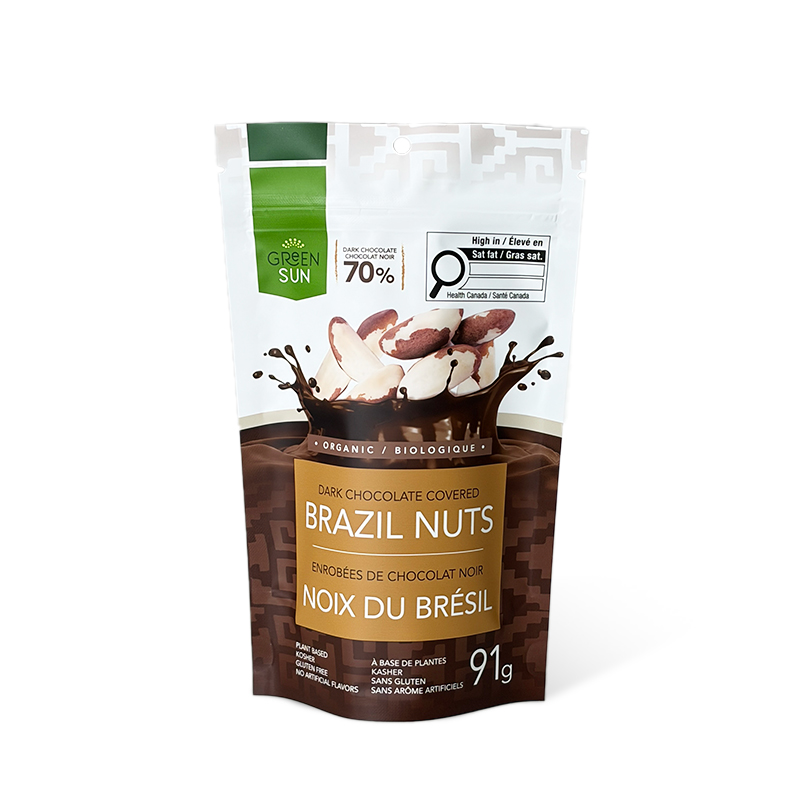
Yes. Flexible pouches can be customized for holiday collections, seasonal flavors, brand collaborations, and short-term promotional products. The packaging can communicate what makes a product special without requiring the brand to redesign its entire product range.
Consider a food brand preparing a holiday snack collection. It may retain the same pouch dimensions across several products while introducing seasonal artwork, special colors, or limited-edition graphics. Customers can recognize the brand while still seeing what makes the seasonal release different.
This approach can simplify packaging planning. Where the pouch construction and dimensions remain suitable, a brand may be able to maintain a consistent packaging format while updating the artwork for a particular campaign. The actual production and printing options should be confirmed with the supplier.
For products that need an upright retail display, custom stand-up pouches are worth considering. Their bottom gusset allows the package to stand on a shelf, while an optional zipper can improve convenience for products consumed over several occasions.
The right pouch format depends on the food, target fill weight, filling process, retail environment, and customer experience. There is no single structure that works best for every small-batch launch.
| Pouch format | Suitable applications | Main consideration |
|---|---|---|
| Flat pouch | Samples, seasonings, and small snack portions | Compact format that lies flat |
| Stand-up pouch | Granola, nuts, dried fruit, candy, and snack mixes | Upright display and optional resealing |
| Flat bottom pouch | Premium snacks, coffee, and larger retail packs | Stable base and multiple printable panels |
| Side gusset pouch | Coffee, tea, and selected dry foods | Expandable sides for suitable product volumes |
For products where shelf stability and presentation are priorities, flat bottom pouches with a valve offer another format to evaluate, particularly for coffee and other products with specific packaging requirements.
Packaging materials should be selected according to the food's sensitivity and expected shelf life. A short sales period does not automatically mean a product can use a low-barrier package. The food still needs appropriate protection during filling, storage, transportation, and retail display.
Before choosing a pouch structure, brands should consider:
Food-contact suitability and the regulations of the target market should also be considered. A packaging supplier can help evaluate appropriate material structures based on the product, filling conditions, and required shelf life.
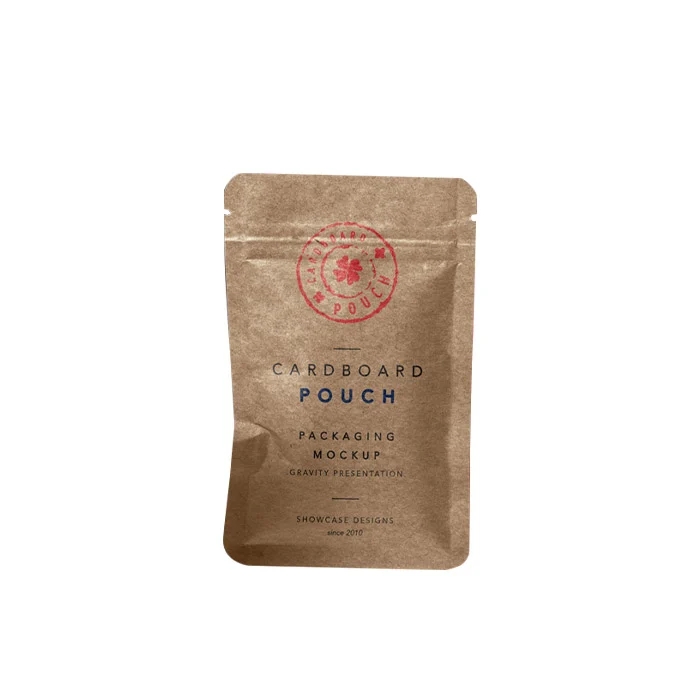
Brands interested in environmental considerations can explore compostable kraft flat pouches. These can provide a natural kraft-paper appearance for suitable products, but material certifications, barrier performance, and disposal requirements should be checked for the intended market.
Packaging cost is especially important when demand for a new product is uncertain. The goal is not simply to choose the cheapest pouch, but to balance packaging performance, visual appeal, order quantity, and the risk of unused inventory.
Digital printing can be worth discussing when a brand needs several artwork variations or wants to test different designs. However, the most cost-effective method depends on the supplier's available equipment, order volume, and production requirements.
Small-batch packaging does not always mean a very low minimum order quantity. Brands should confirm the minimum quantity, production lead time, printing method, and setup costs before finalizing their launch budget.
Preparing packaging specifications in advance helps reduce avoidable changes during production and gives the supplier a clearer understanding of the product requirements.
Before requesting a quotation, prepare the following information:
It is also worth asking whether samples or production trials are available. A pouch that looks suitable in a design file may behave differently when filled, sealed, stacked, or displayed on a shelf.
Yes. Flexible pouches can be customized with different sizes, artwork, materials, finishes, and closures for seasonal foods, promotional products, new flavors, and other limited releases. The structure should match the food's protection and filling requirements.
Yes. Trial-size packs and flavor-specific artwork can help brands introduce new products, collect customer feedback, and assess demand before expanding production. The required quantity and printing method should be confirmed with the supplier.
Flat pouches can suit samples and smaller portions, while stand-up pouches provide upright shelf presentation and optional resealing. Flat bottom pouches may suit premium products or larger packs. The best choice depends on the food, fill weight, and retail requirements.
Often, yes. Brands can retain the same pouch dimensions and basic layout while changing colors, flavor names, graphics, and product information. This creates a consistent product family while making each flavor easy to identify.
Minimum order quantities depend on the pouch type, material structure, printing method, and production requirements. Brands should confirm minimum quantities, printing options, production lead times, and setup costs before placing an order.
Start with the food's barrier and shelf-life requirements, then select a pouch format, size, artwork, and closure that fit the product and sales channel. Confirm artwork approval, production lead time, order quantity, and delivery timing before the campaign begins.
lf you would like to work with us or just want to get intouch, we'd love to hear from you!

Copyright @ 2026 Shanghai BioPouches Co., Ltd All Rights Reserved. Network Supported
leave a message