

Author
Marie R. Winters


Choosing recyclable packaging is not as simple as replacing one plastic film with another. For food brands, coffee roasters, pet food manufacturers, and wholesale distributors, a pouch still needs to protect the product, run smoothly on filling equipment, and arrive in good condition after international shipping. It also needs to meet the sustainability expectations of the target market.
Recyclable side gusset pouches are worth considering when a business needs generous filling capacity, a compact shape before filling, and enough printable space for product information and branding. However, not every pouch described as recyclable will perform the same way or be accepted by every recycling system.
Before placing a bulk order, buyers should look beyond the appearance of the bag. Material composition, barrier performance, sealing requirements, recyclability evidence, printing, and supplier support all deserve attention. This guide explains what to check when sourcing recyclable side gusset pouches for commercial food packaging.
The first question to ask a packaging supplier is straightforward: what exactly is the pouch made of?
Traditional flexible packaging often combines different materials to achieve print quality, toughness, heat resistance, and protection against moisture or oxygen. These structures can work well for product preservation, but separating their layers during recycling may be difficult or impractical in some recycling systems.
Mono-material structures, such as certain PE-based or PP-based films, are often considered when recyclability is a priority. Using compatible materials across the main packaging structure can make a pouch more suitable for established recycling streams. However, the final result depends on the complete construction, including adhesives, coatings, inks, closures, and any additional components.
When reviewing a quotation, ask the supplier to provide:
Do not rely on the word “recyclable” alone. Ask for the actual material specification and make sure it matches the packaging claims planned for your product.
For example, a supplier may offer a PE-based structure for a dry food product. That option still needs to be checked against the product's barrier requirements and the recycling infrastructure available in the countries where it will be sold.
Recyclability is important, but packaging must also do its main job: protecting the food inside. A pouch that does not provide sufficient barrier performance may allow moisture or oxygen to affect product quality during storage and transportation.
The right barrier level depends on what you are packing. Coffee beans, roasted nuts, powdered supplements, dry pet food, and tea do not necessarily need the same packaging structure.
Before choosing a material, consider the following requirements:
Ask the supplier for available barrier data, such as oxygen transmission rate (OTR) and water vapor transmission rate (WVTR), where applicable. These figures should be assessed alongside test conditions and the shelf-life requirements of your product rather than compared in isolation.
If you are switching from a conventional high-barrier laminate to a recyclable structure, do not assume that the new pouch will automatically provide the same shelf life. Test it with the actual food product and confirm that the packaging performs as expected.
Side gusset pouches have expandable panels along both sides. These folds create extra internal capacity when the bag is filled, making the format useful for products that need a relatively large volume without an unnecessarily wide package.
Side gusset packaging is commonly considered for coffee, tea, dry foods, grains, snacks, and pet food. The format can also provide broad printable panels for branding and product information.
When choosing dimensions, confirm more than the nominal bag width and height. Ask your supplier to clarify:
Fill weight is not the same as pouch capacity. A kilogram of coffee beans, a kilogram of powder, and a kilogram of pet food can occupy very different volumes. Product density, particle size, and settling behavior all affect the dimensions you need.
For this reason, ask for a sample or prototype before approving a large production order. Filling a sample with the actual product is a practical way to check fit, appearance, closure position, and sealing performance.
Explore custom side gusset pouches to review available packaging formats and discuss dimensions for your product.
A recyclable pouch is only useful if it stays securely closed throughout filling, storage, distribution, and use. The closure system should therefore be part of the material discussion from the beginning.
Depending on the product and packaging format, buyers may need to consider:
Each additional component can affect performance, cost, and the overall material structure. A zipper or valve that works with one pouch construction may not be suitable for another.
Ask the supplier to confirm whether the selected closure and other features are compatible with the proposed recyclable structure. If recyclability is a key selling point, request documentation that addresses the complete package rather than only the main film.
Before mass production, test the finished pouch for seal integrity, leakage, opening and closing performance, and handling resistance under realistic conditions.
One of the most common sourcing mistakes is assuming that a recyclable pouch can be recycled everywhere. In practice, collection systems, sorting facilities, and flexible-plastic recycling programs vary by country and region.
A package may be designed with a recyclable material structure but still face practical limitations if local facilities do not collect or process that type of flexible packaging. Labels and environmental claims should reflect the conditions relevant to the market where the product will be sold.
Before approving artwork, buyers should ask:
It is also important to distinguish recyclable packaging from compostable packaging. These terms refer to different end-of-life pathways and should not be used interchangeably.
If your brand sells in several countries, the same packaging design may need different disposal guidance or claim reviews for different markets. Consult the relevant local requirements before printing environmental statements on the bag.
Sustainable packaging still needs to work for the brand on the shelf. Buyers should evaluate print quality, color consistency, text readability, and the overall appearance of the finished pouch.
Side gusset pouches offer broad front and back panels for logos, product descriptions, nutritional information, barcodes, and other required details. The side folds also influence how the artwork appears once the package is filled and expanded.
When comparing suppliers, check the following points:
Request a digital proof before production and review all text, dimensions, colors, and regulatory information carefully. Where possible, assess a physical sample as well. A digital preview cannot fully show the feel, reflectivity, or behavior of the finished material.
For food packaging, printing choices must also be suitable for the intended application. Discuss the proposed inks and packaging construction with the supplier, especially where food-contact requirements or specific market regulations apply.
When sourcing recyclable side gusset pouches in bulk, the quoted price per bag is only one part of the decision. Buyers should compare the complete cost of getting usable packaging into production.
Request a quotation that clearly identifies the main cost factors, including:
Minimum order quantity (MOQ) may differ depending on the printing process and the complexity of the design. A large-volume order may offer a lower unit price, but it can also tie up working capital and create inventory risks if demand is uncertain.
Ask for pricing at several practical order quantities if your business is planning a new product launch or testing a new recyclable material. Compare the total landed cost and production requirements, not just the factory price.
It is also worth confirming what happens if the sample passes testing but the first production batch does not match the approved specification. Clear quality requirements and approval records can reduce avoidable disputes later.
For importers, private-label brands, and wholesale distributors, reliable communication is just as important as the packaging itself. A capable supplier should be able to explain the material options, recommend a suitable structure, and identify any limitations before production begins.
Before placing an order, ask the supplier how it handles:
Do not assume that a supplier's general certification automatically applies to every product or material. Request the specific documentation relevant to your order and verify that it covers the intended use.
For example, a brand developing recyclable pet food packaging may need different barrier performance and package dimensions from a coffee roaster. The supplier should be able to discuss those differences rather than recommend the same construction for every application.
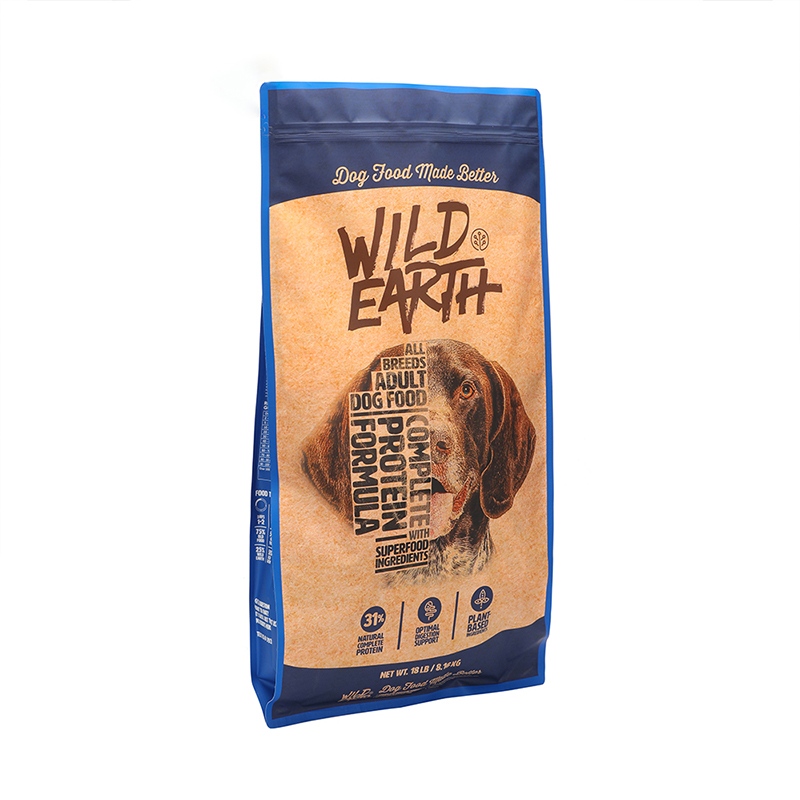
Bioflexi offers customizable side gusset packaging for applications including coffee and pet food. Buyers can review the recyclable dog food pouch as one example of a side gusset format and its available customization options.
The best packaging structure depends on the product, its shelf-life requirements, and the distribution environment. The following examples illustrate how side gusset pouches can be adapted to different dry-food applications.
Example 1: Pet food packaging
Dry pet food brands may need a pouch that accommodates larger fill volumes while providing suitable resistance to moisture, punctures, and handling damage. Before selecting a recyclable structure, confirm the expected shelf life, bag size, seal requirements, and performance after transport.
Example 2: Coffee packaging
Coffee brands need to consider aroma retention, oxygen exposure, and the release of carbon dioxide from freshly roasted beans. Depending on the roast, filling process, and intended shelf life, a degassing valve and resealable closure may be required. Confirm that these features are compatible with the selected material structure.
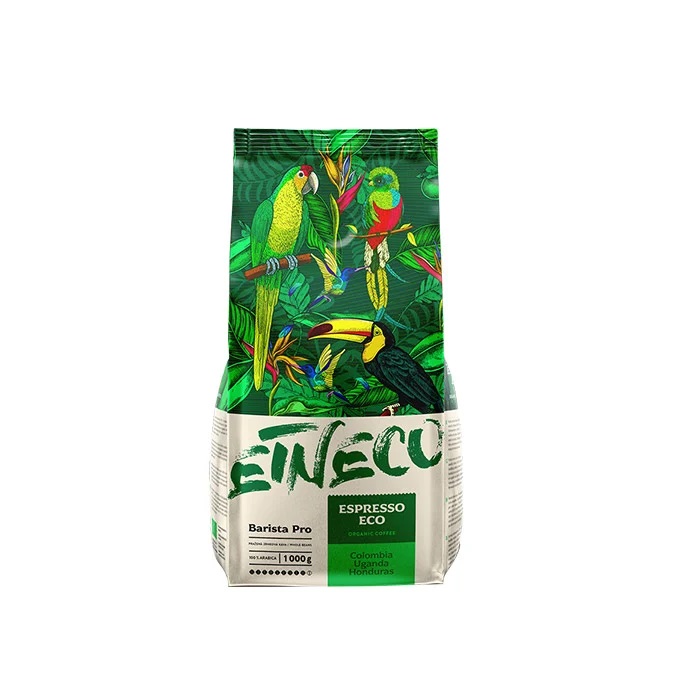
For coffee brands comparing material and closure options, the recyclable side gusset coffee bags page provides a relevant product example.
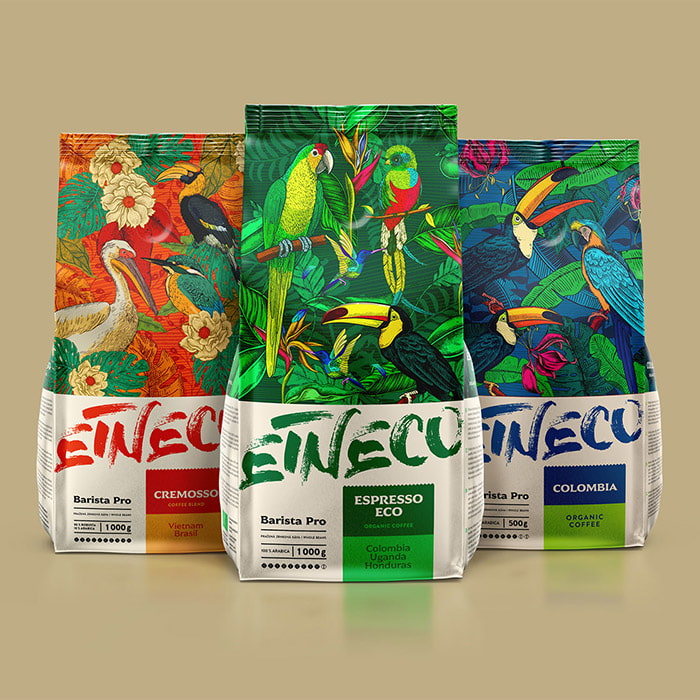
In both cases, a sample test with the actual product is more useful than choosing a bag based on appearance alone. The packaging should be evaluated for fit, barrier performance, seal integrity, and compatibility with the planned filling process.
Are all side gusset pouches recyclable?
No. Recyclability depends on the complete material structure and the recycling systems available in the target market. Ask for the exact construction and supporting evidence before making a claim on your packaging.
Can recyclable side gusset pouches provide good moisture and oxygen protection?
Some recyclable structures are designed to provide useful barrier performance, but the suitable option depends on the food, shelf-life target, and storage conditions. Request technical data and test the finished pouch with your product.
Can I customize the size, printing, and closure?
Customization may include dimensions, film structure, thickness, artwork, surface finish, zippers, tear notches, and other features. Availability depends on the selected construction and production requirements, so confirm the options with your supplier.
Should I request samples before bulk production?
Yes. Samples help you evaluate fit, capacity, material feel, print appearance, opening behavior, and sealing performance. If shelf life is important, conduct appropriate product and packaging tests before approving the final specification.
What information should I provide when requesting a quotation?
Share your product type, target fill weight, pouch dimensions if known, required material or recyclability goals, barrier requirements, printing artwork, preferred features, order quantity, and delivery destination. These details help the supplier recommend a more appropriate structure and prepare a useful quotation.
Recyclable side gusset pouches can be a practical option for brands that need generous capacity, strong shelf presentation, and a packaging structure designed with recycling in mind. The right choice, however, requires more than a sustainability label.
Start with the material composition, then check barrier performance, dimensions, seals, printing, market-specific recycling requirements, and total order cost. Finally, request samples and confirm the technical specification before committing to mass production.
If you are sourcing custom side gusset pouches for coffee, pet food, snacks, tea, or other dry products, Bioflexi can help you review available material and customization options for your packaging project.
To receive a more accurate quotation, prepare your target fill weight, bag dimensions, material requirements, artwork, and estimated order quantity before contacting the packaging team.
lf you would like to work with us or just want to get intouch, we'd love to hear from you!

Copyright @ 2026 Shanghai BioPouches Co., Ltd All Rights Reserved. Network Supported
leave a message