

Author
Marie R. Winters


You run a growing brand. You hold two pouch samples: one compostable, one recyclable. Both promise sustainability. Which one truly fits your goals?
Here is the direct answer: no material wins universally. Your choice depends on local composting or recycling access, product protection needs, budget, and customer expectations. This guide treats custom stand-up pouches as a practical decision, not a one-size-fits-all purchase.
Keep two questions in mind. First, where will this pouch end up after use? Second, how sensitive is your product? Your answers will shape every material decision for your stand-up pouches.
Neither material wins universally. Local recycling access decides the best choice. Composting access also matters. Check your disposal infrastructure first.
Certifications back compostability claims. Look for BPI labels. TÜV Austria labels offer additional proof. Third-party verification prevents greenwashing.
Product sensitivity guides barrier choice. Oxygen, moisture, sunlight damage foods. High-barrier materials extend shelf life. Compostable films offer less protection.
Compostable materials cost more at low volumes. Recycled plastic costs close to conventional. Request pricing data. Compare cost with shelf life.
Request samples. Request certifications. Test pouches under real conditions. Verify local infrastructure before printing claims. Choose a verified film.
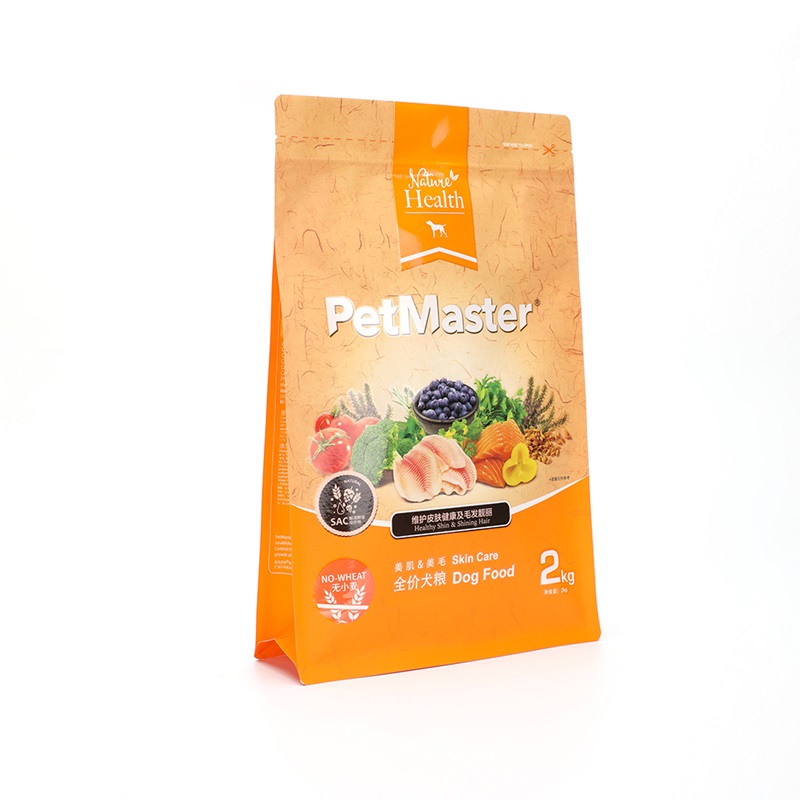
Your pouch leaves the customer's hands. Then what? The answer depends on infrastructure, not just material labels.
Compostable stand-up pouches break down effectively only in industrial composting facilities. These facilities maintain the high temperatures and controlled conditions that microorganisms need. Many communities lack access to such facilities. A pouch labeled compostable may sit in a landfill for years when no industrial composter operates nearby.
Recyclable stand-up pouches face a different challenge. They need acceptance by local recycling programs. Flexible film recycling remains limited across many regions. Most curbside programs reject flexible packaging because sorting equipment cannot process thin films efficiently.
Material selection shapes disposal outcomes. You can choose from PET, MET-PET, BOPP, nylon, foil, or kraft for conventional structures. Sustainable alternatives include recyclable, compostable, or PCR film options. Each material carries distinct end-of-life characteristics.
|
Material |
Recyclability |
Compostability |
|---|---|---|
|
Recycled PET (rPET) |
Recyclable as rPET; not recyclable when laminated to PE or CPP |
Non-biodegradable |
|
Metallized PET |
Typically non-recyclable in laminated structures |
Non-biodegradable |
|
Nylon |
Not recyclable in most US facilities |
Not biodegradable |
|
Foil |
Recyclable alone; not recyclable when bonded to plastic layers |
Not established |
|
PLA |
Not recyclable |
Compostable and biodegradable |
Metalized poly uses far less aluminum than foil. Yet conventional multilayer structures remain difficult to recycle curbside. Aluminum foil recycles well on its own. Bond it to two or three plastic layers, and most facilities cannot separate the materials. If recyclability or compostability drives your decision, choose a purpose-built mono-material or compostable structure instead.
Environmental claims mean little without third-party verification. Certifications protect your brand from greenwashing accusations and give customers confidence.
The Biodegradable Products Institute (BPI) certifies compostable flexible packaging in North America. BPI requires passing tests for disintegration, biodegradation, heavy metal content, and ecotoxicity under ASTM D6400. For items combining compostable films with other substrates, ASTM D6868 applies. Your packaging must break down into carbon dioxide, water, inorganic compounds, and biomass within 90 days under industrial composting conditions. It cannot leave toxic residue or heavy metals that contaminate compost.
TÜV Austria offers the OK Compost INDUSTRIAL label for products composted in industrial environments. This certification follows EN 13432, the core European compostability framework. Testing includes ISO 14855 for biodegradation, which requires at least 90% biodegradation within 6 months. ISO 20200 governs disintegration testing and limits residue greater than 2 mm to no more than 10% after 6 months. OECD 208 covers plant growth testing and requires 90% germination compared with control soil.
These certifications verify that recyclable or compostable materials perform as promised. They also guide your disposal instructions. A compostable pouch certified for industrial facilities should not carry a home composting claim. Accurate labeling builds trust and keeps your stand-up pouch packaging compliant with regional regulations.
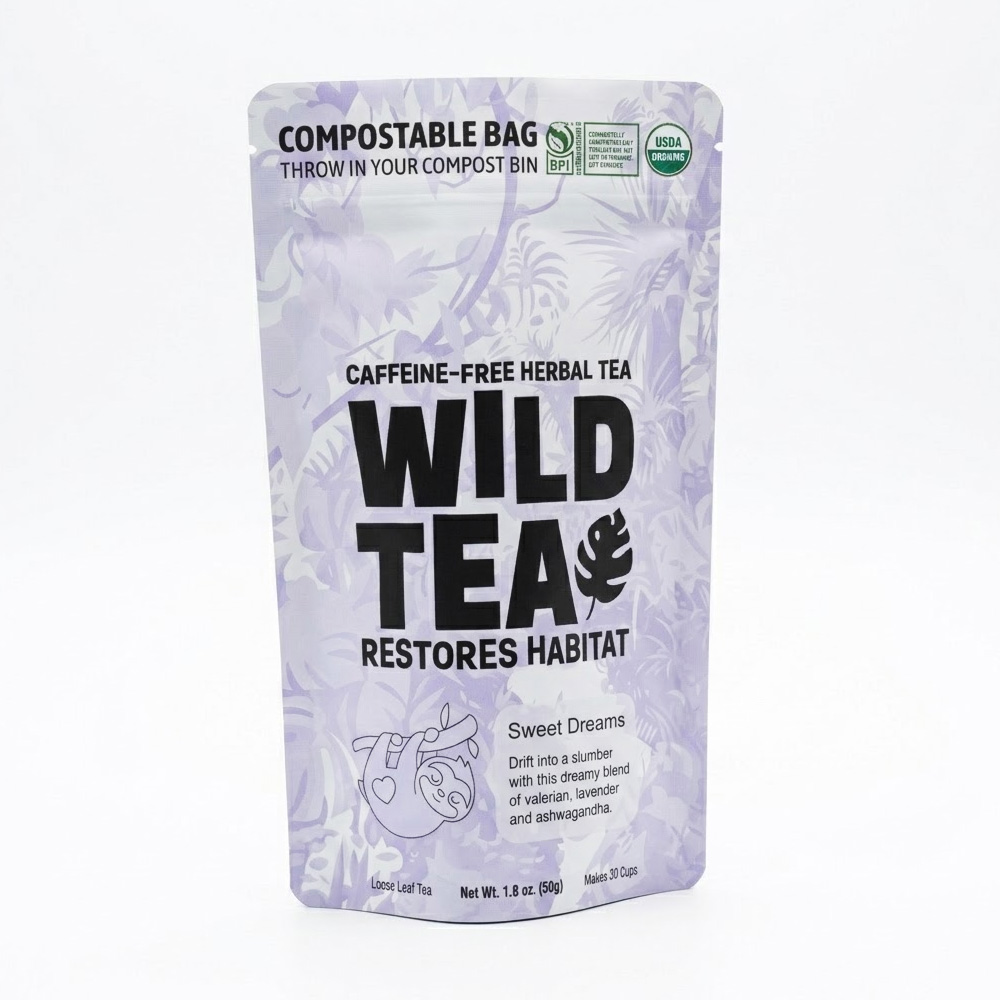
Your product's sensitivity dictates your barrier requirements. Oxygen, moisture, and uv light degrade different products at different rates. Oily snacks turn rancid when oxygen seeps through packaging. Coffee loses aroma within weeks without proper moisture barrier protection. Dry goods clump when humidity penetrates the film.
The innermost layer of your custom stand-up pouches does the critical work. This layer contacts your product directly and controls what passes through. Outer layers handle durability and printability instead. A strong sealant layer prevents leaks. A tough outer film resists punctures during shipping.
Material choice determines barrier properties. PET 12 film allows oxygen transmission of 85 cc/m²·24h and water vapor transmission of 55 g/m²·24h. Metallized PET (VMPET 12) cuts those values to 2 cc/m²·24h and 2 g/m²·24h respectively. That difference matters enormously for oxygen-sensitive products. Recyclable multi-layer films with EVOH achieve oxygen transmission below 1 cc/m²/day. Compostable high-barrier structures top out lower than foil performance. Foil and metallized layers are excluded from industrial composting.
High-barrier materials extend shelf life to 12–24 months. Compostable options typically deliver shorter protection windows. Your target shelf life should guide material selection more than thickness adjustments.
Design aesthetics also depend on your chosen materials. Multi-layered materials with foil or metallized cores block light and moisture effectively. They also limit how colors and finishes appear on the final pouch. Transparent EVOH structures let you showcase the product inside. Each barrier material carries trade-offs among durability, shelf-life, and visual appeal. Balance strength, barrier protection, and finish options against your brand's priorities before committing to a structure.
Cost differences emerge at multiple stages. Sourcing, printing, sealing, and shipping all affect final pricing. Compostable materials cost 20–40% more than conventional plastic at low volumes. Above 5,000 units, the premium drops to 10–15%. Certified recycled materials sit within 5% of conventional pricing. That gap matters when you choose custom stand-up pouches.
|
Material option |
Reported unit cost (mailers) |
Price vs. conventional |
|---|---|---|
|
Compostable plant-based |
$0.25–$1.25 |
20–40% higher at low volumes |
|
GRS-certified recycled plastic |
$0.15–$0.90 |
Within 5% |
|
Virgin plastic |
$0.10–$0.80 |
Baseline |
Long-term costs extend beyond the pouch itself. Recyclable films often integrate with existing sealing equipment. Compostable structures may need lower sealing temperatures or shorter dwell times. Do not weigh price alone. Factor in durability, shelf-life, and visual appeal. A cheap film that fails in transit costs more than a premium film that protects. Your target shelf life determines the necessary barrier. A packaging partner like Bioflexi can test both material families side by side, so you compare price and shelf-life before committing.
Your customers read labels. They also read between them. A claim without proof becomes a liability. For stand-up pouch packaging, the FTC Green Guides set the ground rules. You may call a pouch recyclable only if recycling facilities serve at least 60% of consumers where you sell. Otherwise, add "check locally." For compostable claims, substantiation is required where industrial composting is not widely available.
Certifications anchor your message. BPI certification requires ASTM D6400 for plastic films and ASTM D6868 for compostable coatings. California's AB 1201 follows those standards. In Canada, CAN/BNQ 0017-088 applies. These tests verify real breakdown and prohibit intentionally added PFAS. Then give honest disposal instructions.
A credible story starts with accurate wording. Avoid vague terms like "eco-friendly" or "green." Claim a specific attribute instead. For custom stand-up pouch packaging, state the certification, the disposal path, and the local limitation. Greenwashing erodes trust. Show exactly where your custom standup pouches go after use. Stand-up pouches made with verified films turn a disposal question into a trust-building moment.
You have a decision framework now. Choose compostable when your customers can access industrial composting and your product holds a moderate shelf life. Choose recyclable when curbside recycling is common in your market and your barrier requirements run higher. That logic gives you a starting point, not a final answer.
Before you commit to any pouch material, ask your supplier for documentation. Request samples, technical data sheets, certification documents, and disposal guidance. A reputable supplier will provide these without hesitation.
|
Document |
What It Proves |
When to Request It |
|---|---|---|
|
Film technical datasheet |
Oxygen and moisture transmission rates, thickness, mechanical properties |
Quotation stage |
|
BPI or TÜV OK Compost certificate |
Industrial compostability for the complete assembled pouch |
Quotation stage |
|
Full-assembly certification |
Zipper, spout, adhesives, and inks included in the compostable claim |
Pre-production |
|
Recyclability verification |
Mono-material PE or PP structure and local collection availability |
Quotation stage |
|
Migration and heavy metals reports |
Food-contact safety within legal limits |
Pre-production |
|
Seal strength report |
Pouch integrity at production conditions |
Per production batch |
Ask for barrier performance data specific to your product category. General film specifications will not tell you how your stand-up pouch packaging performs with oily snacks or moisture-sensitive powders. Request composting facility acceptance records if you claim compostability. Confirm that local infrastructure actually accepts the certified material.
Test your pouches under real conditions before scaling up. Burst testing measures the pressure required to rupture seals. Drop testing simulates transit impacts. Vacuum chamber testing identifies microscopic leaks. Dye penetration testing finds channel leaks in heat seals. Conduct these tests according to established standards such as ASTM F1140 for burst testing, and repeat them at regular intervals during production.
Think beyond sustainability alone. Your fulfillment logistics, retail environment, and consumer usability all shape the right choice of materials. Flexible packaging offers a major e-commerce advantage: stand-up pouches use 80–90% less material and occupy far less transport space than rigid packaging. That efficiency matters when you ship thousands of orders.
E-commerce sales demand durability. Your pouch must survive parcel handling and transit. Recyclable mono-material films work only if their stiffness and barrier properties withstand shipping. Compostable films need extra proof of durability and barrier performance. Retail sales shift the focus to shelf impact and print quality. Durability becomes less likely to force your selection between compostable and recyclable films.
Customer use after fulfillment also matters. Daily-opening convenience may drive zipper or reclosure choices. Both compostable and recyclable films can include convenience features. Compostable options may impose stricter storage and barrier limits.
Most conventional pouch films are multi-material laminates and therefore not curbside recyclable. Recycle-ready mono-material films exist, but they may carry different barrier, stiffness, heat-resistance, or print limits. Compostable pouches suit select situations, such as when the product itself is compostable and customers cannot easily remove residue. Check barrier performance, storage conditions, and local composting infrastructure before relying on them.
No stand-up pouch is fully circular today. Weigh fulfillment durability and product-distribution conditions against recycled content, recyclability, and compostability when you choose a film.
Bioflexi offers options in both material categories. The company helps you compare performance, pricing, and environmental benefits side by side. You can test different custom stand-up pouches materials while keeping your final choice aligned with budget and shelf-life requirements. That side-by-side comparison turns a difficult decision into a confident one for your stand-up pouches packaging.
Compostable stand-up pouches suit brands when industrial composting infrastructure exists. Recyclable options fit stronger barrier needs and familiar recycling habits. Neither material wins universally.
Your custom stand-up pouches must match your product, customer base, budget, and sustainability story. Verify certifications before making environmental claims. Request samples from your supplier. Test pouches under real-world conditions before scaling up. This evidence prevents costly mistakes. Your disposal instructions should reflect local reality. Your choice affects shelf life, disposal, and brand trust.
A packaging specialist like Bioflexi can compare materials side by side. Explore compostable and recyclable films, review performance data, and choose with confidence. Take time to weigh these factors carefully.
Neither wins universally. Choose compostable pouches when your customers can access industrial composting and your product holds a moderate shelf life. Choose recyclable pouches when curbside recycling is common and your barrier requirements run higher. Your product sensitivity and local infrastructure decide the answer.
No. Compostable pouches break down only in industrial composting facilities. These facilities maintain high temperatures and controlled conditions. Most backyard bins cannot reach those conditions. A certified compostable pouch may sit intact in a home compost pile for years.
It depends on your local program. Flexible film recycling remains limited across many regions. Most curbside programs reject thin films because sorting equipment cannot process them. Check with your local facility before you print a recyclable claim on your pouch.
Request samples, technical data sheets, certification documents, and disposal guidance from your supplier. Confirm that local infrastructure accepts the material. Test pouches under real-world conditions before scaling up. These steps prevent costly mistakes and protect your brand from greenwashing accusations.
lf you would like to work with us or just want to get intouch, we'd love to hear from you!

Copyright @ 2026 Shanghai BioPouches Co., Ltd All Rights Reserved. Network Supported
leave a message