



Packaging is the first thing a customer sees and the last thing keeping the product safe. It is more than just a container. It is a promise of freshness and quality.
Jerky, freeze-dried, and baked treats each need different kinds of packaging. Pick the wrong pouch, and you risk stale products, lost sales, and a damaged brand reputation.
This guide walks you through pouch types, materials, design, sizing, sustainability, and choosing a supplier. Bioflexi is here as your trusted resource for every choice. Your pet treats packaging deserves that much care.
Key Takeaways
-
Pick the right pouch for your treat type: stand-up pouches work for most treats, and flat bottom bags work for premium brands.
-
To keep jerky and air-dried treats chewy and fresh, they need high-barrier laminates and resealable zippers.
-
Freeze-dried treats need strong moisture barriers and protection from crushing to keep their crunch.
-
Baked treats need liners that block grease and control moisture. This keeps them from crumbling and stops stains.
-
Eco-friendly pouches, such as recyclable or compostable ones, can keep treats fresh and attract customers who care about the planet.
Why Pet Treats Packaging Matters
Your pet treats packaging does more than just hold the product. It makes the first impression for your brand. A customer sees the package before they try the treats. That moment decides if they pick up your product or walk past it.
Bad packaging protection makes treats go stale. Moisture, oxygen, and light all hurt the quality inside. Crumbly baked goods lose their texture. Chewy jerky dries out. Freeze-dried pieces soak up humidity. Customers notice stale products fast. They stop buying. Your brand reputation takes a hit.
Protecting Freshness and Shelf Life
Freshness starts with the right materials. Your pet treat packaging bags must block moisture and oxygen. High-barrier films build a shield around the product. They keep outside elements out. They lock flavor and smell in for a long time.
Think about the trip your treats take. They sit in warehouses. They ride on delivery trucks. They wait on retail shelves. A weak container lets freshness escape on that trip. A strong one keeps it and extends shelf life. High-quality pet treat packaging bags fix this problem.
Resealable features add another layer of protection. Customers open the bag, take out a few treats, and close it back up. What's left stays fresh for the next use. This simple addition extends the product's life at home. Pet owners love the convenience.
Building Brand Trust and Repeat Sales
Quality packaging signals quality inside. When a customer picks up a well-made bag, they assume the treats inside are just as good. A flimsy bag sends the opposite message. It makes people doubt the product right away.
Trust builds through consistency. Every time a customer opens a new pouch, the product should look and smell the same. Reliable packaging makes that possible. Your pouches become a promise you can keep with every purchase.
Repeat purchases follow trust. A customer who enjoys fresh food will come back for more. They will tell their friends about your brand.
Bioflexi understands these needs. We design pouches that protect your product and your reputation. Your pet treat packaging bag from Bioflexi balances barrier performance with practical features that pet owners value.
Pouch Types for Pet Treats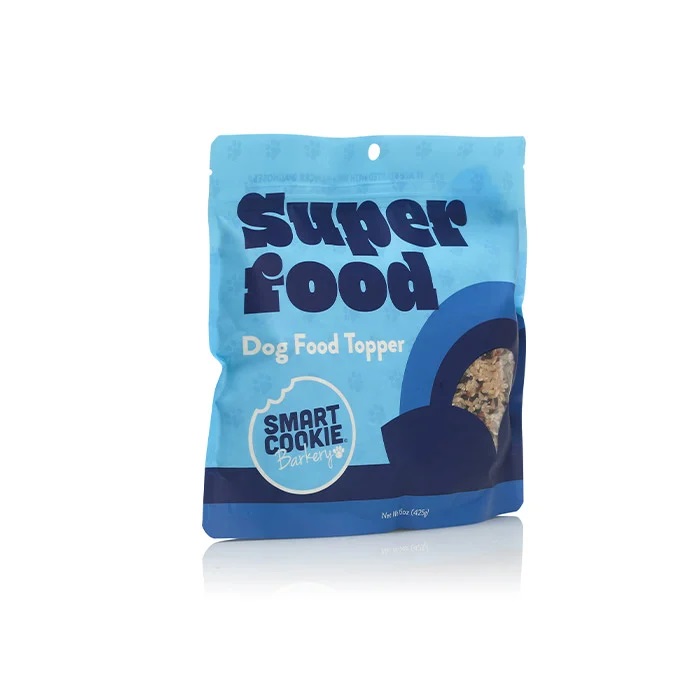
The pouch you pick changes how customers see your product. Different types meet different needs. You need a style that fits your treats and your brand image.
Stand-Up Pouches for Retail Versatility
A stand up pouch for pet treats is the top choice on store shelves today. This type works well for jerky, freeze-dried, and baked goods. The pouch stands on its own and uses less shelf space, so retailers like that. The large front panel gives you space for bold graphics and brand colors. You can add a resealable zipper to keep treats fresh after opening. A clear window lets shoppers see the product inside, which builds trust. These pet treat packaging bags fit many treat types without custom tooling. That makes them a smart first choice for most brands.
Flat Bottom Bags for Premium Brands
Flat Bottom Pet Food Bags have a sturdier build and a more upscale look. They sit flat and keep their shape on the shelf. They use materials like aluminum or metalized film to block oxygen and moisture, which keeps treats fresh longer. Resealable pull-tab zippers make storage easy for pet owners. Eye-catching designs, UV spot finishes, and foil stamping boost the premium feel. Kraft paper outsides and soft-touch matte finishes give a natural, artisanal look. A velvety texture tells shoppers the treats inside are high quality. When a package feels solid, customers think the treats are just as good.
Here is how flat bottom bags compare to quad seal pouches:
|
Feature |
Flat Bottom Bags |
Quad Seal Pouches |
|---|---|---|
|
Shelf Stability |
Excellent |
Moderate |
|
Branding Surface |
Large and prominent |
Smaller |
|
Durability |
Good |
Superior |
|
Storage Capacity |
Moderate |
High |
For premium brands that want visibility and beauty, flat bottom bags win. Stand-Up Dog Treat Pouches and flat pouches also serve specific needs. Flat pouches work well for single-serve samples. Side-gusseted options fit bulk orders. Your pet treats packaging should match your product and your market. Bioflexi helps you pick the right format for your pet treat packaging bag needs.
Packaging Requirements for Jerky and Air-Dried Dog Treats
Jerky and air-dried dog treats need more from packaging than baked goods do. These products have more moisture and fat. They need strong protection. Basic printed films will not work here. You need high barrier laminates for treats that last a long time.
High-Barrier Laminates for Moisture and Grease
A high-barrier laminate puts multiple material layers into one strong sheet. Each layer does a certain job. Common base materials include PET, VMPET, aluminum foil, LDPE, BOPP, PA (nylon), Kraft paper, metallized PET, and AlOx or SiOx-coated PET. You can pick from many laminate structures to stop grease migration. Popular options include:
-
PET / AL / PE
-
PET / VMPET / PE
-
BOPP / VMPET / PE
-
Matte BOPP / VMPET / PE
-
PA / VMPET / LDPE
-
PET / PA / LDPE
These structures block grease from leaking through the pouch. Grease resistance is key for jerky products. Without it, oil stains ruin the package look and weaken the seal. Your jerky pet treat packaging bags must also control moisture and oxygen. Look for these performance targets:
-
Oxygen transmission rate (OTR): less than 3 cm³/m²/day
-
Moisture vapor transmission rate (WVTR): less than 0.5 g/m²/day
A strong moisture barrier keeps jerky and dried meat chewy instead of brittle. A solid oxygen barrier stops rancidity and preserves flavor. Together, these properties extend shelf life and protect your brand.
Resealable Zippers for Chewy Texture Preservation
Chewy textures fade fast once air hits the product. A resealable zipper pouch fixes this problem. Hook-to-hook zippers create a tight seal that locks in moisture. Customers open the bag, take out a few treats, and press the zipper closed. The remaining air-dried treats stay soft and fresh.
This feature matters for repeat sales. A resealable pet treat bag keeps the product enjoyable to the last piece. Without it, the bottom of the bag holds hard, stale treats. Customers remember that bad experience. They may not buy again.
Seal integrity also plays a role. A weak seal lets air sneak in around the edges. High-quality pouches keep a strong bond from top to bottom. You should test every batch to confirm the seal holds under pressure.
Your packaging requirements for air-dried dog treats should include both barrier films and reliable zippers. These two features work together. The film blocks outside elements. The zipper keeps freshness inside after opening. For brands selling air-dried dog treats, this combination is not optional. It is the baseline for quality.
Bioflexi builds pouches that meet these standards. Our high-barrier laminate options and hook-to-hook zippers give your air-dried dog treats the protection they need. You get packaging that preserves texture, prevents grease stains, and keeps customers coming back.
Packaging Requirements for Freeze-Dried Treats
Freeze-dried treats make light, airy pieces with a crunchy bite. That texture makes them break easily. It also makes them soak up moisture fast. When you open the package, the pieces pull water from the air. Your packaging for this type must do two main jobs: keep moisture out and protect the pieces from crushing.
High-Barrier Films for Crush and Moisture Protection
A single-layer film cannot do the job here. You need a multilayer structure with a real moisture barrier. The water vapor transmission rate (WVTR) should be near 0.1 g/m²/24h. The oxygen barrier matters too, because moisture and oxygen work together. Keep the oxygen transmission rate (OTR) below 0.1 cc/m²/24h.
The material you pick decides if you hit these targets:
-
PET/AL/PE (aluminum foil) gives the strongest barrier, with OTR and WVTR under 0.1
-
PET/VMPET/PE (metallized PET) gives a medium-strong barrier, with both rates under 1.0
-
Basic PET/PE fails here, with OTR above 50 and WVTR above 10
Common moisture-blocking materials include polyethylene (PE), polypropylene (PP), ethylene vinyl alcohol (EVOH), aluminum foil, and polyamide (PA). A strong inner sealant layer, like LLDPE, stops tiny leaks that ruin a good moisture barrier. Desiccants can soak up any leftover moisture inside the pouch.
Breakage protection comes from the structure, not just thickness. A pillow pouch with too much empty space lets pieces fall and break apart. Stronger packaging that blocks moisture and prevents breakage holds its shape and cushions the contents. That is why freeze-dried pet treat packaging often uses a slightly stiff laminate instead of a soft, floppy film.
Light and Aroma Retention for Freeze-Dried Treats
Light kills value fast. UV light breaks down vitamins A, B, and E along with amino acids in freeze-dried dog treats. This change ruins the flavor and speeds up oxidation. Opaque or reflective layers block these light waves. Clear windows look nice, but they let light through and nutrients fade. Balance visibility with protection when you design your pouches.
Aroma makes dogs want the treats. Dogs rely on smell much more than taste. Oxygen turns fats bad and strips the compounds that carry that meaty smell. An airtight seal slows spoilage and keeps those aromas locked in. Reclosable pouches extend that protection during daily use.
The FDA says to keep dry pet food and treats in a cool, dry place under 80°F. A pantry shelf inside is better than a garage, a sunny counter, or a parked car. Your pouch helps with that habit, but it cannot fix bad storage on its own.
For long-term storage, vacuum sealer bags work well. They pull out the air and hold a tight seal. Store pouches handle the shelf. Vacuum bags handle the stockroom. Together, they cover the full life of the product.
Freeze-Dried vs Air-Dried Dog Treats
These two treat types look alike on a shelf. But they act very differently inside the bag. You need to know both before you pick your pouches.
Key Differences in Texture and Moisture Content
Freeze-dried treats go through a cold vacuum process. The ice inside the food turns straight into vapor. This step leaves a light, porous, crisp piece that breaks with little pressure. The texture feels a bit crumbly. A piece softens fast once it touches water.
Air-dried dog treats take a slower path. Warm air pulls moisture out over many hours. The result is a dense, chewy bite with an almost jerky-like feel. It gives a dog a hearty chew. Air-dried treats hold their shape better than freeze-dried ones.
|
Production Method |
Texture Description |
|---|---|
|
Freeze-dried |
Light, porous, crisp, easy to break |
|
Air-dried |
Dense, chewy, jerky-like |
Shelf life is different too. Freeze-dried pieces stay stable for a long time when sealed. Air-dried treats also keep well, but their oils and fats need more care.
How Packaging Needs Differ Between the Two
The freeze-dried vs air-dried dog treats debate comes down to barrier needs. Freeze-dried treats need a strong moisture barrier, oxygen control, and careful headspace management. Crushing and fines are real risks. Reseal performance matters every time a customer opens the bag.
Air-dried dog treats face a different checklist. Oil transfer, irregular edges, puncture resistance, pouch fit, and seal cleanliness top the list.
|
Packaging concern area |
Dehydrated (air-dried) treats |
Freeze-dried treats |
|---|---|---|
|
Key packaging checks |
Oil transfer, irregular edges, puncture resistance, pouch fit, seal cleanliness |
Moisture barrier, oxygen control, headspace, crushing, fines, reseal performance |
Your packaging requirements shift with each type. Multilayer structures such as PET / METPET / PE deliver high barrier performance and strong seals for both. For freeze-dried treats, the pouch acts as part of the preservation system. Oxygen absorbers may help some products. Damaged seams, broken zippers, or visible condensation signal trouble.
Bioflexi builds tailored solutions for both categories. You get the right film, seal, and closure for your specific treat.
Pouch Materials for Baked Treats
Baked treats need a careful balance. They must stay dry enough to crunch, but not so dry that they crack. Moisture control affects safety, bite, smell, and fat stability all at once. A biscuit can pass a normal moisture test and still crack later. This happens when the outside dries much faster than the inside. Surface drying creates hidden weak spots. Your packaging must keep that balance from the oven to the customer's hand.
Cool your baked goods all the way before bagging. Warm product traps heat inside the pouch. Moisture then moves from the center to the surface. Condensation forms inside the package. Local water activity rises, and mold risk goes up. Strict moisture control at this step protects both texture and safety.
Moisture Control for Crumbly Textures
Crumble rarely comes from one cause. Vibration, fragile structure, and headspace movement work together. Powder at the bottom of the pouch means there is too much room for the product to shift. Cracking after a humidity change points to moisture pickup. That pickup softens edges and weakens the structure. Breakage during fulfillment often comes from compression and drops in the pick-and-pack stage.
A pouch can show excellent oxygen performance and still cause crumble returns. The moisture vapor transmission rate may be too high for a humid route. The pack may also be too flexible for the distribution environment. Fix these issues by reducing headspace movement, adding stiffness, and improving your case pack. Lower the MVTR of your structure and control humidity in storage. These steps keep baked treats intact through the full journey.
Grease-Resistant Liners and Structural Support
Butter and oil in baked treats can stain a pouch from the inside. Grease-resistant liners solve this problem. Parchment paper gets a smooth, release-friendly surface, often coated with silicone for non-stick performance. Greaseproof paper uses chemical wood pulp, bamboo pulp, or other plant fibers. Refining, internal sizing, and calendering raise its density and shrink its pore size. Some greaseproof papers also include oil-repellent agents or sizing chemicals.
Structural support matters just as much. A resealable pet treat bag with a stiff laminate holds its shape and cushions the contents. For most dry dog treats, including baked goods, resealable high-barrier stand-up pouches are the best all-around option. They block moisture, resist grease, and let customers reseal the bag after each use. Your pouches then protect texture from the first treat to the last.
Design Features That Drive Sales
The design on your pet treat packaging bag does more than look nice. It talks right to pet owners and shows them your treats are worth buying.
Clear Windows, Colors, and Typography
A clear window on your pouches lets customers see the treats inside. This openness builds trust right away. Shoppers can check the quality, texture, and color of your treats before they buy. For premium or naturally colored treats, seeing the product proves it looks good. But a window can weaken the barrier. A partial window is a smart middle ground. It shows the product while keeping strong protection.
A custom stand-up dog treats pouch with a special window shape boosts trust and makes people want to buy. One option pairs an oval display window with a matte finish and a high-barrier structure. This design lifts a brand's market presence. Another approach uses a high-clarity window on a PA/PE back-seal pouch for bulk feed. Your choice of window size and placement must balance visibility with bag strength.
Colors and typography also drive sales. Bright, pet-friendly colors grab the eye on crowded shelves. Bold, readable fonts make product names easy to spot. These elements help your package stand out.
Labeling and Nutritional Information Placement
Your pet treat packaging bags must meet legal standards while staying easy to read. The Principal Display Panel on the front must show the brand, product name, intended species, and net quantity. This helps customers find your product fast.
The information panel on the back or sides holds the guaranteed analysis, ingredient list in descending order by weight, nutritional adequacy statement, feeding directions, and manufacturer information. For treats not meant as complete and balanced, the label must state "intended for intermittent or supplemental feeding only." Place this statement as part of the nutritional adequacy statement.
Clear placement helps customers make smart choices. Well-organized labels keep your brand compliant. Custom printed designs let you arrange elements cleanly and professionally. Custom printed pet treat packaging bags can set your brand apart on crowded shelves. Every element on your pouches works to build trust and drive sales.
Sizing and Format Options
Pouch sizes range from single-serve packets to bulk bags. A single-serve pouch holds one or two treats. It works well for training rewards and sample giveaways. A mid-size pouch fits everyday use for most households. Bulk sizes serve large families, kennels, and subscription boxes. Your product format selection should match how customers actually use your treats. A training treat sells best in small packs. A daily chew suits a larger bag.
Small pouches also lower the entry price for new customers. Shoppers take a chance on a brand when the cost is low. Once they trust your treats, they trade up to bigger sizes. Offering several sizes lets you capture both first-time buyers and loyal fans.
Custom Shapes for Brand Differentiation
Custom shapes and dimensions set your brand apart. Custom dog treat packaging improves brand recognition through unique, eye-catching designs that help a product stand out on crowded shelves. That distinctiveness grabs shopper attention and creates a memorable impression, which can encourage repeat purchases. Custom packaging also lets a brand reflect its values and quality commitment, reinforcing a recognizable and trustworthy identity in the pet treat market.
Custom work strengthens your identity in several ways:
-
Consistent logos, colors, and messaging build trust and quality associations.
-
Professional visuals and unique features create a strong first impression.
-
Playful patterns, minimalist design, or eco-friendly materials separate you from competitors.
-
Over time, customized packaging supports stronger brand recognition, greater customer loyalty, and higher sales.
Affordable Options for Small Producers
Flexible barrier packaging is affordable and effective for small producers. You do not need huge volumes to get quality pouches. Low minimum order quantities let you test a design before you commit to a large run. Stand-Up Dog Treat Pouches with custom printing give small brands the same shelf presence as big competitors. You can start small, learn what sells, and scale up. That path keeps your costs low while your brand grows.
Sustainable Pouch Options
Pet owners today really care about the environment. They want brands that share their values and take real action. The packaging you choose sends a strong message about your commitment to sustainability. Recyclable and compostable film technologies can now protect your treats and the planet at the same time.
Recyclable and Compostable Film Technologies
Recyclable options use mono-material structures instead of mixed layers. A single material like polyethylene or polypropylene is easier to handle in current recycling systems. These pouches still give strong barrier performance. They block moisture and oxygen well. You get the protection your treats need without the environmental cost of multi-material laminates.
Compostable films give eco-conscious brands another choice. These materials break down in commercial composting facilities. They go back to the earth without leaving harmful leftovers. The technology has gotten much better in recent years. Modern compostable films match the seal strength and print quality of regular materials. You can use them for short-shelf-life products or dry treats that move through inventory fast.
Both options need careful testing. The product must stay fresh through its full shelf life. Work with your supplier to confirm that a recyclable or compostable structure meets your barrier needs. Some products need the higher protection of traditional laminates. Others do just fine in eco-friendly alternatives.
How Bioflexi Supports Sustainability Goals
Bioflexi helps you find the right balance between sustainability and performance. We offer Recyclable Pet Food Stand Up Pouches that use mono-material structures. These pouches keep the barrier properties you need while supporting recycling programs. You get a package that protects your product and matches your brand values.
Flat Bottom Pet Food Bags also come in sustainable setups. These premium formats use recyclable films or include post-consumer recycled content. Stand-Up Dog Treat Pouches with eco-friendly materials are another choice for your dog treats. You pick the format that fits your brand while cutting environmental impact.
Eco-conscious packaging sells. Many pet owners actively look for brands with sustainable packaging. They read labels and make choices based on environmental impact. Your investment in sustainable pouches tells customers you care about the same things they do. That connection builds loyalty and drives repeat purchases for your brand.
How Packaging Impacts Sales
Shelf Presence and Competitive Differentiation
Your pouch has to grab attention in a busy aisle. A shopper passes many brands in just seconds. Strong shelf presence makes them stop. Bright colors, clear windows, and neat lettering catch the eye. A flat bottom bag keeps its shape and stands taller than a weak competitor. That solid build shows quality before anyone reads a word.
Standing out starts with what shoppers see. A special shape or finish makes your brand easy to remember. Clean-label snacks are helping brands get repeat buyers in the pet treat market. Makers use natural ingredients and eco-friendly packaging to create new products that meet health rules. As more consumers care about sustainability, brands that focus on green practices get an edge. Your packaging choices directly affect how buyers compare you to the brand beside you.
Driving Repeat Purchases and Loyalty
Good packaging quality brings customers back. A study in South Korea on pet food selection found that convenience factors—packaging usability, ease of feeding, and storage convenience—strongly affect customer satisfaction. That satisfaction builds loyalty, and loyalty leads to repeat purchases. A resealable pouch that keeps treats fresh to the last piece creates that cycle. A bag that goes stale halfway through breaks it.
Shoppers notice the whole experience. One pet owner shared this view:
"I've been really impressed by how brands are stepping up their game with eco-friendly packaging. It's such a relief knowing I'm reducing my carbon footprint while keeping Max happy. It feels good to support companies that use biodegradable materials and actively work to reduce plastic waste."
That emotional bond turns a one-time buyer into a loyal fan. Packaging is a smart investment, not just a basic item. Every dollar you spend on better materials and smarter design pays off through stronger sales and lasting customer relationships.
Choosing the Right Pouch Supplier
A good supplier keeps your product safe and your schedule on track. A bad one costs you money and customers. You need a partner who knows about barrier science, print quality, and delivery timelines.
Evaluating Material Quality and Certifications
Start with the film structure. Ask your supplier to confirm the oxygen transmission rate and moisture vapor transmission rate for each pouch option. These two numbers show how well the material blocks air and water. A supplier who cannot provide them is just guessing.
Request food-contact certifications next. Look for FDA-compliant materials and paperwork that proves the film is safe for direct food contact. If you sell in Europe, ask about EU food-contact compliance. Certifications show that your supplier follows established safety rules.
Lead times matter just as much. Ask for a realistic production window and a sample timeline. A supplier who promises fast delivery without proof may miss your launch date. Request references from other pet treat brands. Their experience tells you more than any sales pitch.
Why Bioflexi Streamlines the Process
Bioflexi takes the guesswork out of packaging decisions. We match your product to the right film, closure, and format. Our team checks your moisture and oxygen targets before recommending a structure. You get a pouch made for your specific treat type, not a generic option.
We supply custom high-barrier, odor-proof pouches for jerky, freeze-dried treats, and baked items. Odor-proof films keep smells inside the bag, which matters for smelly jerky and meaty freeze-dried treats. Your customers smell freshness when they open the pouch, not stale air.
Bioflexi also helps small producers. Low minimum order quantities let you test a design before a large run. You can start with a small order, check how the treats sell, and scale up. Our team stays with you through sampling, printing, and final delivery. That support saves time and prevents costly mistakes.
Packaging is not a commodity. It is a strategic part of your product. It preserves freshness, communicates your brand values, and influences buying decisions.
Before you choose a pouch, evaluate three things. What is your treat type? Who is your target customer? Where will you sell? Your answers point to the right format.
Bioflexi offers tailored pouch solutions for jerky, freeze-dried, and baked treats. Explore options that match your brand goals.
The pet treat market keeps growing. Smart packaging gives you a real chance to stand out. Start with the right pouch, and your brand can lead.
FAQ
Which pouch type works best for most pet treats?
A stand-up pouch fits jerky, freeze-dried, and baked treats well. It stands on the shelf, holds bold graphics, and accepts a resealable zipper. Flat bottom bags suit premium brands that want a sturdier, upscale look. Pick the format that matches your treat and your retail channel.
Do jerky treats really need a high-barrier laminate?
Yes. Jerky carries more moisture and fat than baked goods. A basic printed film lets grease and air through. Choose a high-barrier laminate with a low oxygen and moisture transmission rate. This keeps the meat chewy and stops rancidity.
How do I protect freeze-dried treats from crushing?
Use a slightly stiff multilayer film instead of a soft, floppy one. Reduce empty headspace so pieces do not tumble and break. Keep the moisture barrier strong, since freeze-dried pieces soak up humidity fast. A firm structure cushions the contents through shipping and shelf life.
What is the best pouch for baked treats?
A resealable high-barrier stand-up pouch works best for most dry baked goods. It blocks moisture, resists grease, and lets customers reseal the bag after each use. Add a grease-resistant liner and enough stiffness to prevent crumbling during fulfillment.
Can I choose sustainable pouches without losing freshness?
Yes. Mono-material recyclable films and compostable options now deliver strong barrier performance. Test your product through its full shelf life before you commit. Many pet owners actively seek eco-friendly packaging, so sustainability can become a selling point for your brand.

 Network Supported