

Author
Marie R. Winters


Stand-up pouches impact product shelf life by providing superior barrier films, robust heat seals, and resealable features. These elements block oxygen, moisture, and light that degrade food quality. Product spoilage costs you money and creates unnecessary waste. You can extend shelf life significantly by selecting a stand up pouch with the right material structure. A properly designed stand up pouch protects your product for months longer than standard pouches. Whether you need stand up food pouches for snacks or dry goods, the right packaging makes a measurable difference.
Stand-up pouches with high-barrier films block oxygen, moisture, and light, extending shelf life to 18-24 months for sensitive products.
Multi-layer structures like PET/AL/PE provide superior protection, with oxygen transmission rates below 0.01 cc/m²/day.
Proper heat sealing and resealable zippers maintain freshness after opening, reducing waste and improving convenience.
Retort pouches withstand high-temperature processing, offering 24 months of shelf life and 7 days of freshness after opening.
Testing OTR, MVTR, and seal strength ensures your pouch meets shelf life goals, balancing cost and sustainability.
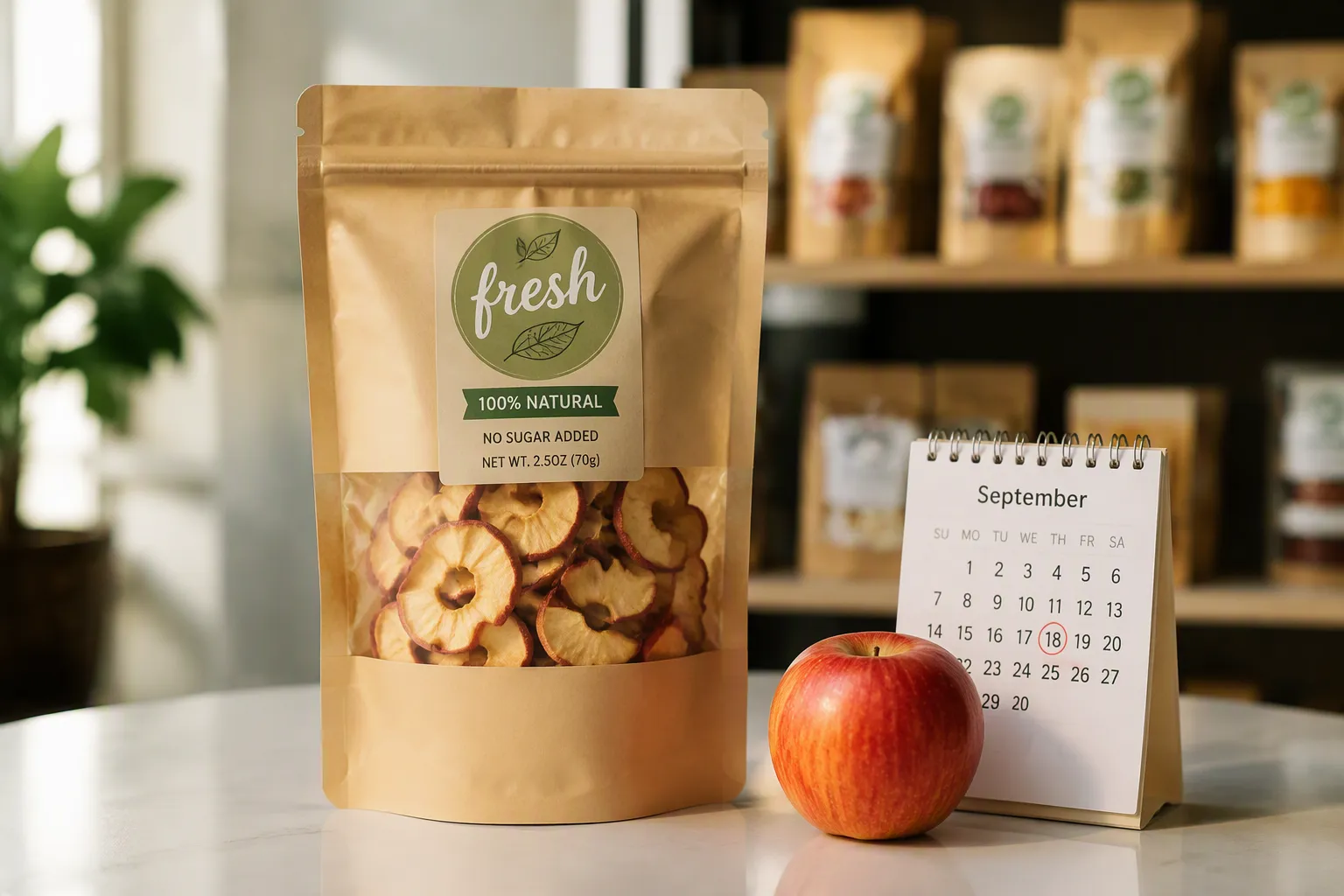
You face four primary enemies when storing food: oxygen, moisture, light, and temperature fluctuations. Each one triggers distinct chemical reactions that degrade quality. Oxygen causes oxidation, leading to rancidity in fats and color changes in produce. Moisture encourages microbial growth and hydrolytic spoilage. Light catalyzes the breakdown of vitamins like A, B2, and C, while also fading natural pigments.
Staling in baked goods follows a specific chemical pathway called starch retrogradation. When bread cools after baking, amylose molecules begin bonding with each other instead of water. This process expels moisture from the starch structure, creating a gritty, firm texture. A second stage involves amylopectin retrogradation, which proceeds slowly during storage. Together, these molecular realignments produce the rigid crumb and dry mouthfeel you associate with stale bread. Notably, this happens even when the product remains tightly wrapped, because the moisture leaves the starch crystals rather than evaporating outward.
A stand up pouch with a proper barrier film interrupts these destructive reactions at the package level. Multi-layer structures combine materials like PET, aluminum, and polyethylene to create a near-impermeable shield. The aluminum layer deserves special attention. Its reflective metallic surface blocks UV and visible light exposure, reducing nutrient degradation, color fading, and flavor deterioration. This same layer also blocks oxygen, moisture, and odors, making it ideal for sensitive products like coffee, nuts, and supplements.
The performance difference is substantial. Products in foil laminate stand-up pouches can achieve extended shelf life for oxygen-sensitive items. Standard single-layer films fall far short of this duration. You can also choose custom stand up pouches with specific barrier properties matched to your product's sensitivity. For consumers, stand up zipper pouches add resealability, maintaining freshness after opening. If sustainability drives your decision, compostable stand-up pouches offer lower environmental impact, though you may trade some barrier performance. Remember that packaging is not merely a container; it actively contributes to product stability and quality retention. The right barrier film slows chemical reactions, preserves nutrients, and keeps your food fresh for months longer than inadequate alternatives.
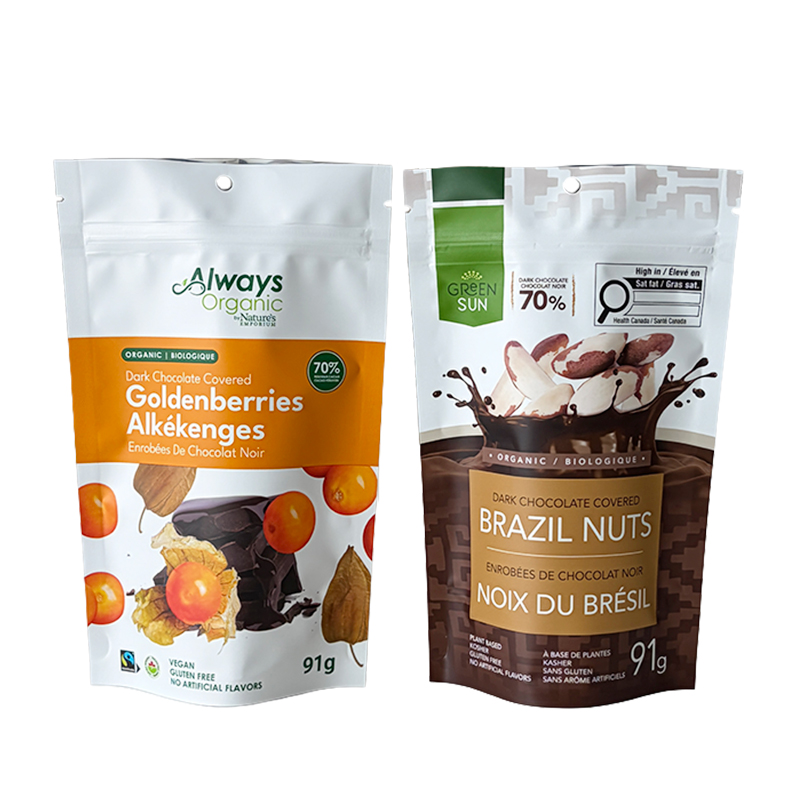
The way stand-up pouches impact shelf life begins with multi-layer construction. Each layer serves a specific function. The outer PET layer provides printability, tear resistance, and structural integrity. The middle aluminum foil layer creates a near-impenetrable barrier against oxygen, UV light, moisture, and odor. The inner PE layer contacts your product directly and makes the bag heat-sealable. This three-layer architecture places aluminum foil as the central blocking layer, sandwiched between PET for durability and PE for sealability.
You can select from several standard film structures depending on your product sensitivity. The table below compares common options.
|
Structure |
O₂ Protection |
Moisture Protection |
Light Protection |
Puncture Resistance |
Typical Applications |
|---|---|---|---|---|---|
|
PET/AL/PE |
Excellent |
Excellent |
Excellent |
Very Good |
Coffee, Pet Food, Pharmaceuticals |
|
PET/EVOH/PE |
Excellent |
Very Good |
Good |
Very Good |
Protein Powder, Dairy, Sauces |
|
PET/MPET/PE |
Very Good |
Very Good |
Very Good |
Very Good |
Snacks, Nuts, Confectionery |
|
PET/NY/PE |
Good |
Very Good |
Good |
Excellent |
Frozen Foods, Meat, Seafood |
The PET/AL/PE combination achieves O₂ transmission rates below 0.01 cc/m²/day and moisture vapor transmission rates below 0.01 g/m²/day. Standard PET/PE films typically allow 100-200 cc/m²/day of O₂ transmission. This massive difference, orders of magnitude in performance, explains why your product stays fresh for months longer in a stand up pouch with a strong barrier. The aluminum foil acts as the powerhouse, creating a near-impenetrable shield that outperforms metallized or plain polymer films against oxygen.
EVOH layers offer an alternative protection solution. This segment represents the fastest-growing application for EVOH, driven by demand for lightweight, convenience-oriented formats. EVOH prevents flavor loss, preserves vitamin C, and contains flush gases used in modified atmosphere systems. It also blocks oxygen and off-odors from other food during transport and storage. Applications include meat, cheese, snacks, coffee beans, and powdered milk.
Bioflexi offers custom stand up pouches with material structures tailored to your product sensitivity. Whether you need maximum protection for oxygen-sensitive items or a balanced solution for moderate-barrier products, you can choose the right film combination. The engineering team assists you in selecting the correct structure and features to match your shelf life goals.
A barrier film only works when the seal remains intact. Stand-up pouches rely on heat sealing to create a hermetic closure. The optimal temperature range is 375°F–420°F (190°C–215°C). This fuses the inner LLDPE layer without scorching the outer PET layer. Pressure and dwell time must be calibrated based on material thickness. Thicker materials require increased pressure and longer dwell time to push heat through outer layers. The interrelationship between these three variables matters. Altering one requires precise adjustments to the others to prevent material failure.
The EN 868-5 standard specifies a minimum seal strength of 0.46 lbf/inch. Meeting this standard prevents post-packaging contamination. Without a proper seal, oxygen can enter the pouch, defeating the purpose of your barrier film. A failed seal compromises the entire package, allowing moisture and microbes to reach your product.
Resealable closures add a second layer of protection. Stand up zipper pouches protect the product during initial shelf life and maintain freshness after opening. This extends the usable life and adds convenience from the consumer perspective. You can open the pouch, take what you need, and reseal it without losing the protective atmosphere inside. The zipper mechanism preserves the modified atmosphere or vacuum environment you created during the filling process, reducing waste and improving the user experience.
For brands that prioritize sustainability, compostable stand-up pouches offer lower environmental impact. You may trade some barrier performance, but the trade-off can be acceptable for products with moderate shelf life requirements. The key is matching the closure type and material structure to your specific product needs. The right combination of barrier film and seal integrity gives you a packaging solution that delivers both protection and convenience.
Dried fruit, nuts, and freeze-dried snacks demand serious protection from oxygen. These products contain unsaturated fats that oxidize quickly when exposed to air. You need a stand up pouch with a high-barrier film to keep these items fresh. A regular stand-up pouch works well for dry goods like nuts, offering a low-cost, attractive alternative to flat bags. For premium retail placement, a flat bottom pouch with a zipper and matte finish delivers both presentation quality and strong protection.
Moisture-sensitive items like dried fruits benefit from stand up zipper pouches. The resealable closure prevents prolonged air exposure after each opening, extending the usable life of the product. You can also add an oxygen absorber inside the pouch to scavenge residual oxygen that remains after sealing. This combination of barrier film and active scavenging creates a near-zero oxygen environment. For value-driven markets, a back seal or gusset pouch provides cost efficiency without sacrificing essential protection. Single serving pouches offer another practical option, letting consumers open one portion without exposing the entire batch to air.
Retort pouches take protection to another level entirely. These pouches withstand extreme processing conditions that destroy spoilage microorganisms. According to manufacturer specifications, retort stand-up pouches handle maximum processing temperatures of 250°F (121°C). You must process the product at this temperature for a minimum of 50–55 minutes to achieve proper sterilization. This heat treatment creates a shelf-stable product that requires no refrigeration until opening.
The shelf life comparison between retort pouches and traditional metal cans reveals surprising results. Both packaging formats deliver 24 months of ambient shelf life for similar food products. The real difference appears after opening. Retort pouches keep food fresh for about 7 days, while canned goods only last 3-4 days. This post-opening advantage reduces waste and improves the consumer experience for shelf-stable heat-and-eat meals.
Your choice of material and closure type should follow your product's specific characteristics. Water activity, fat content, and light sensitivity all influence the right packaging decision. No single solution fits every product. Bioflexi's engineering team helps you select the correct film structure and features for your product matrix. Whether you need custom stand up pouches with specialized barriers or compostable stand-up pouches for moderate shelf life requirements, the right partner guides you toward the optimal solution.
You need hard data before committing to a new format. Three measurements give you the clearest picture of protective performance. The first is oxygen transmission rate (OTR). The standard testing method for measuring OTR in flexible films follows ASTM D3985. This method uses a coulometric sensor to determine the oxygen permeability of the material. The second is moisture vapor transmission rate (MVTR). ASTM F1249 governs this test, performed at 38°C and 98% relative humidity, with results expressed in g/m² or g/100 in². The third is seal strength. The primary standard is ASTM F88, which measures the force required to separate a seal and identifies the failure mode. ISO 11607 acts as a complementary standard, setting minimum seal strength based on process capability.
The table below summarizes the recommended seal strength testing protocols for a stand-up pouch.
|
Protocol Element |
Recommended Practice |
|---|---|
|
Primary Standard |
ASTM F88 – measures force to separate seal, identifies failure mode |
|
Complementary Standard |
ISO 11607 – sets minimum seal strength based on process capability |
|
Sample Preparation |
Cut test strips to ASTM F88 dimensions; condition samples |
|
Equipment Calibration |
Regular calibration; use certified weights to verify load cell |
|
Testing Conditions |
Control temperature and humidity; consistent speed and grip separation |
|
Data Analysis |
Use statistical methods; evaluate failure modes; compare to acceptance criteria |
You should also conduct accelerated studies. These studies project real-world performance by exposing your pouch to elevated temperature and humidity. The results validate whether your chosen stand up pouch meets your target expiration date. For a food product requiring 24 months of shelf life, an accelerated study at 40°C for 6 months can give you reliable projections. This testing directly shows how stand-up pouches impact your product's stability. The barrier film blocks oxygen ingress, preserving flavor and nutrients. By controlling oxygen levels, you prevent rancidity and maintain quality. These tests give you confidence before you move to full production.
A high-barrier bag carries a higher upfront cost than a standard film. You must weigh this against the reduction in spoilage and waste. The total cost of ownership often favors the premium option. Less spoilage means fewer lost sales, lower return rates, and less wasted inventory. For brands evaluating sustainable packaging, the choice becomes more nuanced.
The waste profile of a high-barrier stand-up pouch differs from traditional rigid containers. Consider the material comparison. A stand-up pouch uses 2.5 lbs of film compared to 84 lbs of glass for the same product volume. The pouch is 78% lighter, which reduces transport fuel consumption. Despite challenges with recyclability, the source reduction impact is substantial. The pouch uses 1000%+ less water and fossil fuel in production compared to rigid alternatives. This source reduction advantage means you consume fewer resources from the start.
When you choose a custom design, you invest in product protection. For products with moderate freshness requirements, a compostable option offers a lower environmental footprint. For consumer convenience, a resealable bag adds usability that extends product life. The key is matching your choice to your product's sensitivity and your brand's environmental goals. The right balance of cost, performance, and sustainability delivers measurable value. This approach minimizes waste while maximizing your return on investment. Your decision directly affects both your bottom line and your environmental impact.
Stand-up pouches impact shelf life through advanced barrier films, precise heat seals, and resealable closures. You gain reduced product waste, longer distribution windows, and a reputation for delivering fresh food. View packaging as a strategic investment, not an afterthought. Partner with a knowledgeable supplier like Bioflexi to navigate technical options. Whether you need stand up zipper pouches for consumer convenience, custom stand up pouches for specific barrier requirements, or compostable stand-up pouches for sustainability goals, expert guidance matters. Consider recyclability alongside performance when choosing materials. Consult packaging experts today to identify the optimal stand up pouch solution for your unique product requirements.
You measure three key values: oxygen transmission rate (OTR), moisture vapor transmission rate (MVTR), and seal strength. ASTM D3985 governs OTR testing. ASTM F1249 covers MVTR testing. ASTM F88 measures seal strength. These tests quantify barrier performance before you commit to full production.
A retort pouch withstands processing temperatures up to 250°F (121°C) for 50–55 minutes. This heat treatment sterilizes the contents, creating a shelf-stable product. Regular stand-up pouches cannot handle this extreme heat. Retort pouches deliver 24 months of ambient shelf life, matching metal cans.
Compostable stand-up pouches offer lower environmental impact but typically provide less barrier protection than foil laminates. You may trade some shelf life performance. These pouches work best for products with moderate freshness requirements. For oxygen-sensitive items needing extended protection, high-barrier films remain the better choice.
The zipper mechanism recreates a protective seal each time you close it. This prevents oxygen and moisture from entering between uses. Your product maintains its quality longer after opening. Consumers can use portions over time without sacrificing freshness. This extends the usable life of your food beyond the initial shelf life period.
Evaluate your product's water activity, fat content, and light sensitivity. These characteristics determine the barrier strength you need. Consider your target expiration date and distribution conditions. Custom stand up pouches let you match film structure precisely to your product requirements. Your packaging supplier can recommend the optimal material combination for your specific needs.
lf you would like to work with us or just want to get intouch, we'd love to hear from you!

Copyright @ 2026 Shanghai BioPouches Co., Ltd All Rights Reserved. Network Supported
leave a message