

Author
Marie R. Winters


You achieve superior structural integrity and heavy-load stability with flat bottom bags due to their reinforced 5-panel box design. Conversely, stand up pouches provide a highly cost-effective puncture resistance for lighter product capacities.
Packaging managers frequently fight supply chain challenges like burst risks, seam fatigue, and transit deformation. You must evaluate key parameters including seal strength, drop resistance, load distribution, and long-term barrier retention.
This direct comparison analyzes seam stress points, bottom gusset variations, weight thresholds, and material resilience. Choosing between a flat bottom bag and a standard stand-up pouch impacts your product protection. You can select flat bottom pouches or flexible packaging solutions today.
Flat bottom bags use five strong panels to support heavy loads and prevent tipping.
Stand-up pouches cost less and protect lighter products effectively.
Reinforced side gussets absorb shipping shocks and prevent package punctures.
Choose flat bottom bags for products over two pounds to ensure maximum transit safety.
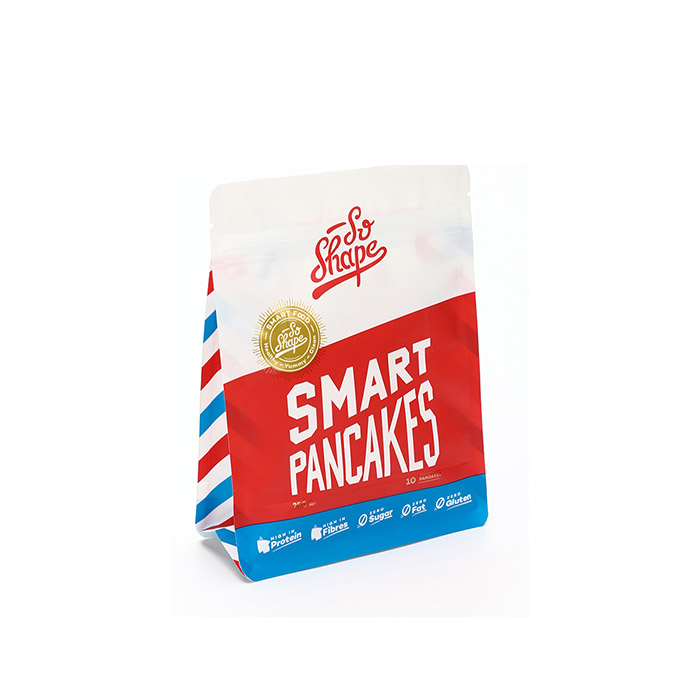
You secure excellent shape and stability when you store commercial products in flat bottom bags. Flat bottom pouches feature a distinct 5-panel box-style architecture. Four vertical side seals and a complete flat base create a rigid geometric structure. Left and right side gussets reinforce flat bottom pouches against outward bowing. Bioflexi high-performance film structures maintain upright standing power without collapsing when you pack contents to maximum fill capacity. You can choose a sustainable flat bottom pouch to replace heavy glass containers or rigid plastic bottles. Selecting flexible packaging food items in flat bottom pouches offers exceptional shatterproof resilience during rough transit. This modern flexible packaging creates significantly less waste than rigid containers while protecting your brand presence on the retail shelf. Flat bottom pouches deliver maximum structural balance for demanding store displays.
A standard stand up pouch relies heavily on its lower base design to absorb internal pressure and shock. Light capacity goods under 1 lb usually utilize Doyen gussets with curved bottom seals. When you move to heavier loads, specialized bottom structures prevent stress fractures, seam fatigue, and unexpected tears. A K-seal gusset supports medium weights, while a plow bottom gusset handles high capacities. A versatile stand up pouch adapts easily to diverse manufacturing formats. You can review the mechanical differences in the following table:
|
Feature |
K-Seal Gusset |
Plow Bottom Gusset |
|---|---|---|
|
Recommended Weight Capacity |
Designed for 1 to 5 lbs |
Designed for 5 lbs or more |
|
Structural Durability |
Holds higher volume; 30-degree caved angles prevent punctures |
Recognized as the sturdiest design for heavier loads |
|
Seal Configuration |
K-shaped seals on the gusset |
Seal-free bottom allowing product to lie flush; seals placed on sides/top |
Using an eco-friendly stand-up pouch with an appropriate bottom format protects your coffee packaging against heavy mechanical strain during handling. Flexible stand up pouches ensure superior seam strength across demanding commercial supply chains. Stand up pouches provide excellent cost efficiency for medium retail volumes.
A stand-up pouch maintains upright balance on the display shelf when product weight expands the bottom surface area. Proper structural weight distribution anchors the center of gravity securely in the middle of the base. Flat bottom pouches naturally maintain their physical outline regardless of fill volume. Conversely, traditional stand up pouches require specific base geometry to maintain vertical stability over time.
Bottom Base Formation: Product weight forces the bottom gusset to expand fully, creating the flat support base required for stand up pouches to stand securely.
Risk of Tipping Over: Packing high-density food like ground coffee into stand up pouches with a narrow bottom gusset elevates the center of gravity dangerously high, leading to physical imbalance.
Structural Collapse: Using an excessively wide base for lightweight dry food items causes the walls of stand up pouches to cave inward, compromising overall shape and stability.
Optimal Stability: Matching base dimensions to the physical traits of your food product maintains overall packaging stability across all retail display environments.
Heavy product loads exert intense physical pressure on lower package seams during storage and transport. When you ship dense food products in stand up pouches, internal weight distribution directly determines structural survival. Flat bottom bags feature a rigid box shape that spreads total weight evenly across the entire base. This balanced base design reduces localized stress on bottom welds. Consequently, flat bottom pouches can hold heavier capacities without stretching or sagging. Conversely, a stand up pouch concentrates internal downward force onto a narrower bottom seam. Heavy food contents push outward against flexible film walls. This outward pressure increases seam tension and causes structural fatigue during long transit journeys. Standard stand up pouches often shift under extreme loads, whereas flat bottom pouches maintain structural shape. Traditional stand up pouches struggle with heavy bulk goods over five pounds. Many stand up pouches require extra structural support to avoid side wall deformation. Selecting box-style formats provides superior base stability for high-density goods. Heavy loads require structural resilience so packages do not burst during transit. Your product choice dictates whether simple pouches work or heavy-duty formats become essential for safe retail delivery.
Vibration, sudden drops, and stacking pressure repeatedly shock package seams during transport. Drop testing measures how well a packaging format absorbs sudden impact without bursting. Bioflexi engineered laminate layers absorb violent shock and resist flex-cracking during rough handling. These flexible films cushion internal food items during unexpected falls from warehouse shelves. Most stand up pouches handle medium drops well, but repeated flexing during transit can cause flex-cracking in multi-layer barrier structures. You must understand how flex-cracking impacts long-term barrier performance:
Structural Damage: Repeated flexing causes micro-fractures and pinholes in protective layers such as metallized PET and aluminum foil.
Barrier Loss: Degradation of the layer allows oxygen ingress and water vapor permeation.
Contamination Risk: Compromised integrity opens pathways for microbial contamination, particularly in aseptic and extended shelf-life products.
Product Failure: The resulting atmospheric exposure leads to premature product degradation and significantly reduced shelf life.
Reinforced flat bottom pouches resist flex-cracking better than standard stand-up pouch designs under severe transport shocks.
Sharp product edges and exterior hazards present constant puncture risks during distribution. You can evaluate film defense against sharp objects using standardized laboratory testing methods. ASTM F1306 serves as the standard test method for evaluating the slow rate penetration resistance of flexible barrier films and laminated or multi-layer materials. Multi-layer laminates disperse sharp impact energy across multiple film layers, preventing immediate punctures. A standard stand-up pouch offers reliable puncture defense for everyday retail applications. Meanwhile, flat bottom pouches utilize extra side gusset layers to prevent side wall punctures from coarse materials. Combining resilient packaging films with proper corner seals ensures long-term protection. Selecting a sustainable flat bottom pouch or an eco-friendly stand-up pouch protects your inventory while maintaining maximum product defense. Proper material selection ensures your packaging remains intact from the factory floor to the final consumer home. Engineered multi-layer films absorb puncture stress effectively, reducing expensive product loss throughout complex global distribution networks. Quality materials safeguard retail appeal and maintain brand loyalty across every market.
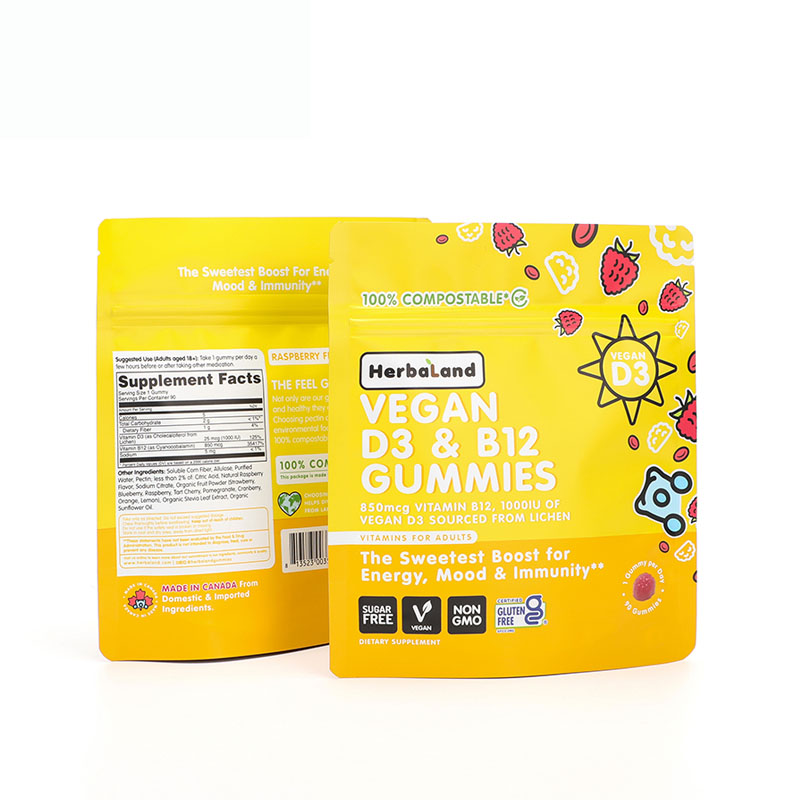
You need strong seals to maintain product integrity throughout long distribution chains. Corner seals on flat bottom pouches reinforce all four vertical edges to increase rigidity. These seals reduce mechanical stress on side welds when you pack dense dry food items. Side welds on a standard stand-up pouch face continuous outward tension from internal contents.
High internal weight pulls directly against the side seals of traditional stand up pouches. You prevent vertical split failures by distributing load across multiple corner seams. Flat bottom pouches handle heavy stacking pressure better during bulk transit. Standard packaging designs require precise sealing to withstand rough handling on conveyor lines.
Recloseable locks protect food items from environmental exposure after package opening. You maintain product freshness by selecting durable press-to-close zippers or slider locks. Repeated opening actions test the bond between zipper tracks and internal film layers. A traditional stand up pouch utilizes reliable zipper designs for everyday consumer convenience.
Advanced resealable features prevent accidental spills and preserve internal quality over time. Heavy food bags place intense downward pull on closure tracks during consumer handling. You gain superior resealability when multi-layer laminates anchor the reclosure system securely. Modern packaging solutions maintain tight closures over hundreds of opening cycles.
Internal gas generation and extreme physical pressure cause package failure during transit. You measure seal bond integrity using the ASTM F88 standard test method. Heavy-duty stand up pouches must achieve a seal strength threshold of 6.0 N/15mm or higher for robust peel integrity. Flat bottom pouches utilize multi-layer laminates to resist layer separation.
You evaluate package rupture strength through ASTM F1140 burst testing procedures. Heavy-duty burst pressure requires a minimum pressure tolerance of 60 kPa to ensure structural resistance. This pressure tolerance protects stand up pouches from bursting during warehouse stacking. You can trust high-performance stand up pouches to preserve shelf appeal during transport.
You must protect sensitive food products against external environmental factors over long storage cycles. Flexible barrier films shield contents like roasted coffee beans from destructive oxygen and moisture exposure. Maintaining continuous barrier layers preserves internal freshness throughout complex supply chains. You extend product storage life when you choose high-barrier laminates for dry goods. Quality packaging materials block atmospheric gas transfer and keep delicate flavors intact. Proper barrier selection prevents premature oxidation and preserves delicate food aromas.
Physical strain during transit degrades protective layers within standard stand up pouches. Repeated mechanical bending creates microcracks and physical fractures inside aluminum foil or metallized film structures. These flex-induced cracks disrupt the continuous barrier layer, negatively impacting the Water Vapor Transmission Rate and increasing moisture permeability. Consequently, micro-fractures compromise overall packaging freshness before consumers purchase items off the retail shelf. You avoid product spoilage by selecting film structures engineered to endure severe transport handling.
Heat sealing procedures and environmental climate fluctuations generate severe thermal stress across package seams. You preserve structural integrity by matching film heat resistance to dynamic transit and storage environments. Multi-layer laminates resist temperature shifts without weakening side seal bonds or warping overall package geometry. Standard stand up pouches withstand typical climate shifts during routine distribution while maintaining an effective environmental seal. These stable film structures prevent seal ruptures under rapid temperature changes. Proper thermal testing confirms bond strength across extreme hot and cold storage conditions.
Rigid box-style flat bottom pouches handle extreme mechanical friction better than basic designs. Reinforced side gussets absorb external vibration and prevent surface film abrasion during long delivery journeys. Flat bottom pouches distribute physical weight evenly across five panels during prolonged warehouse storage. Selecting durable packaging protects dry food items from physical deformation under high stacking loads. High-density film layers cushion heavy impacts throughout automated warehouse sorting. You ensure total food safety and container durability by choosing flexible materials built for demanding commercial distribution networks.
You select the ideal packaging style by analyzing total product weight and required physical support. Bottom gusset depth directly controls volume capacity and overall container strength. Packaging engineers set standard bottom gusset depth between 30% and 60% of overall pouch width. Increasing this depth reinforces base support for heavier items and prevents seam strain.
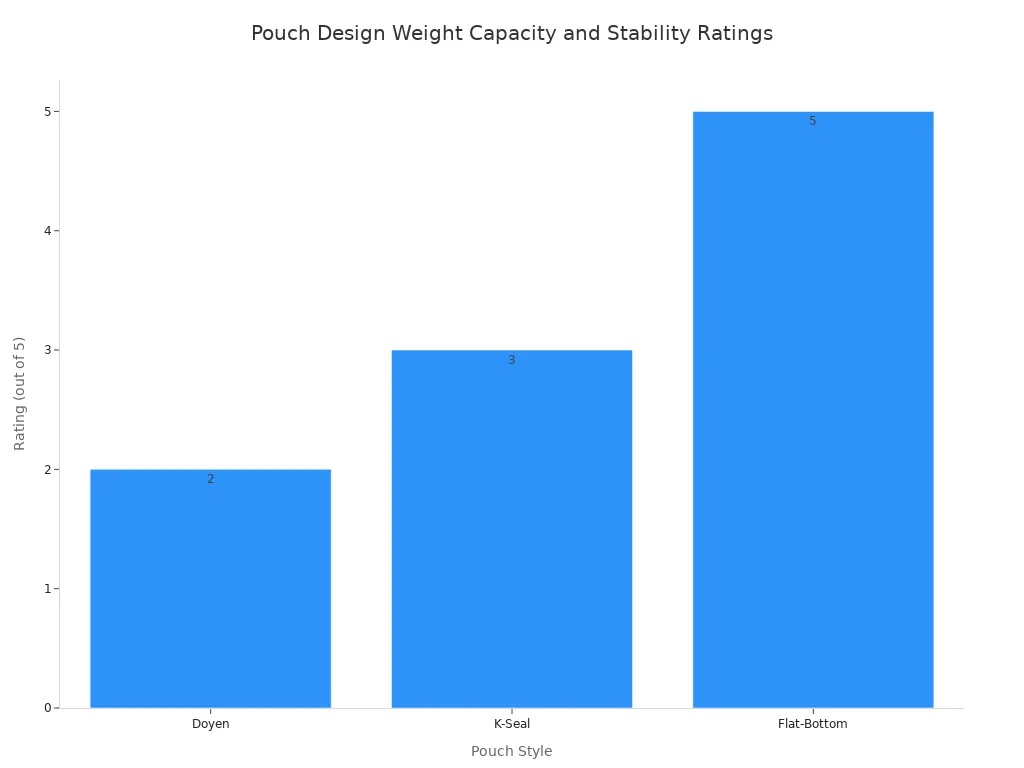
Doyen formats suit lighter specialty food items, while K-Seal designs support medium-weight items. Flat bottom pouches deliver maximum structural strength for high fill volumes. Selecting the correct structural format ensures your package retains shape throughout long supply chains.
|
Pouch Style |
Weight Capacity & Stability Rating |
Target Applications |
|---|---|---|
|
Doyen |
Lightweight (Rating: 2/5) |
Lighter, smaller specialty food items |
|
K-Seal |
Medium to Heavier (Rating: 3/5) |
Medium to heavier products |
|
Flat Bottom |
Medium to Heavier (Rating: 5/5) |
Dense items, maintaining shape under load |
You evaluate overall unit price against required distribution longevity during procurement. Standard stand up pouches offer a budget-friendly option for light goods. Flat bottom bags require an intricate production process. This increased manufacturing complexity leads to higher market costs.
A basic stand up pouch reduces initial production expenses for routine retail display. However, heavy food products demand stronger structural support during long transit journeys. Stand up pouches provide reliable performance across standard shipping environments.
You gain superior long-term durability when you choose flat bottom pouches for heavy items like roasted coffee. The rigid base preserves brand presence on the store shelf without tilting. Standard stand up pouches work well for lighter dry food items. Upgrading your coffee packaging protects dense contents against transport damage. You can select a sustainable flat bottom pouch or an eco-friendly stand-up pouch to meet corporate environmental goals. Matching packaging design to your distribution network saves money and protects overall stability.
Flat bottom bags deliver maximum structural balance and heavy-load resilience for demanding retail displays. Meanwhile, stand up pouches provide a cost-effective, durable defense for light-to-medium products.
You can select the ideal packaging format by evaluating total product weight, transport distance, and supply chain handling conditions. Choose flat bottom pouches when your payload exceeds two pounds or requires long-distance shipping. Select a standard stand-up pouch for lighter food items moving through local distribution networks. You protect brand appeal and prevent transit damage through proper structural selection. Consult Bioflexi packaging experts today to select and customize high-durability film solutions tailored precisely to your unique product requirements.
Flat bottom bags use a 5-panel box design with four corner seals. This structure distributes internal weight evenly across a flat base. Consequently, you get superior load stability and burst resistance when packaging heavy products over two pounds.
You should choose an eco-friendly stand-up pouch for lighter products under two pounds. Stand-up pouches deliver excellent puncture defense and cost-effective barrier protection. They perform reliably in local distribution networks while keeping your production costs low.
Side gussets reinforce the vertical walls of a sustainable flat bottom pouch. They absorb shock during transit, prevent outward bowing, and reduce flex-cracking. This extra film layer guards your contents against punctures and side weld fatigue.
Both styles utilize multi-layer laminated films to resist punctures. However, flat bottom bags provide extra defense along the side walls due to their folded gusset layers. This design protects coarse or sharp contents during rough shipping journeys.
lf you would like to work with us or just want to get intouch, we'd love to hear from you!

Copyright @ 2026 Shanghai BioPouches Co., Ltd All Rights Reserved. Network Supported
leave a message