

Author
Marie R. Winters


Official sustainability standards like TÜV Austria OK Compost, FSC, Din Certco, BPI, and How2Recycle prove that materials are truly eco-friendly. As a coffee roaster, you face a tough packaging choice today. You must choose between home compostable, industrially compostable, or recyclable single-layer materials. You cannot lose bean freshness or flavor while storing your coffee. You must also avoid making misleading greenwashing claims on your package labels.
Choosing the best coffee packaging bag requires carefully checking every single part of the bag. You need clear rules for degassing valves, zippers, layers, and how well they work with packaging machines. Showing certified logos correctly protects your brand's reputation and builds strong customer trust in all your selling places.
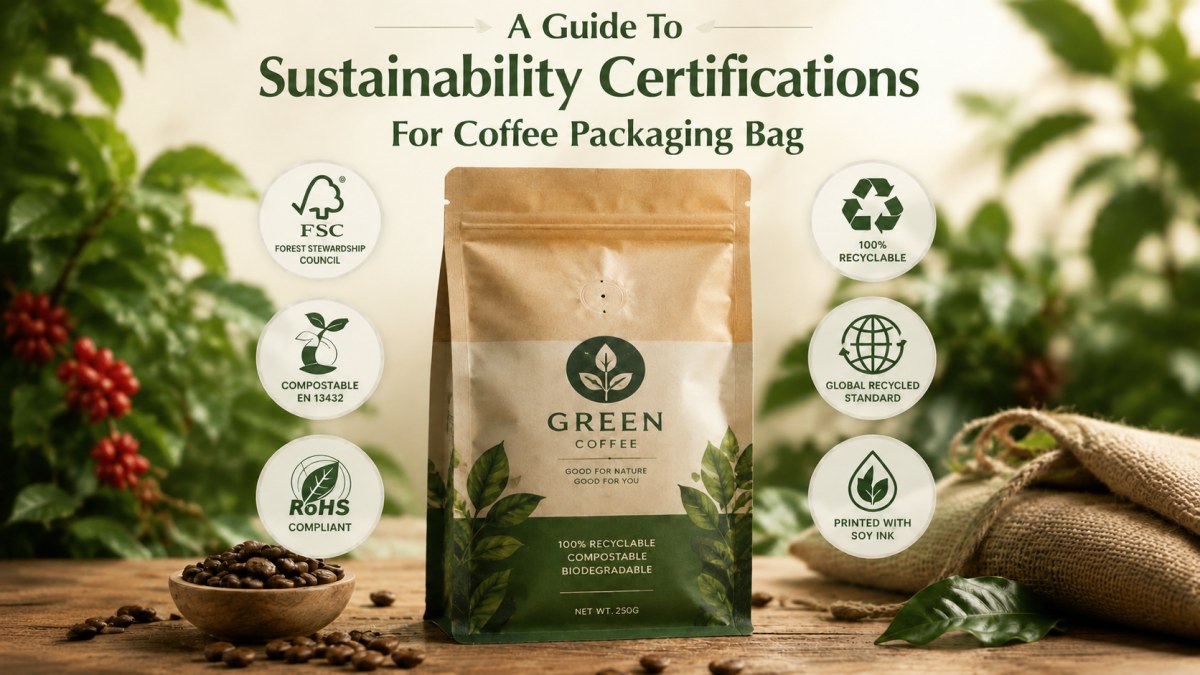
Learning about real green logos helps you pick smart materials for your store plan. You need to know the difference between bag rules and coffee farm badges. Badges like USDA Organic, Fair Trade, Rainforest Alliance, and Smithsonian Bird Friendly check how farmers grow raw beans. They do not cover the actual bag. Certified sustainable packaging proves that your bag materials are safe for the earth. It also helps your company score well on tough B Corp business tests.
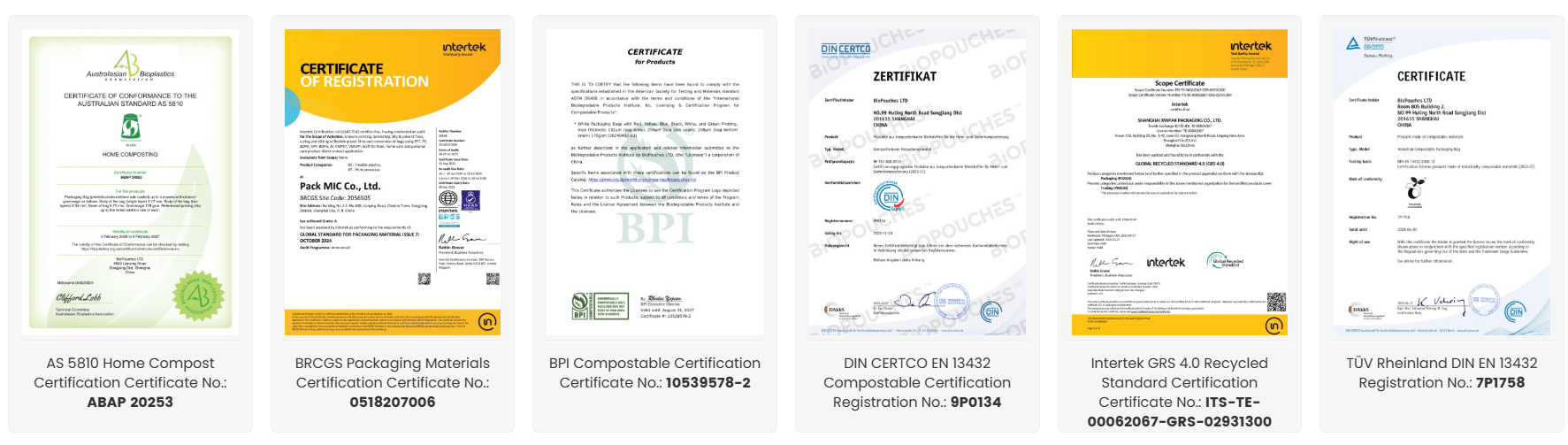
Home and factory compost tests prove your coffee pouch rots safely without leaving poisonous chemical traces. Worldwide testing groups check these materials for heavy metal limits, complete breakdown, and soil safety.
| Certification | Region(s) | Certifying Body | Key Point for Consumer Recognition |
|---|---|---|---|
| EN 13432 / Seedling | Europe | European Bioplastics | Top European rule that requires strict tests for soil health safety. |
| ASTM D6400/D6868 & BPI | North America | Biodegradable Products Institute (BPI) | Very famous in America and Canada for legal composting promises. |
| OK Compost (Industrial & Home) | International | TÜV Austria | Helpful label for both backyard bins and factory compost plants. |
| AS 4736 / AS 5810 | Australia/New Zealand | Australian Bioplastics Association (ABA) | Main rule for companies shipping coffee to Australian regions. |
| DIN CERTCO | Europe / Global | DIN CERTCO (Germany) | World-famous safety testing that follows strict European rules. |
To get an OK Compost badge from TÜV Austria, your bag must pass a hard four-step test:
Picking certified compostable materials lets you sell a compostable coffee bag that rots away safely in proper systems.
If your town lacks composting facilities, recyclable packaging gives you a great way to reuse resources. Normal multi-layer bags mix different plastic films that city sorting hubs cannot pull apart. Modern flexible bags use all-polyethylene layers instead. You can use these single-plastic setups on a side gusset coffee pouch or a flat bottom coffee pouch while keeping oxygen out. You can also add pcr packaging ingredients to reuse old recycled plastic.
Single-PE bags work just like soft plastic wraps and store grocery sacks. City recycling trucks usually skip these wraps because loose plastic jams sorting gears. Luckily, shoppers can easily return them to collection bins at local grocery stores. This fact shows why clear labels matter more than confusing, general recycling pictures.
For a single-PE Coffee Packaging Bag to get a How2Recycle Store Drop-off tag, your package must pass clear design rules:
Paper parts require Forest Stewardship Council approval. FSC tags prove that wood fibers come from carefully protected tree farms. Using FSC paper for your Coffee Packaging Bag guarantees full tracking for all your materials.
You must check every small part of your coffee bag. Main pouch badges do not automatically cover extra pieces. Your degassing valve and zipper need separate official testing. Each accessory must match your target disposal method, like TÜV OK Compost HOME or BPI.
Suppliers follow five simple steps to earn BPI approval for commercial composting:
Products like the certified Evalv degassing valve pass these tough tests by breaking down quickly. Joining these approved parts to your compostable coffee bag keeps your flat bottom coffee pouch totally green.
Glues and inks also change the official rating of your side gusset coffee pouch. Old glues use harsh chemicals that ruin organic decay. You must use tested plant inks and safe glues on every layer.
This table shows standard rules for entire packaging setups:
| Certification Standard | Description/Scope |
|---|---|
| ASTM D6400 | US rule for items heading to commercial composting yards. |
| EN 13432 | European rule for packages approved for industrial composting. |
| BPI | Program that checks items for home and city compost systems. |
Official rules test your full sticker, ink, and glue system as one piece.
"Getting a real compost badge is the only way to know your glues break down safely."
Using safe inks shields your business while keeping waste streams clean for recyclable packaging and pcr packaging choices.
You need top protection to keep beans fresh inside every coffee packaging bag. Air and wetness destroy rich coffee flavors fast. Regular compostable packaging guards beans nicely, yet protection levels change across film layers.
You can check performance stats before picking options for a side gusset coffee pouch or a flat bottom coffee pouch:
| Packaging Type | Typical Oxygen Transmission Rate (OTR) Standard |
|---|---|
| Conventional foil laminates (non-compostable reference) | Less than 1 cc/m²/day |
| High-barrier compostable materials | 5 to 15 cc/m²/day |
| Standard compostable materials | 15 to over 50 cc/m²/day |
Note: These are approximate ranges. Actual values depend on specific material formulation, structure, and test conditions. Suppliers should be consulted for precise Technical Data Sheet (TDS) information.
Strong shield films give items longer shelf life. Picking proven layers lets you match the safety of recyclable packaging or pcr packaging while saving bean freshness.
Green films act differently under heat during line sealing. You must pick correct temperature levels to guard pouch edges.
Heat sealability: Earth-friendly layers often need more heat and extra dwell time for tight seams. This fact can create problems on standard vertical form-fill-seal (VFFS) machines or automated filling lines. Poor seals allow air inside and ruin coffee quality.
You must adjust factory gear wisely when packing a compostable coffee bag. Careful checks prevent weak seal joints and spoiled beans.
Before ordering large production runs for eco-friendly pouches, you must run these clear checks to ensure machine success:
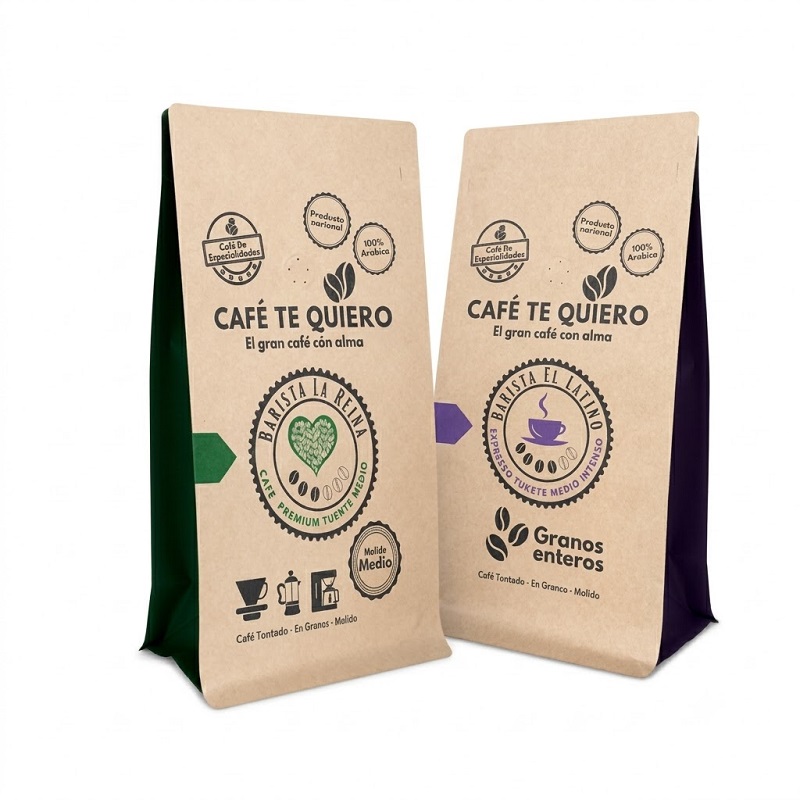
You should put clear, honest labels on every coffee pouch. Never use confusing buzzwords like "eco-friendly" or "green" on your labels. Instead, list exact details like "100% recycled content," "compostable packaging," or "certified sustainable materials." These specific claims explain how people should toss out their empty pouches. Direct words stop guessing at home and save your roastery from legal issues. Honest packaging builds strong customer trust across every market.
You must show official certification badges correctly on all your items. Put approved stamps from groups like How2Recycle or TÜV Austria right on your bag design. Always print your special license number directly under the logo symbol. This code helps shoppers double-check your claims on the internet right away. Correct badge placement creates quick consumer trust and proves your true commitment to the planet.
You must back up all eco claims with full supply chain checks. Ask your package maker for real testing papers before buying large orders. True certificates show valid dates, exact plastic types, and official testing rules. You need to make sure these records cover every bag part, like degassing valves and zippers. Independent supplier checks ensure your vendor follows real environmental laws. This careful process tracks every raw material from the factory to the finished pouch.
Always collect full safety records and real license codes from your vendor before starting new pouch lines.
You must keep an updated file for all your packaging papers. Refresh these safety documents every year to keep product labels true. If safety inspectors audit your store, these records prove your honest habits. Wise roasters keep these audit papers in a quick digital folder. Proper paperwork protects your coffee business from expensive greenwashing fines. You can proudly sell coffee while keeping natural resources safe.
Matching your Coffee Packaging Bag with real legal standards keeps your business safe from big fines. Trusted seals quickly earn consumer confidence. You show your actual planet-friendly promise using true details instead of fake promises.
You need to work with tested packaging sellers. Knowledgeable makers promise total approval for all construction elements. Their air release valves, locking zip tracks, and earth-safe inks fit accepted environmental rules completely. Untested parts instantly destroy a whole pouch's eco-friendly status.
Ask for full testing records from your bag maker prior to starting any fresh pouch series.
This main checking move ensures pure material quality. You shield your coffee roastery name while offering truly green coffee.
Check for real certifications from groups like TÜV Austria OK Compost or BPI. Look at the code printed right under the logo. Make sure every part of your compostable coffee bag, like the zipper and valve, passes safety tests.
Big compost yards use heavy heat to break down items fast. Backyard compost bins rely on normal daily weather. You need to pick compostable packaging with special ratings like OK Compost HOME or EN 13432 based on your local trash rules.
Yes! You can craft a flat bottom coffee pouch using single-layer plastic films. Adding pcr packaging parts helps keep the pouch strong. This setup makes neat recyclable packaging that shoppers can take back to local store recycling bins.
Unapproved parts ruin clean plant waste streams. A single non-compostable valve spoils your whole eco pouch at the dump. You must check that your side gusset coffee pouch uses valves tested under the same rules as the main bag film.
lf you would like to work with us or just want to get intouch, we'd love to hear from you!

Copyright @ 2026 Shanghai BioPouches Co., Ltd All Rights Reserved. Network Supported
leave a message