

Author
Marie R. Winters


Modern food packaging bags create an essential shield against supply chain hazards. You rely on these durable bags to deliver high-performance protection during transit. Atmospheric seal bags stop impact shocks, moisture ingress, oxidation, insect infestation, and thermal fluctuations.
|
Metric |
Value |
Context |
|---|---|---|
|
Annual Economic Value Preserved |
$882 million |
Economic value from preventing food spoilage via improved packaging. |
|
Annual Food Waste Prevented |
280,000 tons |
The volume of waste diversion that leads to the stated economic value. |
Advanced food packaging integrates key structural barrier features with sustainable material innovations. These protective packaging solutions optimize shipping costs and extend shelf life. Modern protective packaging guarantees complete product safety compliance across every logistics route.
Advanced packaging bags shield food from moisture, oxygen, light, and temperature changes during shipping.
Multi-layer barrier films absorb heavy transit shocks and prevent sharp food items from tearing the bag.
Eco-friendly materials offer strong protection while reducing overall plastic waste in the environment.
Durable packaging extends product shelf life and lowers financial losses from damaged food shipments.
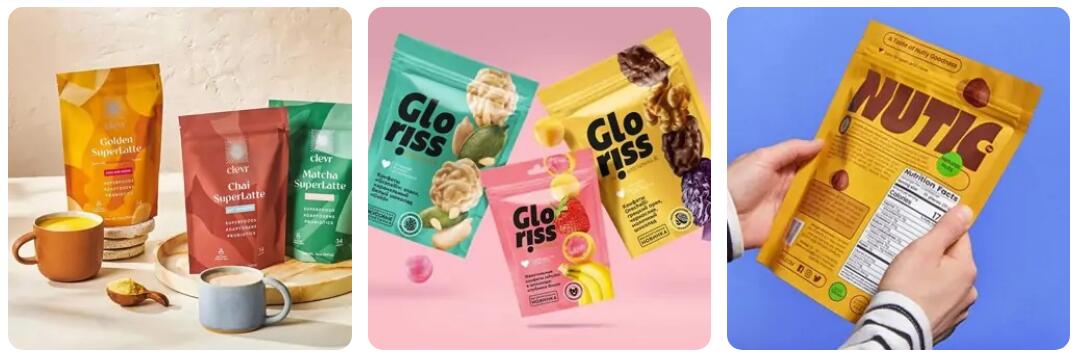
Logistics routes present constant hazards to vulnerable commercial food products. You can deploy reliable moisture barrier bags to block ambient moisture and high humidity during long transit cycles. High-performance barrier protection shields dry goods against ambient atmospheric changes. Durable moisture barrier bags prevent moisture ingress, preserving crisp textures, dry ingredients, and product quality. You protect sensitive dry food products when you block water vapor ingress entirely. Standard flexible food packaging shields sensitive contents from environmental shifts. Low-oxygen environments created by modified atmosphere packaging prevent oxidative spoilage, rancidity in fats, and insect infestation during prolonged warehouse storage.
Throughout storage, transportation, and display, food faces oxygen exposure that rapidly degrades product quality.
Removing ambient oxygen stops aerobic bacteria and mold growth effectively. You can use vacuum packaging or gas flushing to protect food freshness over extended supply chain journeys. Liquids and semi-liquids face higher risks from oxygen exposure due to their larger surface area. Without oxygen barrier packaging, oxygen ingress triggers several severe degradation pathways:
Loss of sensitive fatty acids
Degradation of essential vitamins A, C, and E
Development of off tastes, foul odors, and unwanted colors
Logistics disruptions and vehicle breakdowns subject cargo shipments to continuous physical stress. Weak package walls or brittle packaging materials fail easily under transit shocks, causing leaks and product loss. Heavy pallet loads create strong stacking pressure during long storage periods. You can rely on specialized protective packaging to absorb intense compression without tearing or bursting. High-strength bags protect delicate contents against mechanical shocks during sudden vehicle stops. Thermal insulated bags guard temperature-sensitive contents during cold chain transit.
Vibration during long-distance travel damages fragile food structures if containers lack sufficient elasticity. Proper protective packaging maintains structural integrity when stacks shift inside moving freight trucks. Multi-layer protective packaging cushions fragile items from unexpected drop impacts. Sturdy bags withstand constant surface friction across long distribution routes. Selecting advanced protective packaging ensures reliable physical protection across your entire supply chain. Premium moisture barrier bags maintain full seal strength under heavy overhead weight. Modern food packaging keeps your inventory safe through every transport step.
You can select protective packaging to create a reliable shield for sensitive items. Multi-layer engineering enhances standalone protection across every distribution phase. Modern manufacturing combines specialized plastic films into high-performance barrier layers. These layers block external moisture, ultraviolet light, and oils, preserving original flavor. Modern flexible food packaging maintains high quality during transit.
Each material layer inside protective structure performs a specific task. Outer layers resist physical abrasions, while inner layers lock in product freshness. An Ethylene Vinyl Alcohol (EVOH) inner layer stops fat migration and grease penetration effectively.
EVOH material resists oils and organic materials. The EVOH layer is suitable for packaging oily foods and edible oils.
Multi-layer films rely on specialized material selection to limit oxygen transmission. Replacing standard polyethylene with metallized films boosts barrier protection significantly. High-performance films keep oxygen away from vulnerable items during long warehouse storage.
|
Film Type |
Oxygen Transmission Rate (OTR) |
|---|---|
|
Metallized OPET |
0.01 - 0.11 cc/100 in²/24 hr |
|
HDPE (Standard Polyethylene) |
150 - 200 cc/100 in²/24 hr |
|
LDPE (Standard Polyethylene) |
450 - 500 cc/100 in²/24 hr |
You can specify moisture barrier bags to prevent water vapor transfer during humid ocean transport. Standard food packaging bags lack dense internal layers, leading to rapid product spoilage. High-density moisture barrier bags maintain crisp textures in dry goods. These moisture-resistant bags safeguard delicate ingredients from clumping in damp environments.
A package requires strong closures to safeguard contents from transport vibrations. Operators calibrate heat sealing machines with exact temperature, pressure, and dwell time parameters. Adequate nip pressure during sealing eliminates micro-voids and trapped air, preventing weak points. Strong seals maintain airtight durability against external contaminants.
This creates a strong, clean seal that can withstand transportation, storage, and handling stresses. Heat seal packaging ensures freshness, product safety, and cost efficiency.
You can verify seal strength using standardized testing procedures. Retort pouch seals must pass rigid pressure cooking evaluations.
|
Parameter |
Value |
Standard |
|---|---|---|
|
Burst Testing Minimum Resistance |
50 psi |
ASTM F1140 |
Quality control teams run vacuum decay tests to detect hidden seal micro-leaks without destroying samples. Durable food packaging bags must withstand sharp edges from food items like dry pasta or bone-in meats. High puncture resistance stops sudden ruptures during aggressive transit handling. Durable protective packaging shields products from sudden drops.
|
Standard Name |
Application |
Key Measurement |
|---|---|---|
|
ASTM F1306 |
Slow rate penetration resistance of flexible films. |
Peak force absorbed during probe penetration. |
|
ASTM D2582 |
Puncture-propagation tear resistance for plastic films. |
Resistance to snagging and tearing after initial puncture. |
|
ISO/DIN EN 14477 |
Puncture resistance for flexible barrier materials. |
Strength measured using a flat-ended probe under stress. |
|
JIS Z1707 |
Physical property rules for plastic food films. |
Guidelines for puncture resistance and tensile strength. |
Puncture-resistant protective food packaging ensures structural stability across complex supply networks. Heavy stacking forces cause severe stress on underlying shipping containers. High-strength moisture barrier bags resist puncture propagation, preventing spills or contamination. You keep items intact by choosing protective food packaging built to rigorous standards. Sturdy construction simplifies transit logistics across long routes. Modern food packaging bags deliver unmatched reliability through robust engineering. Premium protective food packaging drives supply chain success.
Advanced material science constantly transforms modern packaging structures across global distribution networks. You can select specialized high-barrier polymers to achieve reliable barrier protection against intense environmental hazards during long-distance transit.
Polymer films offer distinct physical advantages for sensitive products during distribution. Biaxially oriented polyamide (BOPA) films deliver exceptional tensile strength between 80 MPa and 100 MPa in general flexible film applications. This mechanical resilience gives flexible bags superior toughness during long transit journeys.
"The orientation results in higher tensile strength, lower elongation (harder to stretch), greater stiffness, and higher oxygen barrier compared to non-oriented cast PA film."
You can evaluate internal resin layers to block atmospheric gases effectively. Ethylene vinyl alcohol (EVOH) achieves an excellent oxygen barrier as low as 0.1 cc·20μm/m²·day·atm in dry conditions. High humidity reduces EVOH performance sharply, so manufacturers co-extrude it between protective packaging layers. Polyvinylidene chloride (PVDC) maintains steady barrier protection below 1 cc·20μm/m²·day·atm even in high-humidity cold chain environments.
|
Material |
Oxygen Barrier (Dry Conditions) |
Oxygen Barrier (High Humidity) |
Key Mechanism |
|---|---|---|---|
|
EVOH |
As low as 0.1 cc·20μm/m²·day·atm |
Performance drops sharply |
Tightly packed molecular structure |
|
PVDC |
Often below 1 cc·20μm/m²·day·atm |
Performance holds up well |
Balanced hydrophobic structure |
These advanced polymer films grant remarkable puncture resistance to stored goods. Tough outer layers prevent sharp items like frozen meats or dry bones from puncturing protective packaging during transit or storage. Selecting multi-layer foil laminates shields product contents from light, moisture, and gas migration effectively.
You can reduce environmental impact without sacrificing reliable performance. Shanghai BioPouches Co., Ltd. leads the industry as a global leader in sustainable flexible packaging solutions. BioPouches provides high-level barrier shielding using eco-friendly materials.
BioPouches manufactures compostable materials certified under ASTM D6400 and EN 13432 standards. ASTM D6400 certification requires 90% organic carbon conversion to carbon dioxide within 180 days. EN 13432 imposes strict heavy metal limits, requiring lead levels under 50 ppm and mercury levels under 0.5 ppm. The company also crafts 100% recyclable mono-material PE/PE protective packaging formats. Their Post-Consumer Recycled (PCR) materials fully comply with GRS 4.0 standards, which mandate at least 20% recycled content weight.
These modern choices deliver full security across demanding distribution channels. Modern protective packaging replaces traditional multi-material structures with recyclable polyolefin alternatives. High-quality food packaging safeguards product safety while supporting circular economy goals across every retail market.
BioPouches maintains massive industrial capacity to support global supply networks. Their state-of-the-art facility operates three high-speed rotogravure printing lines and three solvent-free lamination machines. Ten versatile bag-making machines generate a daily output exceeding two million pouches. This high volume guarantees strong supply chain reliability for your brand. Durable food packaging bags keep items safe through every shipment phase. Modern film shields goods while meeting strict sustainability standards. Choosing reliable protective packaging ensures product safety from origin to destination. Sealed bags protect dry ingredients from ambient humidity. Specialty barrier bags maintain product freshness throughout extended storage periods. These heavy-duty bags preserve shelf life under challenging environmental conditions. Laminated bags resist physical stress during rough warehouse handling.
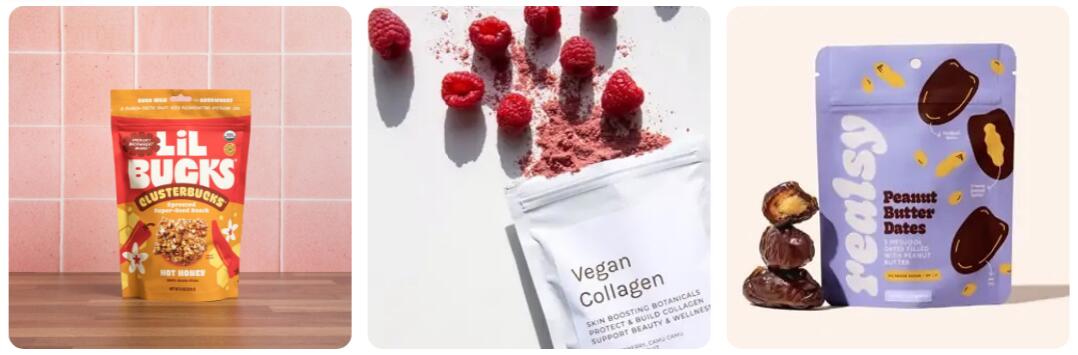
You maintain strict safety standards by selecting strong barrier materials. International regulations mandate compliance to prevent contamination during transportation:
FDA 21 CFR 177 (United States): Regulates polymers for indirect food contact.
Regulation (EC) No 1935/2004 (European Union): Ensures materials do not endanger human health.
Regulation (EU) No 10/2011 (European Union): Sets an overall migration limit of 10 mg/dm² for plastic packaging.
BRCGS Packaging Materials (Global): Standardizes operational hygiene and safety control.
AIB International Consolidated Standards: Audits facility operations to prevent contamination hazards.
Regulation (EC) No 2023/2006 (European Union): Requires Good Manufacturing Practice quality systems.
IFS PACsecure (Global): Assesses hygiene practices for safe food transit.
HACCP (International): Treats packaging selection and integrity as a critical control point.
You extend product shelf life when using food packaging designed for atmospheric shielding. Modern protective packaging guards sensitive inventory against environmental hazards. Choosing protective packaging prevents oxidation, keeping dry food ingredients fresh. Sturdy bags maintain full structural strength under heavy stacking weight. Sealed bags keep dry goods free from physical degradation.
Damaged shipments increase financial losses. You lower insurance claims by improving transport safety:
|
Key Action for Improved Packaging |
How It Reduces Insurance Claims for Food Shipments |
|---|---|
|
Use moisture-resistant packaging & desiccants |
Directly prevents moisture damage, eliminating claim grounds. |
|
Follow industry packaging standards & document processes |
Prevents claim rejections caused by insufficient quality. |
|
Invest in proper packaging for sensitive goods & high-risk routes |
Proactively reduces incident frequency and severity. |
You gain better product protection by upgrading your supply chain strategy. Selecting protective packaging reduces container breakage. Suitable food packaging bags shield contents against shock inside moving trucks. Sturdy protective food packaging absorbs compression, preventing costly warehouse spills. Modern protective food packaging preserves visual appeal on retail displays.
Deploying lightweight protective packaging optimizes overall freight expenses. High-performance protective packaging preserves product quality across complex networks. Flexible bags withstand external pressure without tearing. Laminated bags preserve internal freshness. Durable bags reduce product loss, protecting overall profit margins. You preserve protection across all shipping routes. Choosing correct packaging prevents customer returns. Proper food packaging drives commercial growth.
Advanced food packaging bags safeguard your inventory against physical shocks, contamination, and atmospheric degradation. Modern protective packaging shields delicate contents throughout long transit routes. You maintain product quality when you select high-barrier, eco-friendly flexible packaging solutions. These reliable bags protect food ingredients effectively while helping you reach key environmental goals. You deploy durable protective packaging to eliminate unnecessary supply chain waste during long distribution cycles. Specialized custom food packaging preserves freshness under challenging warehouse conditions. Tough bags keep items safe inside moving freight trucks.
You can optimize your supply network now. Partner with Shanghai BioPouches Co., Ltd. for customized, eco-friendly protective food packaging solutions.
Ocean shipping exposes cargo to high humidity. Specialized packaging blocks water vapor ingress entirely. You keep dry ingredients crisp and prevent clumping throughout long transit cycles.
Oxygen exposure causes fat oxidation, off tastes, and vitamin degradation. Low-oxygen environments prevent mold growth and insect infestation. You preserve product freshness over extended supply chain journeys.
Stacking pressure and vehicle vibrations stress shipments inside freight trucks. Durable food packaging bags feature high puncture resistance and strong heat seals. These tough bags absorb heavy shocks without bursting or tearing.
Yes, eco-friendly materials deliver reliable defense against environmental hazards. You can select certified compostable materials or recyclable mono-material structures. These modern options ensure high food packaging protection while supporting circular economy goals.
lf you would like to work with us or just want to get intouch, we'd love to hear from you!

Copyright @ 2026 Shanghai BioPouches Co., Ltd All Rights Reserved. Network Supported
leave a message