

Author
Marie R. Winters


Choosing the right food packaging bags means you match the bag type and material to your product’s needs, shelf life, and safety. The importance of food packaging goes beyond appearance. You protect quality, extend freshness, and prevent contamination by selecting appropriate materials. Packaging choices influence storage conditions, food composition, and safety standards. Environmental impact, legal requirements, and cost also play a role. For sustainable options, you can look to Shanghai BioPouches Co., Ltd. Assess your product’s unique characteristics before making a decision.
Choose food packaging bags that match your product's needs to maintain quality and freshness.
Consider safety standards and regulations to protect your customers and ensure compliance.
Select sustainable packaging options to appeal to eco-conscious consumers and reduce environmental impact.
Evaluate the shelf life requirements of your products to choose the right materials and features.
Utilize attractive packaging to enhance brand image and communicate product quality to customers.
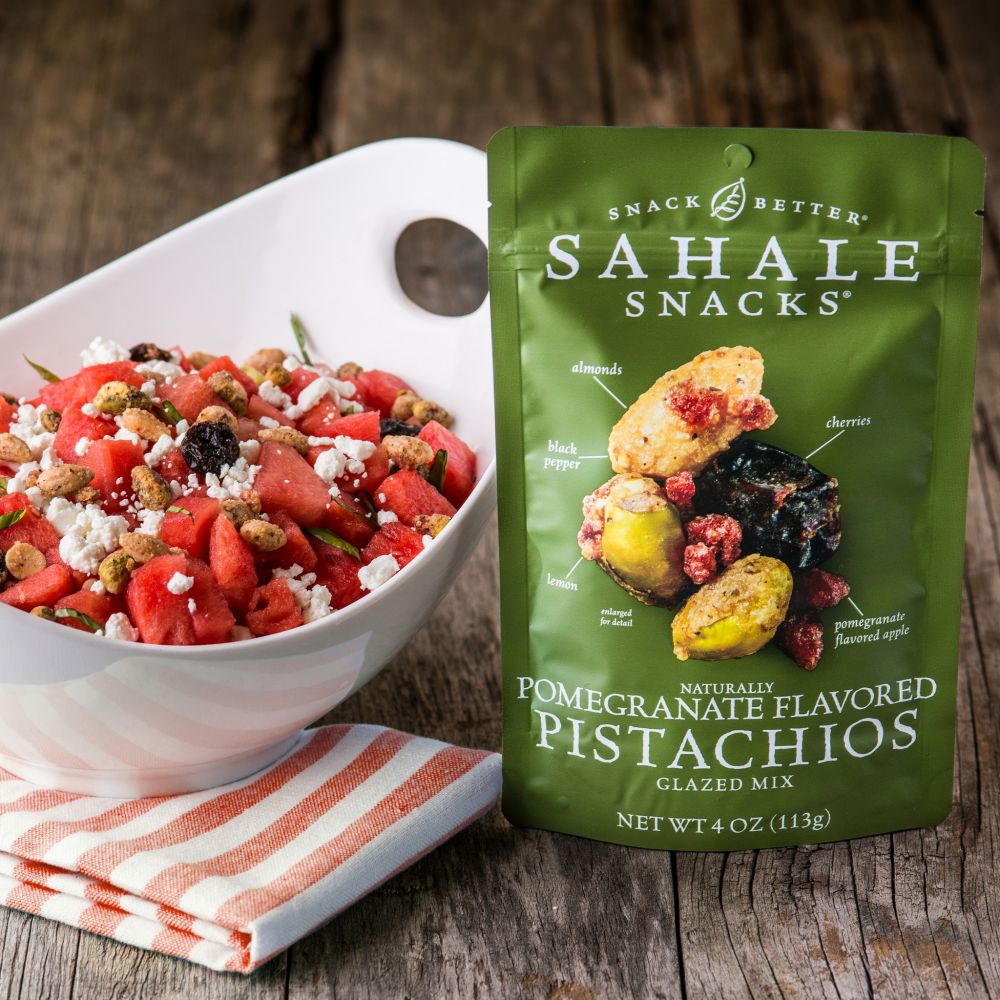
You protect your products by choosing the right food packaging bags. Packaging plays a key role in maintaining freshness and preventing spoilage. The table below shows how packaging influences quality and shelf life:
|
Aspect |
Description |
|---|---|
|
Maintains Food Freshness |
Proper packaging helps preserve the freshness and quality of food products, allowing manufacturers to deliver untarnished items to customers. |
|
Prevents Product Damage |
Effective packaging protects food from contamination and physical damage during handling and shipping. |
|
Improves Product Shelf Life |
High-quality packaging can significantly extend the shelf life of food products by preventing exposure to oxygen and moisture. |
You can see that packaging acts as a barrier against moisture and oxygen. This protection ensures your food arrives in perfect condition. When you select packaging with sustainability in mind, you also help reduce waste and support a healthier planet.
You must ensure your food packaging bags meet strict safety standards. The FDA requires that packaging materials pass Food Contact Substance Regulations. These rules guarantee that only approved materials touch your food. Migration testing checks how substances move from packaging to food, considering temperature and contact time. Good Manufacturing Practices set minimum standards for facility design, hygiene, and quality control. You protect your customers and your brand by following these guidelines. Sustainability also matters in compliance, as many regulations now encourage eco-friendly materials.
You boost your brand image with attractive packaging. Packaging communicates freshness and quality to your customers. Many brands use packaging to build recognition and trust. For example:
Packaging highlights freshness and quality, helping customers identify your brand.
Branded packaging shares important product information and builds consumer trust.
Packaging serves as a cost-effective marketing tool, keeping your brand visible and educating buyers.
You can use packaging to tell your sustainability story. When you choose eco-friendly options, you show your commitment to the environment. This approach appeals to customers who value responsible business practices.
You have many options when choosing food packaging bags for your products. Each type offers unique benefits for different foods and storage needs. Companies like Shanghai BioPouches Co., Ltd lead the way in sustainable packaging, offering certified compostable, recyclable, and PCR materials that help you reduce your environmental impact.
Here are the most common types of food packaging bags used in the global food industry:
Paper food bags
Plastic food bags
Vacuum seal bags for food
Stand-up pouches
Ziplock packaging bags
Foil packaging bags
Retort pouch bags
Gusseted bags (including side gusset bags)
Kraft paper bags
Mylar bags
Plastic food packaging bags remain popular because they are flexible and moisture-resistant. You can use them for both dry and wet foods. They are easy to mold into different shapes, such as flat bottom bags and side gusset bags, which work well for coffee packaging bags and pet food packaging bags.
|
Advantages |
Disadvantages |
|---|---|
|
Low-cost food packaging materials |
Harmful to the environment |
|
Can handle both dry and wet food products |
Most plastic packaging reacts badly with hot food items |
|
Resistant to factors such as moisture |
Not easily recyclable material |
|
Plastics provide the option of direct labeling |
|
|
Flexible packaging material |
|
Plastic packaging bags offer excellent moisture and air barriers, extending shelf life and lowering transportation costs. However, you should consider their environmental impact and look for recyclable or PCR options from providers like BioPouches.
Paper packaging bags, including kraft paper bags, are biodegradable and recyclable. Many consumers view paper as the most environmentally friendly choice for food packaging. You can use these bags for dry foods, baked goods, and organic products. Kraft paper bags give a natural look and support your sustainability goals.
Tip: Choose FSC-certified paper packaging bags to ensure responsible sourcing.
Foil packaging bags protect food from light, moisture, and air. You can use them for products that need a long shelf life, such as coffee, dried fruits, and herbs. The metallic coating helps maintain flavor and aroma, making them a top choice for specialty foods.
Vacuum seal bags for food remove air to keep products fresh. You can extend the shelf life of perishable foods up to five times longer than traditional storage. These bags work well for meats, cheeses, and ready-to-eat meals. Always follow proper food handling practices when using vacuum seal bags for food.
Stand-up pouches are self-supporting and versatile. You can use them for snacks, liquids, and even pet food packaging bags. They often include resealable closures, transparent windows, and high-barrier properties. Stand-up pouches lock in freshness and make products easy to carry. Many brands, including BioPouches, offer custom printed stand-up pouches for better shelf appeal.
Ziplock packaging bags are easy to open and reseal. You can use them for snacks, dried fruits, and convenience foods. These packaging bags help maintain freshness and allow for multiple uses.
Compostable and recyclable food packaging bags help you meet sustainability goals. Look for certifications such as ASTM, EN13432, and BPI to ensure your packaging breaks down safely. Providers like Shanghai BioPouches Co., Ltd offer certified compostable and recyclable packaging pouches, supporting a circular economy and reducing waste.
|
Certification Name |
Description |
|---|---|
|
FDA Approval |
Ensures all materials are safe for food contact |
|
EN13432 |
Requires compostable products to biodegrade within six months |
|
BPI Certified Compostable |
Verifies compostability in commercial composting facilities |
|
FSC Certified |
Confirms paper comes from responsibly managed forests |
You can choose from many types of food packaging bags to match your product’s needs, shelf life, and sustainability goals.
When selecting your packaging, you need to match the bag type and material to your food type and requirements. The right choice helps you maintain freshness, ensure safety, and support your brand’s values. Let’s explore the main factors to consider when choosing food packaging bags for your products.
Every food product has unique needs. You must consider the texture, moisture content, and perishability of your items. For example, coffee packaging bags and pet food packaging bags require different levels of barrier protection and moisture resistance. Here are some key points to guide your decision:
Moisture resistance keeps dry foods crisp and prevents spoilage.
Temperature control protects sensitive items like dairy or frozen foods.
Barrier protection against oxygen and light preserves flavor and color.
Eco-friendly options, such as compostable packaging or recyclable mono-materials, appeal to environmentally conscious consumers.
Maintaining freshness and safety is essential for all food types.
User experience matters. Choose options that are easy to carry, open, reseal, or even microwave.
You can also match packaging to food categories:
Non-perishable foods need moisture resistance to prevent spoilage.
Semi-perishable foods require water protection and shorter shelf life solutions.
Perishable foods demand refrigeration and advanced packaging for freshness.
Oily foods benefit from full moisture resistance.
BioPouches offers a variety of options, including stand up pouches, flat bottom bags, and side gusset bags, to suit different product textures and needs.
Shelf life and durability play a major role in your packaging decision. The right packaging extends freshness, reduces waste, and improves customer satisfaction. You should look for features that match your product’s shelf life:
Moisture control and oxygen barriers are vital for long-lasting products.
Resealable features, like zippers or zip locks, help maintain freshness after opening.
Packaging materials with high barrier protection, such as multilayer films, keep products safe during storage and transport.
If you sell baked goods or snacks, you might choose kraft paper bags with a moisture barrier. For ready meals or dairy, advanced films with oxygen control work best. BioPouches provides options that help you meet these shelf life needs.
You must protect your food from moisture and oxygen to keep it fresh and safe. Different foods require different levels of protection:
Refrigerated ready meals and fresh-cut produce use modified atmosphere packaging films for oxygen management.
Shelf-stable foods need multilayer structures with high-barrier resins like EVOH for extreme moisture and oxygen control.
Refrigerated dairy products benefit from low oxygen transmission rate packaging, such as multi-layer coextruded polypropylene with EVOH.
Condiments and sauces require materials with balanced barrier protection.
Snacks and bakery items need moisture protection, often using polypropylene combined with EVOH.
Food-grade plastic bags offer excellent barrier protection for many categories. You can also find options with compostable packaging or recyclable mono-materials for added sustainability.
Food safety is non-negotiable. You must use food-grade plastic bags that comply with regulations in your market. The FDA, EFSA, and other agencies set strict standards for packaging materials. Here is a summary of key regulations:
|
Region/Country |
Regulatory Body & Standard |
Key Requirements |
|---|---|---|
|
United States |
FDA (21 CFR Parts 174-178) |
Food contact substances, migration testing, FCS system |
|
European Union |
EFSA (Regulation (EC) No 1935/2004) |
No harmful substances, migration testing |
|
China |
GB 4806.1-2016 |
Limits on materials used in food packaging |
|
Japan |
Food Sanitation Act |
Only approved substances for food contact |
|
South Korea |
Food Sanitation Act |
Standards vary by material |
You should always verify that your packaging meets FDA and other relevant standards. BioPouches ensures all options are tested and certified for food safety.
Environmental considerations influence both your brand image and consumer choices. Many shoppers prefer eco-friendly options and are willing to pay more for sustainable packaging. You can choose compostable packaging, recyclable mono-materials, or packaging made from renewable resources. Here are some trends:
74% of consumers say they will pay more for sustainable packaging.
Younger buyers and those with higher education show a stronger preference for eco-friendly options.
Brands that use sustainable packaging materials build trust and loyalty.
BioPouches specializes in eco-friendly options, helping you reduce your environmental footprint while maintaining product quality.
Cost and efficiency affect your bottom line. Sustainable packaging options may cost 20% to 50% more per unit, but the effective cost difference often ranges from 5% to 15% compared to conventional plastic. Here is a quick comparison:
|
Packaging Type |
Unit Price Difference |
Effective Cost Difference |
|---|---|---|
|
Sustainable Packaging |
20% - 50% higher |
5% - 15% of conventional |
|
Conventional Plastic |
N/A |
N/A |
You should balance cost with benefits like freshness, protection, and brand value. Efficient packaging, such as stand up pouches or flat bottom bags, can also lower shipping costs and improve storage.
Tip: Always review the legal and regulatory requirements for food-grade plastic bags in your region before selecting your packaging. Material selection plays a key role in maintaining freshness and safety.
By considering these factors to consider when choosing food packaging bags, you can select the best options for your products, customers, and business goals.
You need specialty food packaging that matches the unique requirements of each food category. Shanghai BioPouches Co., Ltd offers custom solutions for fresh produce, baked goods, frozen foods, snacks, dairy, and ready-to-eat meals. You can also find options for coffee packaging bags and pet food packaging bags. These specialty food packaging solutions help you maintain quality, extend shelf life, and build your brand.
Fresh produce requires packaging that preserves freshness and prevents damage during transport. You can use modified atmosphere packaging to extend shelf life and keep fruits and vegetables crisp. Bulk packaging solutions, such as carton liners and pallet shrouds, protect over 60 types of produce. Ventilated corrugated cartons and protective liners provide airflow and reduce bruising. Moisture pads and pallet stabilization materials help maintain structural integrity. Specialty food packaging for fresh produce includes custom bags that fit the shape and size of your items. BioPouches offers the best food packaging bags for fresh produce, ensuring your products arrive in top condition.
Modified atmosphere packaging preserves freshness.
Bulk packaging solutions protect a wide range of produce.
Ventilated cartons and liners prevent damage.
Moisture pads maintain quality during transit.
Tip: Choose packaging that supports airflow and moisture control for delicate items like cut flowers and leafy greens.
Baked goods need specialty food packaging that keeps them fresh and prevents staleness. You can use kraft paper bags for bread and pastries. These bags allow some airflow, which helps maintain texture. Stand up pouches and flat bottom bags work well for cookies and cakes, offering resealable closures and barrier protection. Confectionery packaging for baked goods often includes custom printed designs that highlight your brand. BioPouches provides options that combine freshness, shelf appeal, and sustainability.
Kraft paper bags maintain texture for bread and rolls.
Stand up pouches and flat bottom bags protect cookies and cakes.
Custom printed packaging builds brand recognition.
Frozen foods require packaging that withstands low temperatures and prevents moisture infiltration. You can use high-barrier films to block oxygen and prevent spoilage. Vacuum sealing reduces air exposure and maintains freshness. Modified atmosphere packaging helps preserve quality during storage. Resealable pouches offer convenience and keep products safe. Specialty food packaging for frozen foods includes leak-proof and moisture-resistant bags. BioPouches supplies custom solutions for frozen vegetables, meats, and ready meals.
|
Packaging Technology |
Purpose |
|---|---|
|
High-barrier films |
Block oxygen to prevent spoilage |
|
Vacuum sealing |
Reduces air exposure to maintain freshness |
|
Modified atmosphere packaging |
Helps in maintaining quality during storage |
|
Resealable pouches |
Provides convenience and maintains quality |
Designed to withstand freezing temperatures
Leak-proof and moisture-resistant
Air-tight sealing prevents moisture infiltration
Snack and convenience foods need packaging that supports portability and freshness. You can use single-serve pouches and resealable bags for easy carrying. Vacuum-sealed packs and modified atmosphere packaging help maintain product quality and extend shelf life. User-friendly features, such as resealable closures and lightweight materials, enhance the consumer experience. Specialty food packaging for snacks includes custom printed designs and confectionery packaging for candies and treats. BioPouches offers solutions that combine convenience, safety, and brand appeal.
Single-serve pouches and resealable bags provide portability.
Vacuum-sealed packs maintain freshness.
User-friendly features improve consumer satisfaction.
Dairy and ready-to-eat foods require packaging that addresses food safety and shelf life challenges. Moisture control prevents microbial growth and extends shelf life. Oxygen scavengers slow rancidity in fat-containing foods, preserving flavor and nutrition. Heat sealing and ultrasonic sealing ensure tight seals and prevent leaks. Compliance with regulatory standards guarantees safety and quality. Specialty food packaging for dairy and ready meals includes custom printed bags and high-barrier films. BioPouches delivers solutions that meet strict safety requirements.
|
Aspect |
Description |
|---|---|
|
Moisture Control |
Prevents microbial growth and extends shelf life |
|
Oxygen Control |
Slows rancidity and preserves flavor |
|
Sealing Mechanisms |
Ensures tight seals and prevents leaks |
|
Compliance |
Meets regulatory standards for safety and quality |
Custom printed packaging bags help you differentiate your brand in the food industry. You can use custom designs, logos, and promotional messages to increase visibility. Well-designed packaging creates a professional appearance and improves customer satisfaction. Specialty food packaging includes custom printed options for coffee packaging bags, pet food packaging bags, and confectionery packaging. BioPouches offers advanced printing technology for stand up pouches, flat bottom bags, and side gusset bags.
|
Benefit |
Description |
|---|---|
|
Improved Brand Visibility |
Custom printed bags serve as mobile advertisements, increasing exposure for the brand. |
|
Enhanced Customer Experience |
Well-designed packaging creates a professional appearance, improving customer satisfaction. |
|
Marketing Opportunities |
Customization options like logos and promotional messages help in brand recognition and campaigns. |
Note: Custom printed packaging bags allow you to share your sustainability story and connect with eco-conscious consumers.
You can choose specialty food packaging solutions that match your product’s needs and support your brand. BioPouches provides custom options for coffee packaging bags, pet food packaging bags, stand up pouches, flat bottom bags, side gusset bags, and kraft paper bags. You build trust and loyalty by selecting packaging that maintains quality, ensures safety, and enhances shelf appeal.
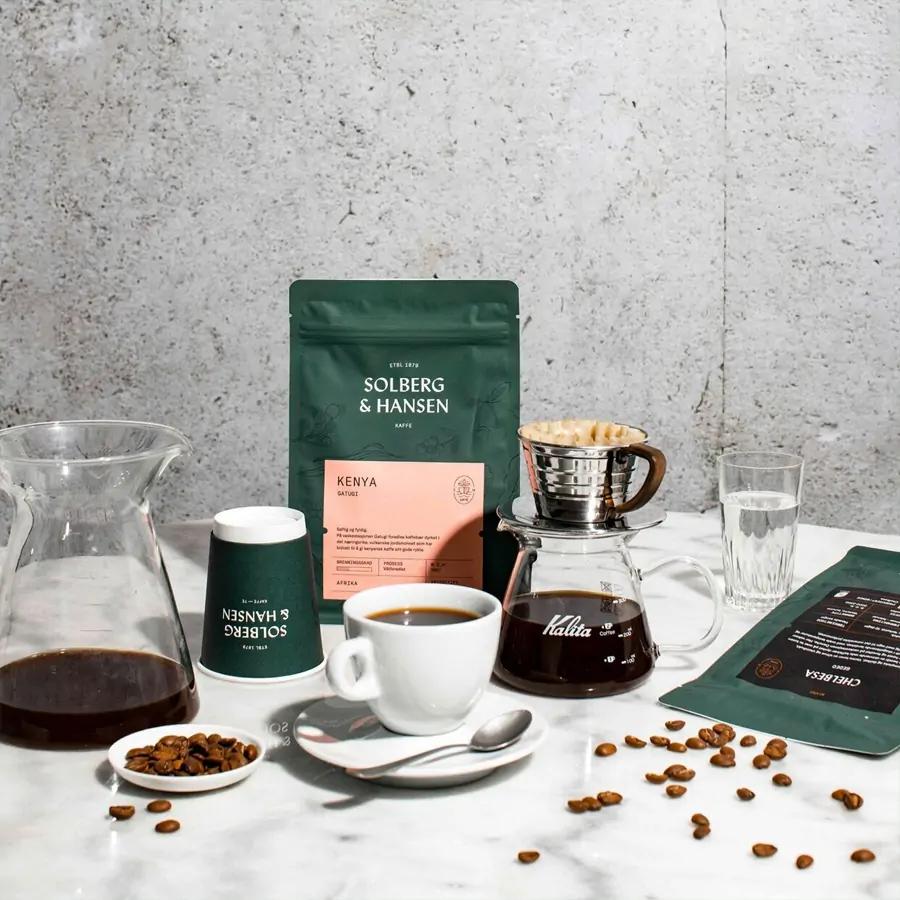
You should start by understanding your product’s unique requirements before selecting packaging. Follow these steps to make an informed choice:
Assess your product’s fragility, size, and how it will be shipped or stored. For example, coffee packaging bags and pet food packaging bags often face different shipping challenges.
Consult packaging specialists like BioPouches to learn about the latest materials and technologies.
Test your packaging with drop tests, compression tests, and environmental simulations to ensure durability.
Consider the end user’s experience. Features like easy-open seals, resealable closures, and attractive designs on stand up pouches or flat bottom bags can improve customer satisfaction.
Tip: Always match packaging features to your product’s needs for the best results.
You need to compare material options carefully. Look at the chemistry of your food, how it will be processed, and the environmental impact of each material. A life cycle assessment (LCA) helps you understand the total footprint, from raw materials to disposal. For example, aluminum may work well for long-distance shipping due to its light weight, while kraft paper bags or recyclable side gusset bags may suit local products. BioPouches offers a range of sustainable materials, so you can find the right fit for your business.
You can balance food safety and sustainability by following these strategies:
Choose recyclable materials to support your sustainability goals.
Ensure your packaging, such as moisture-resistant stand up pouches, keeps food safe and fresh.
Optimize packaging design for cold-chain performance, especially for dairy or ready-to-eat foods.
BioPouches provides solutions that help you meet both safety standards and environmental targets.
Your packaging choice affects how products move through storage and shipping. Consider these points:
Bulk bags and consistent packaging, like flat bottom bags or side gusset bags, reduce handling and speed up material flow.
Stable packaging improves stackability and warehouse space use.
Moisture-resistant and well-sealed packaging, such as those from BioPouches, minimizes damage and cleanup.
Poor packaging can lead to congestion, product loss, and higher labor costs.
Note: Efficient packaging supports smooth operations and protects your products during transit.
You need to match packaging bags to your product’s needs, shelf life, safety, and sustainability. Consider these key points:
Packaging protects food by controlling oxygen, moisture, and leakage.
Shelf life depends on barrier structure and seal strength.
Sustainable materials should offer strong protection, not just marketing appeal.
Flexible formats like stand up pouches, flat bottom bags, side gusset bags, and kraft paper bags suit different foods, including coffee packaging bags and pet food packaging bags.
The best solution balances safety, shelf life, cost, and convenience.
Review your current packaging and explore sustainable options from BioPouches. Make informed choices for a greener future.
You should choose coffee packaging bags with high-barrier materials. Stand up pouches and side gusset bags from BioPouches protect aroma and freshness. Resealable closures help maintain quality.
Kraft paper bags work well for baked goods. They allow airflow and keep bread fresh. You can use custom printed options from BioPouches to enhance shelf appeal.
You need pet food packaging bags with strong seals and moisture barriers. Flat bottom bags and side gusset bags offer stability and protection. BioPouches provides eco-friendly solutions.
You can order custom printed stand up pouches, flat bottom bags, and side gusset bags from BioPouches. Custom designs help your products stand out and build brand recognition.
Certified compostable packaging bags from BioPouches meet international food safety standards. You protect your products and support sustainability by choosing these eco-friendly options.
lf you would like to work with us or just want to get intouch, we'd love to hear from you!

Copyright @ 2026 Shanghai BioPouches Co., Ltd All Rights Reserved. Network Supported
leave a message