

Author
Marie R. Winters


You need to choose the right packaging to help your food brand stand out. For most brands, a Side Gusset Bag offers a flexible and cost-effective option. This bag adapts to different product shapes and sizes. Your packaging choice can affect your costs, product fit, and how shoppers see your brand.
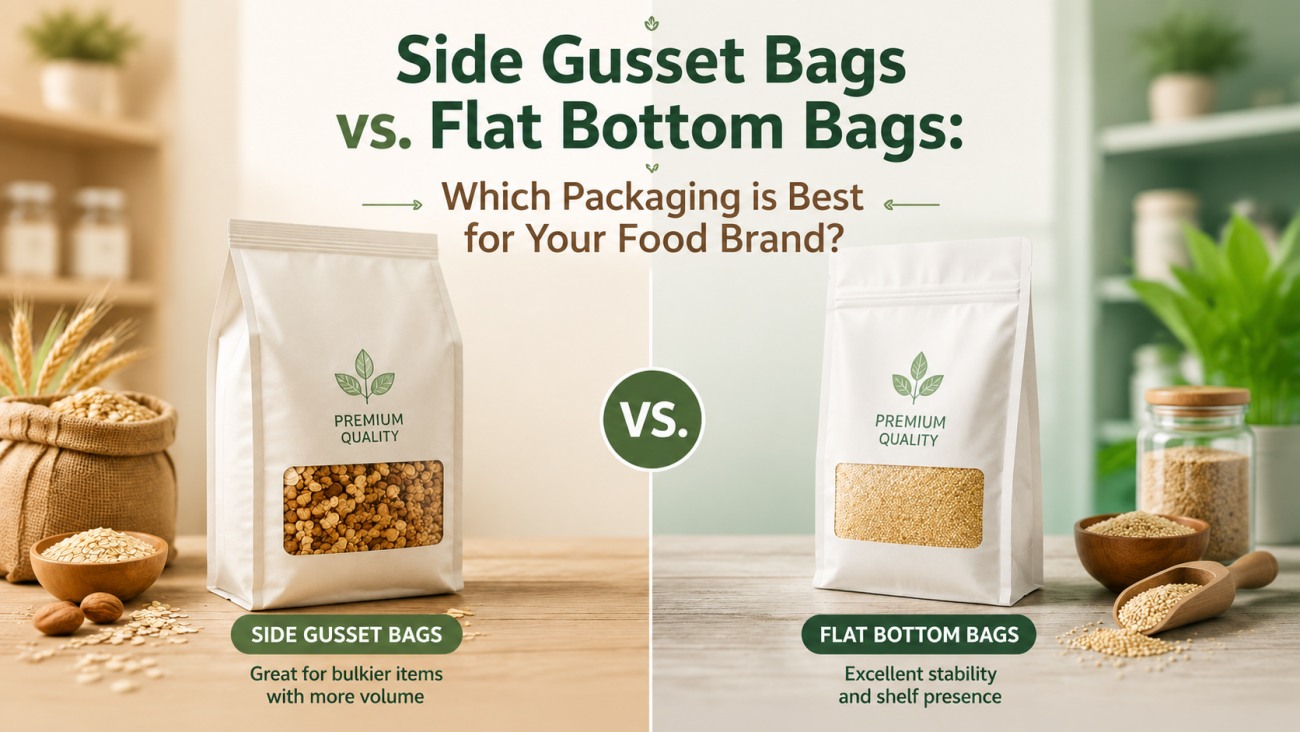
When you compare packaging options, you want to see the main differences quickly. The table below highlights how side gusset bags and flat bottom bags stack up across important criteria:
| Criteria | Side Gusset Bags | Flat Bottom Bags |
|---|---|---|
| Shelf Stability | Good for traditional packaging | Strong shelf impact |
| Base Structure | Flexible, can collapse | Stands upright, wide front panel |
| Premium Appearance | Can look premium with quality printing | Designed to resemble premium retail packaging |
| Branding Space | Limited due to gusset design | More space for branding on the flat front panel |
| Filling Capacity | Good filling capacity | Suitable for various product categories |
You can see that a side gusset bag offers flexibility and strong filling capacity. Flat bottom bags stand out on the shelf and provide more space for your branding.
If you want a cost-effective solution that adapts to many product shapes, choose a side gusset bag. This option works well for coffee, tea, and dry foods. You get reliable performance and efficient use of space. Flat bottom bags give your product a premium look and help it stand upright. These bags work best when you want to maximize shelf appeal and display your brand clearly. You might select flat bottom bags for specialty snacks or products that need to catch the shopper’s eye.
Tip: Think about your product’s weight, how it will sit on the shelf, and how much branding space you need. Your choice can influence both your costs and your brand’s visibility.
You see a Side Gusset Bag as a classic packaging choice. The bag features expandable side panels that increase its internal volume. This design gives you flexibility for packing products of different shapes and sizes. The bag stands upright when filled, but it can collapse when empty, saving space during shipping and storage.
Here is a quick comparison of structural features between side gusset bags and flat bottom bags:
| Feature | Side Gusset Bags | Flat Bottom Bags |
|---|---|---|
| Design and Shelf Appeal | Traditional, brick-like appearance | Premium, elegant box-like structure |
| Branding Space | Four panels for branding | Five panels, including a bottom panel for additional branding |
| Cost and Shipping Efficiency | More economical to produce, simpler manufacturing | Slightly higher upfront cost, but space-efficient for shipping |
| Volume and Capacity | Maximizes internal volume through width expansion | Focuses on base expansion for stability and support |
| Stability and Weight Distribution | Moderate stability, can tip over with lightweight items | Excellent stability with a reinforced base |
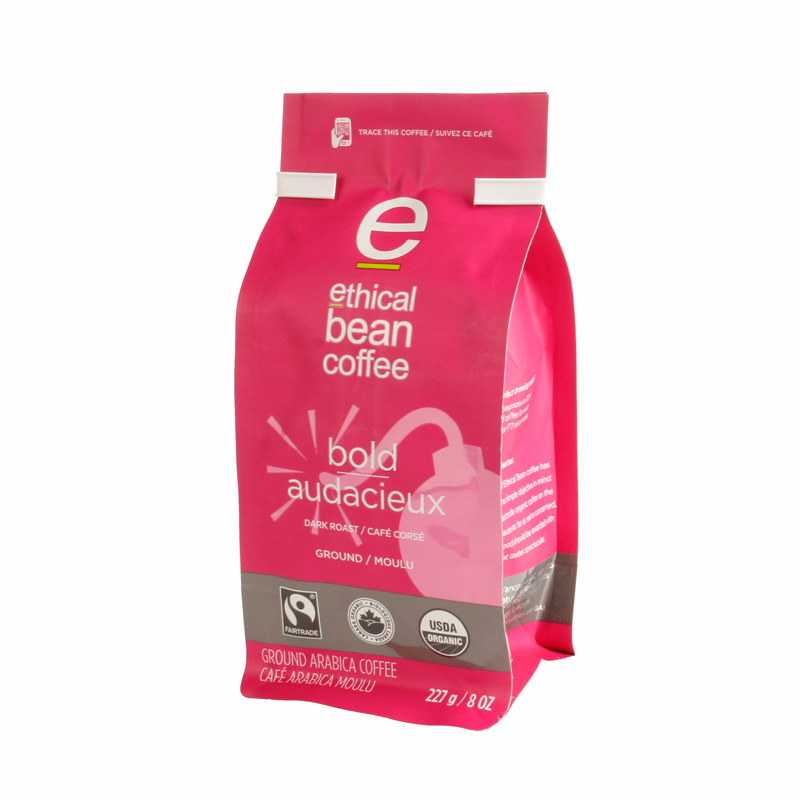
You often choose a Side Gusset Bag for products that need flexible capacity and a traditional look. Many brands use this bag for coffee, tea, grains, and dry goods. The expandable sides make it easy to pack bulk items or products that settle during shipping.
Here is a table showing common food products packaged in side gusset bags:
| Food Product Type | Description |
|---|---|
| Coffee | Commonly packaged in side gusset bags for its volume and premium look. |
| Tea | Utilizes side gusset bags for similar reasons as coffee. |
| Grains | Packaged in these bags due to their expandable design. |
| Dry Goods | Favored for their capacity and traditional packaging appearance. |
Tip: If you sell coffee or grains, you benefit from the bag’s ability to expand and hold more product.
You gain cost savings when you select a Side Gusset Bag. Manufacturers produce these bags with less material and simpler processes, which lowers the cost per unit compared to flat bottom bags.
| Bag Type | Cost Per Unit |
|---|---|
| Side Gusset Bag | Lower |
| Flat Bottom Bag | Higher (more material) |
You also get strong capacity advantages. Side gusset bags expand along the sides, so you can store more bulk or lightweight items. Flat bottom bags offer stability, but side gusset bags provide greater versatility for packing larger volumes.
Note: You maximize your storage and shipping efficiency with cost-effective side gusset packaging, especially for products that require flexible volume.
You notice that a flat bottom bag stands out with its box-like shape and reinforced base. This structure allows the bag to remain upright on shelves, even when partially filled. You get five printable surfaces—front, back, two sides, and the bottom—giving you more space for branding, product details, and storytelling. Flat bottom bags often use thicker materials, which add durability and help protect your food products. You can also find similar premium packaging solutions, such as 4 corner seal bags and block bottom pouches. These options share the same upright stance and strong shelf presence, making them popular choices for premium coffee packaging pouches.
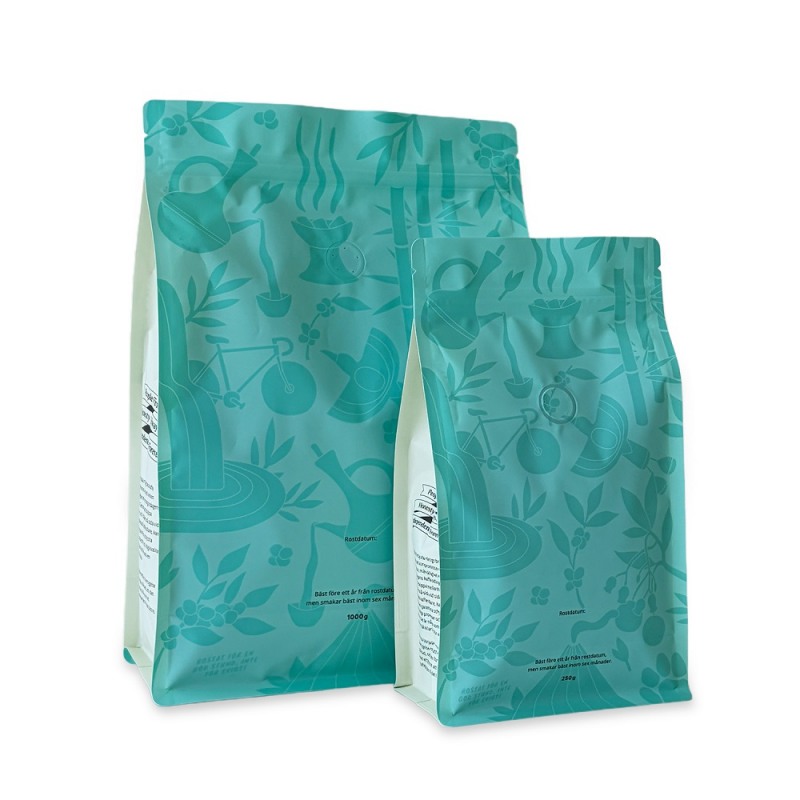
Flat bottom bags give your brand a premium impression in retail environments. Their design maximizes shelf visibility and offers more space for your logo, product story, and nutritional information. You can see how these features compare in the table below:
| Feature | Description |
|---|---|
| Premium Impression | Flat bottom bags create a stronger premium impression than other packaging. |
| Shelf Visibility | Box-like structure lets products stand upright, increasing shelf visibility. |
| Printable Surfaces | Five printable surfaces for branding and storytelling. |
Brands like bioflexi use flat bottom bags, 4 corner seal bags, and block bottom pouches to showcase their premium coffee packaging pouches. These packaging types help you attract attention and communicate quality to shoppers. You can print vibrant graphics and detailed information on every panel, which sets your product apart from those in cost-effective side gusset packaging.
You should consider flat bottom bags when you want to combine stability, branding, and a premium look. Many brands in food and beverage, pet food, and health supplements choose this packaging for its convenience and strong shelf presence. Flat bottom bags work well for products like coffee, snacks, cereals, and bulk foods. You also see them in retail and e-commerce, where user-friendly and sustainable packaging matters.
If you want your product to stand tall and look premium, flat bottom bags, 4 corner seal bags, and block bottom pouches offer the best solution. You get more branding space and a stronger shelf presence than with a side gusset bag, making them ideal for premium coffee packaging pouches and other high-value products.
When you compare packaging options, design and volume play a big role in product fit. A side gusset bag uses expandable side panels to maximize internal volume. This design works well for bulk products like pet food or coffee. The bag expands in width, giving you more space for your product. Flat bottom bags focus on base expansion. Their reinforced base supports heavier loads and keeps the bag upright, even when partially filled. You get superior stability with flat bottom bags, which helps your product stand tall on the shelf.
| Feature | Side Gusset Bags | Flat Bottom Bags |
|---|---|---|
| Design Flexibility | Maximizes internal volume through width expansion | Focuses on base expansion for stability |
| Volume Capacity | Ideal for bulk items like pet food or coffee | Supports heavier loads without losing shape |
| Stability | Moderate stability, can tip over if not filled properly | Superior stability with reinforced base |
If you need to package large quantities or lightweight items, a side gusset bag gives you more flexibility. Flat bottom bags work best when you want a stable, upright package for heavier or premium products.
Branding and shelf presence can make or break your product’s success in stores. Flat bottom bags offer five printable surfaces, including the bottom panel. This design gives you more space for your logo, product story, and graphics. The upright, box-like shape of flat bottom bags draws attention and signals a premium product. You see this effect with premium coffee packaging pouches and specialty snacks.
A side gusset bag provides four panels for branding. While you can still print high-quality graphics, the gusseted sides limit the uninterrupted space for your design. If you want a cost-effective side gusset packaging solution, you may trade off some branding space for lower costs. For products that need to stand out, such as 4 corner seal bags or block bottom pouches, the flat bottom bag structure offers a clear advantage.
Tip: Choose flat bottom bags if you want to maximize shelf impact and tell your brand story with bold visuals.
Cost often drives packaging decisions. A side gusset bag usually costs less to produce. Manufacturers use less material and simpler processes, which lowers your per-unit cost. This makes side gusset bags a smart choice for brands that need cost-effective side gusset packaging for bulk or everyday products.
Flat bottom bags require more material and complex manufacturing. You pay a higher upfront cost, but you gain a premium look and better shelf presence. If you sell high-value items or want to position your brand as upscale, the extra investment in flat bottom bags, 4 corner seal bags, or block bottom pouches can pay off in perceived value.
Efficient shipping and storage help you save money and reduce waste. Side gusset bags store flat before filling, which saves space in your warehouse. They expand when filled, making them suitable for larger volumes and automated filling lines. Flat bottom bags also store compactly, both before and after filling. Their shape allows for easy stacking and stable transport.
| Feature | Side Gusset Bags | Flat Bottom Bags |
|---|---|---|
| Capacity | Higher capacity and better volume use | Lower capacity for similar dimensions |
| Storage Efficiency | Stores flat before filling and expands when used | Very compact before and after filling |
| Filling Efficiency | Suitable for larger volumes and automated filling | Simple filling for small or lightweight products |
If you need to ship or store large quantities, a side gusset bag offers better volume use. Flat bottom bags excel when you want neat, stable stacks and easy handling.
Sealing and freshness matter for food safety and shelf life. Both side gusset bags and flat bottom bags support various sealing methods, such as heat sealing or zip closures. Flat bottom bags often use thicker materials, which can provide better protection against moisture and air. This helps keep products like coffee, snacks, or pet food fresh for longer.
A side gusset bag also protects freshness, especially when paired with high-barrier films or one-way degassing valves for coffee. However, the structure may not offer the same level of protection as a reinforced flat bottom bag. If you sell products that require maximum freshness, consider the material and closure options for each bag type.
Note: Always match your sealing method to your product’s needs to ensure quality and safety.
Sustainability has become a top priority for many brands. Flat bottom gusset bags often use eco-friendly materials that reduce waste. Many of these bags are recyclable or biodegradable, which appeals to environmentally conscious shoppers. Their efficient design allows for compact packing and storage, helping you minimize your carbon footprint. By choosing flat bottom bags, you can enhance your brand’s sustainability image and meet consumer demand for greener packaging.
A side gusset bag can also use sustainable materials, but you may find more advanced options and certifications available for flat bottom bags, 4 corner seal bags, and block bottom pouches.
Tip: If sustainability is a key part of your brand, look for packaging suppliers that offer certified eco-friendly options for both bag types.
You need to match your packaging to your product. Each bag type offers unique benefits for different food categories. The table below helps you see which products fit best with side gusset bags and flat bottom bags:
| Bag Type | Best Suited Products | Key Features |
|---|---|---|
| Side Gusset Bags | Coffee beans, ground coffee, loose leaf tea, grains, bakery mixes, dry foods, nuts | Classic expandable format, good volume efficiency, traditional premium look, valve options |
| Flat Bottom Pouches | Coffee beans, loose leaf tea, candy, granola, pet treats, premium dry food products | Premium box-like presentation, strong front-facing display, stable shelf presence, multiple branding panels |
You often choose a side gusset bag for coffee, grains, and bakery mixes. This bag gives you flexible volume and a classic look. You select flat bottom bags for candy, granola, and pet treats. These bags help your product stand upright and offer more branding space. If you sell premium coffee packaging pouches, you may prefer flat bottom bags, 4 corner seal bags, or block bottom pouches for their strong shelf presence.
Tip: Always consider your product’s shape, weight, and how it will be displayed. Bulk items and dry foods often fit best in cost-effective side gusset packaging. Premium snacks and specialty foods benefit from the stability and branding space of flat bottom bags.
Packaging shapes how shoppers see your brand. You create a first impression with your bag choice. Premium packaging, such as flat bottom bags, signals quality and trust. Consumers often link high-quality packaging to superior product quality. This perception helps you position your brand as a premium option in a crowded market.
Packaging acts as a sales tool. It influences purchasing decisions and builds emotional engagement. You use packaging to communicate your brand story and values. If you want to stand out, choose packaging that aligns with your market position. Flat bottom bags, 4 corner seal bags, and block bottom pouches help you convey a premium image. Side gusset bags give you a traditional look and cost-effective side gusset packaging for everyday products.
Note: Your packaging choice can help you maintain a competitive edge. Sustainable materials and clear branding also appeal to modern consumers.
You must balance cost and functionality when selecting packaging. Packaging engineers face trade-offs. Improving one feature can affect another. Successful brands address these conflicts early in the development process. You aim to optimize sustainability, performance, and cost.
You can use several strategies to balance these factors:
You may also:
If you sell bulk products, cost-effective side gusset packaging helps you save money. For premium items, flat bottom bags, 4 corner seal bags, and block bottom pouches offer better shelf appeal but may cost more.
Tip: Always weigh the benefits of each bag type against your budget and product requirements. Test different materials and designs to find the best balance.
You can avoid costly errors by learning from common packaging mistakes. The table below shows frequent issues and how you can prevent them:
| Mistake | How to Avoid It |
|---|---|
| Choosing the Wrong Box Size | Select a bag that fits your product snugly. Custom sizes reduce excess space and improve protection. |
| Insufficient Cushioning & Protection | Use proper cushioning materials. Fragile items need at least 2 inches of padding on all sides. |
| Ignoring Sustainable Packaging | Choose recyclable, compostable, or biodegradable materials. Use minimal packaging for safety. |
| Poorly Sealed Packages | Use high-quality tape and seal all seams securely. The H-tape method adds extra security. |
| Overlooking Branding & Labeling | Invest in branded packaging. Include product details and handling instructions. |
| Not Testing Packaging Before Shipping | Perform drop, compression, and environmental tests to ensure durability. |
| Neglecting Compliance & Regulations | Stay updated on industry standards, such as FDA requirements for food packaging. |
| Using Excessive Packaging Materials | Streamline your design. Use only necessary materials while maintaining protection. |
| Ignoring Customer Experience | Design packaging that is easy to open and visually appealing. |
| Not Considering Shipping Efficiency | Optimize packaging for palletization and storage. Use lightweight, compact materials. |
You can also follow these tips:
Callout: You improve your packaging process by avoiding these mistakes. You protect your product, enhance your brand, and reduce costs.
You make smarter choices when you compare side gusset bags and flat bottom bags. You select the right bag for your product, brand, and budget. You avoid common errors and build a stronger food brand.
You can learn a lot from brands that have already navigated the packaging decision process. For example, bioflexi has built a reputation for using cost-effective side gusset packaging for everyday products and premium coffee packaging pouches for their specialty lines. You see them leverage side gusset bags to maximize storage and shipping efficiency for bulk items. When they want to highlight premium products, they switch to flat bottom bags, 4 corner seal bags, or block bottom pouches. These choices help them stand out on crowded shelves.
Many leading brands have adopted flat bottom bags made from materials like corrugated polypropylene or compostable paper. These bags offer a 32 ECT crush rating, which means you get more durability during transit. Supermarkets prefer flat bottom bags for their stackable design, with 68% choosing them for improved retail stability. One premium snack brand reduced restocking time by 25% after switching to flat bottom bags. A coffee company saw a 12% sales increase by using the extra branding space on side panels.
Here is a table showing current trends in food packaging:
| Trend Aspect | Side Gusset Bags | Flat Bottom Bags |
|---|---|---|
| Durability | High durability for product protection | Multiple materials for added durability |
| Shelf Appeal | Attractive, classic look | Full color printing for premium branding |
| Eco-friendliness | Sustainable material options | Wide range of eco-friendly materials |
You gain valuable insights by studying these examples. Brands like bioflexi show that you can use cost-effective side gusset packaging for bulk and everyday products, while flat bottom bags, 4 corner seal bags, and block bottom pouches work best for premium coffee packaging pouches and specialty snacks. You should always consider your product’s weight, shelf presence, and branding needs.
You see that quad seal and block bottom pouches provide five printable surfaces, giving you a 360-degree billboard effect. Reinforced side seals prevent bulging, which helps you stack heavier foods without losing shape. You need to match your packaging material and design to your production capabilities and market goals.
Tip: Test different packaging types with your actual products. This helps you find the best fit for durability, branding, and cost.
You can improve your packaging strategy by learning from industry leaders. Choose the right bag for your product and brand image, and you will set yourself up for success.
You face important choices when comparing side gusset bags and flat bottom bags. The table below highlights key decision factors:
| Factor | Side Gusset Bag | Flat Bottom Bag |
|---|---|---|
| Branding Space | Good for snacks | Premium look for high-value products |
| Volume | More for lightweight goods | Stable for heavier products |
| Cost Efficiency | Cost-effective side gusset packaging | Strong seals, ideal for sauces |
You should match your packaging—whether side gusset bag, 4 corner seal bags, or block bottom pouches—to your product’s needs and brand goals. Review your requirements, consult packaging experts, and explore resources like the UP Scorecard to find the best fit for your food brand.
You see a side gusset bag expand at the sides, which increases capacity. A flat bottom bag stands upright with a reinforced base, offering more branding space and shelf stability. Both suit different products and brand goals.
You get the best shelf presence with flat bottom bags, 4 corner seal bags, or block bottom pouches. These options provide a premium look and extra space for branding, making them ideal for specialty coffee products.
You save money with cost-effective side gusset packaging. Manufacturers use less material and simpler processes, which lowers unit costs. Side gusset bags work well for bulk items like grains, coffee, and dry foods.
You can choose sustainable materials for both side gusset bags and flat bottom bags. Many suppliers offer recyclable or biodegradable options, helping you meet environmental goals and appeal to eco-conscious shoppers.
You should consider your product’s weight, shelf display needs, branding goals, and budget. Side gusset bags suit bulk and traditional products. Flat bottom bags fit premium snacks and items needing strong shelf appeal.
lf you would like to work with us or just want to get intouch, we'd love to hear from you!

Copyright @ 2026 Shanghai BioPouches Co., Ltd All Rights Reserved. Network Supported
leave a message