

Author
Marie R. Winters


Running side gusset pouches at high speed presents a unique challenge. Their folded structure can become unstable, causing jams or misalignment. Are you losing valuable throughput because of minor timing issues? Optimizing your automatic packaging line requires systematic fine-tuning, not a single fix. You must audit the entire line, optimize infeed and filling, and refine sealing and changeovers. This practical roadmap helps you achieve and sustain speed gains. Focus on the machines that handle flexible packaging with precision. Every adjustment improves efficiency. Your packaging operation deserves this attention to detail.
Audit your entire line to find the slowest station, then fix that bottleneck first.
Reduce pouch hesitation at transfer points by adjusting timing cams, sensors, and gripper pressure.
Match the filler type to your product to prevent spills and seal contamination.
Balance seal time, temperature, and pressure to achieve strong seals without slowing down.
Use data-driven setup sheets and servo-driven machines to cut changeover time dramatically.
Your packaging line operates as a system. The overall speed equals the slowest station's pace. You must first understand every step your side gusset pouch takes. Start at the moment a pouch enters the line. Document the path through each machine component.
Measure the actual cycle time of every piece of equipment around the filler:
Include the pouch-feeding conveyor or magazine.
Include the fill system. This could be an auger, piston, volumetric cup, or multi-head weigher.
Include the nitrogen flush or vacuum system if present.
Include the discharge conveyor.
Each station contributes to the total time. Your flexible packaging equipment works together. A delay in one area creates a ripple effect through the entire packaging process.
Record the time each pouch spends at each station. Use a stopwatch or machine data logs. Look for hesitation points. The opening and transfer mechanisms for side gusset pouches often cause trouble. Their folded structure needs precise handling. A small misalignment leads to jams. The pouch format you choose influences how easily the machine picks and opens each pouch. Your packaging machines must handle this format consistently. Track every movement during the cycle. Note any pause or hesitation. These moments reveal opportunities for improvement.

Gather timing data first. Then find the bottleneck. The slowest station determines your maximum output. Your premade pouches move through the line at a specific rhythm. The format you use affects handling speed. Measure the bags per minute at each point. Compare the numbers against the machine's rated capacity.
Compare the cycle times. The station with the longest time limits your efficiency. For these pouches, the opening station often runs slower. The grippers must engage the gusset folds correctly. This takes precise timing. Another common bottleneck is the transfer between machines. Pouch hesitation here wastes valuable seconds. The discharge conveyor may also create delays if stacks form.
Calculate your overall equipment effectiveness. Track downtime events. Identify which machines cause the most delays. Your packaging equipment needs balanced performance. The filler should not wait for the feeder. The sealer should not wait for the filler. Smooth coordination between machines keeps the line running at peak speed.
This data helps you target improvements. Adjust timing cams. Optimize sensor positions. Fine-tune gripper pressure. Each adjustment brings your flexible packaging line closer to optimal speed. Your packaging machines operate as a unified system. The right pouch format data helps you set correct parameters. You now have a baseline for progress. This flexible packaging line can now run faster with fewer interruptions.
The infeed section provides the largest opportunity for speed gains. Reducing hesitation here directly boosts your overall packaging output. You need smooth, continuous motion from the moment each pouch enters the line. Start by examining the timing cams. These components control the sequence of movements. A small misalignment creates a pause. The pouch hesitates. The entire line slows down. Adjust the cam timing to eliminate this delay.
Next, check the sensor positions. Sensors detect the pouch presence and trigger the next action. If a sensor reacts too late, the machine waits. The gap between pouches grows. Reposition each sensor for faster response. The goal is seamless transfer between stations.
Gripper pressure also matters. The grippers must hold the side gusset pouch securely without crushing the folds. Too much pressure deforms the pouch. Too little pressure causes slippage. Fine-tune this setting. Your automatic flexible packaging machines need precise grip force. Test different pressures. Watch the pouch behavior. Find the setting that keeps the pouch stable through every transfer.
Pouch opening failures cause major delays. Humidity or heat can make the pouch mouth stick. Insufficient vacuum during opening also causes problems. Optimize the vacuum timing. Ensure the suction pulls the pouch open completely. Add air-blowing assistance if needed. This prevents incomplete opening. Spillage stops. The line runs faster. Your packaging machines must work together seamlessly.
Static electricity creates another issue. Sticky particles cling to the film. This causes jams. Install static eliminators near the transfer points. Ionizing bars neutralize the charge. The pouches move freely. Your flexible packaging equipment operates without interruption.
The transfer between the infeed and the filling station is critical. Synchronize these two sections. The pouch must arrive exactly when the filler is ready. Any mismatch creates a bottleneck. Adjust the timing of the discharge conveyor. Match its speed to the filler cycle. Your premade pouch filling machine works best when the infeed delivers premade pouches consistently. All machines in the line need synchronization.
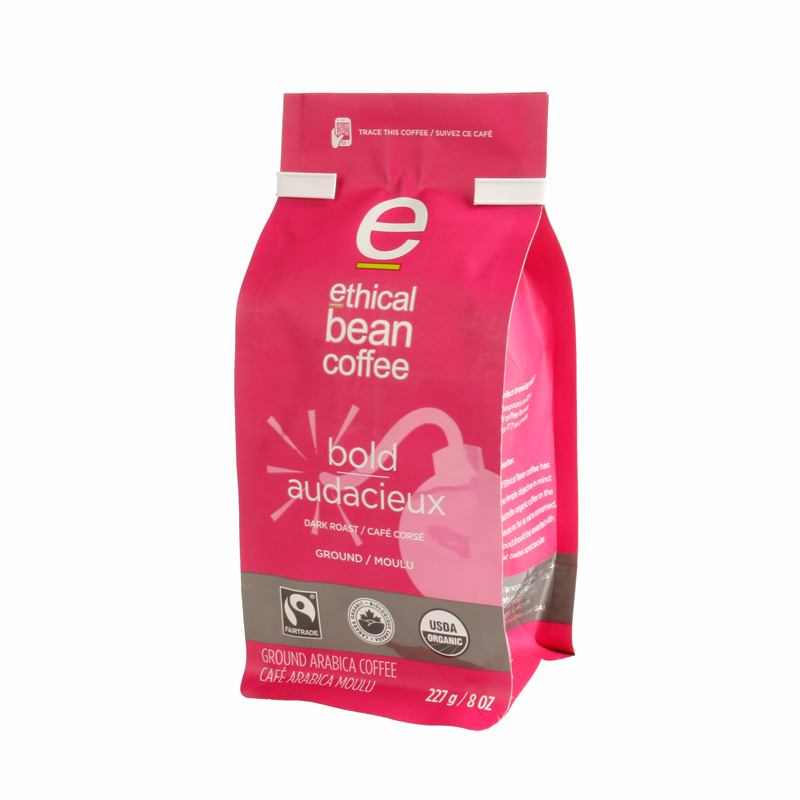
The fill method must match your product characteristics. This choice directly affects packaging speed and accuracy. For free-flowing granular products, a volumetric cup filler works well. It uses a specific cup to measure the product. This method is fast and reliable. Sugar, salt, pet food, and coffee beans fill efficiently this way. The volumetric cup filler integrates smoothly into your packaging system.
For powders, an auger filler provides better control. It handles both free-flowing and non-free-flowing powders. Vibratory fillers also suit free-flowing items. These options prevent dust and maintain accuracy. Your packaging machines must handle the specific product type. Choose the right filler for your material.
Sticky products require a different approach. High-viscosity liquids and gels need special handling. A ceramic pump prevents dripping on seal margins. This technology maintains ±0.5% filling accuracy for sticky pharmaceutical gels. The pump aggressively protects expensive raw materials. It also ensures strict GMP compliance. Your premade pouch filling machine can integrate this modular filling station design.
Preventing seal contamination is essential. Sticky product can string between fills. Adjust the stagger dump parameter on the HMI. Delay the jaw closing time. This allows the product to settle completely. The stringing stops. The seal remains clean. Clean the jaws regularly with a brass brush. Never use steel. Burnt sticky product builds up over time. Regular cleaning prevents jams.
The balance between fill speed and accuracy matters. A high-speed pouch packing machine achieves up to 100 bags per minute. The SW-Y series uses an 8-station rotary design. All stations run simultaneously. This maintains high throughput. The metering pump provides precise volume adjustment. The PLC stores up to 50 recipes. This allows quick changeovers without mechanical retooling. Your packaging operation gains both speed and accuracy.
Your premade pouch filling machine must match the rest of the packaging line. The filler speed should align with the infeed and sealing sections. Measure the cycle time of each station. Adjust the filler output accordingly. This coordination maximizes your overall efficiency. Your flexible packaging line runs at its full potential. Every component works in harmony. The result is higher throughput with fewer interruptions.
Seal integrity is non-negotiable in high-speed packaging. You must optimize three key parameters: seal time, temperature, and pressure. The relationship between these variables determines your output speed and package quality. Every packaging operation depends on this balance. The changeover time between different film types also affects overall efficiency.
Machine speed directly trades against dwell time. When the machine runs too fast, dwell time is insufficient. This leads to weak seal strength. When the machine runs too slowly, dwell time is excessive. The film burns. The seal becomes brittle. The edge cracks. You need to find the optimal window between these extremes. Your flexible packaging machines must operate within this window. The changeover time for each seal configuration impacts your production schedule.
Start with temperature. Each film type has a recommended sealing range. Set the temperature at the lower end of that range. Adjust seal time to achieve a complete bond. Increase pressure if you see uneven sealing across the jaw width. Too much pressure can thin the film. This careful calibration applies to all flexible packaging applications. The changeover time for new film types reduces when you store these parameters.
To measure seal quality, combine test methods. The peel strength test measures the force to separate a cooled seal. The hot tack test measures seal strength while still warm. This is critical for high-speed packaging lines. The burst resistance test evaluates internal pressure tolerance. The water vacuum test provides quick visual leak detection. The pressure decay test quantifies leak size. Use these methods together to validate your settings.
The goal is the minimum seal time that passes quality checks. Run tests at different dwell times. Record results. Find the shortest time that produces strong seals. This becomes your baseline. Your flexible packaging machines maintain this balance. The right packaging settings prevent waste. The changeover time between production runs decreases with consistent parameters.
Changeovers consume significant production time. You can reduce this downtime with a data-driven approach. Create a setup sheet for each pouch format and film type. Store the optimal parameters for temperature, seal time, pressure, and machine speed. This allows operators to input pre-set values quickly. The changeover time for each SKU drops significantly.
Data-driven changeover systems show clear advantages. Servo-driven machines with recipe storage outperform manual changeover. The changeover time for a 150mm to 200mm gusseted bag drops from 45 minutes to 15 minutes. The changeover duration improves by 30 minutes. Setup waste per change decreases. With three SKUs per day, manual changeover wastes about 150 bags. Servo-driven systems waste under 10 bags. Annual pouch savings reach about 35,000 pouches. This reduces material costs and improves packaging efficiency.
Servo-driven jaw motion eliminates the need for hardware changes. You can swap between different pouch structures without mechanical adjustments. This directly reduces changeover time. PID temperature controllers maintain ±1.5°C tolerance across different seal-jaw profiles. This allows rapid recipe-based temperature adjustments without manual recalibration. Recipe storage enables instant recall of machine settings for each SKU. The changeover duration for each switch improves.
These capabilities enable data-driven changeover. You store and execute precise machine parameters. The automatic machine handles the rest. Your packaging equipment adapts to new requirements. The changeover time savings compound across multiple daily switches. This approach to reducing downtime delivers measurable results for your packaging line.
Consider using quick-change tooling systems to further reduce changeover time. These systems allow rapid swapping of seal jaws, forming plates, and other components. Quick-change tooling systems minimize tooling adjustments between runs. The changeover duration shrinks further. Your packaging line returns to full speed faster. The changeover time reduction improves overall equipment effectiveness. Quick-change tooling systems also reduce physical strain on operators. Tooling adjustments become faster and more precise.
For heavy duty side gusset pouch formats, the same principles apply. You need precise settings for thicker films and heavier products. The changeover duration for these formats also decreases with data-driven setup sheets. Bioflexi offers reliable options for demanding applications. Their products work well with optimized machine settings. Your packaging line benefits from consistent quality and predictable performance. Your flexible packaging operation gains a competitive advantage. The packaging improvements compound over time.
Achieving high speed with side gusset pouches demands holistic optimization of your entire packaging line. Audit the system for bottlenecks. Fine-tune infeed and filling. Refine sealing and changeover time. Your changeover time decreases with each adjustment. Optimizing changeover time across flexible packaging equipment maximizes production efficiency. Every improvement in changeover time strengthens your process. Your changeover time becomes more predictable.
This focus on reducing downtime creates a competitive advantage. Your packaging operation gains speed. Your packaging machines operate as a coordinated system. The machines deliver consistent performance. Your flexible packaging line runs at full capacity. Your machines require less adjustment.
Embrace continuous improvement. Measure each change. Your packaging efficiency will grow.
The opening and transfer stations cause the most delays with side gusset pouches. Pouch hesitation at these points limits your packaging speed. Proper timing adjustments reduce changeover time between formats.
Start with lower temperature and increase dwell time until the seal passes strength tests. Different film types require different settings. Store these parameters to reduce changeover time on your machines.
Ceramic pump fillers prevent drips and seal contamination. They handle sticky gels and liquids with ±0.5% accuracy. This choice improves your packaging reliability and reduces changeover time for cleaning.
Use data-driven setup sheets with stored parameters. Servo-driven machines recall recipes instantly. This approach cuts changeover time from 45 minutes to 15 minutes. The changeover duration drops significantly with each switch. Reducing changeover time between SKUs improves your packaging efficiency. The shorter changeover duration means more production time. Each optimized changeover time saves valuable minutes.
Their folded structure requires precise handling. Misaligned grippers or improper vacuum cause jams. Regular calibration of your packaging equipment prevents these issues. Optimized settings reduce changeover time between production runs.
lf you would like to work with us or just want to get intouch, we'd love to hear from you!

Copyright @ 2026 Shanghai BioPouches Co., Ltd All Rights Reserved. Network Supported
leave a message