



Getting a fast and accurate quote for Custom Food Packaging can give your business a competitive edge. You save valuable time when you provide clear specifications and detailed branding elements. Many suppliers respond quickly, especially when you use streamlined online forms. Prepare all necessary details before you request a quote. This preparation ensures a smooth process and helps you avoid delays.
Key Takeaways
-
Prepare all necessary details before requesting a quote to ensure a smooth and fast process.
-
Provide clear specifications, including packaging type, size, and materials, to help suppliers deliver accurate quotes.
-
Use online forms for quick submissions and expect quotes within 24 to 48 hours when you provide complete information.
-
Communicate promptly with suppliers to clarify any questions and keep your project on track.
-
Compare quotes systematically to choose the best supplier for your custom food packaging needs.
Fast & Accurate Custom Food Packaging Quotes
Why Speed and Precision Matter
You need both speed and precision when requesting quotes for Custom Food Packaging. Fast responses help you move your project forward without unnecessary delays. Precision ensures that your packaging fits your product perfectly and performs well on your production line. When you provide accurate details, you help suppliers design packaging that meets your needs and avoids costly mistakes.
-
Precision supports product presentation, sealing efficiency, and overall throughput.
-
Custom bag formers fit specific packaging lines, which leads to tighter seals and fewer operational issues.
-
High-speed operations in food packaging mean that any downtime from misalignment or jams can become expensive.
If you focus on speed and accuracy, you reduce the risk of production setbacks and keep your business running smoothly.
Quick Turnaround Expectations
You expect quick turnaround times when you request a quote for Custom Food Packaging. Many suppliers offer online forms that streamline the process. When you submit complete and clear information, you often receive a detailed quote within 24 to 48 hours.
Delays in receiving quotes can cause significant setbacks for your product launch. The process of design, prototyping, and production depends on careful timeline management. If you wait too long for a quote, you may struggle to finalize your packaging design. This can push back your launch date and affect your business goals. You also need to consider possible manufacturing or shipping delays, which can extend your timeline even further.
To avoid these issues, prepare all your details in advance and respond quickly to supplier questions. This approach helps you stay on schedule and launch your products with confidence.
Key Information for Custom Food Packaging Quotes
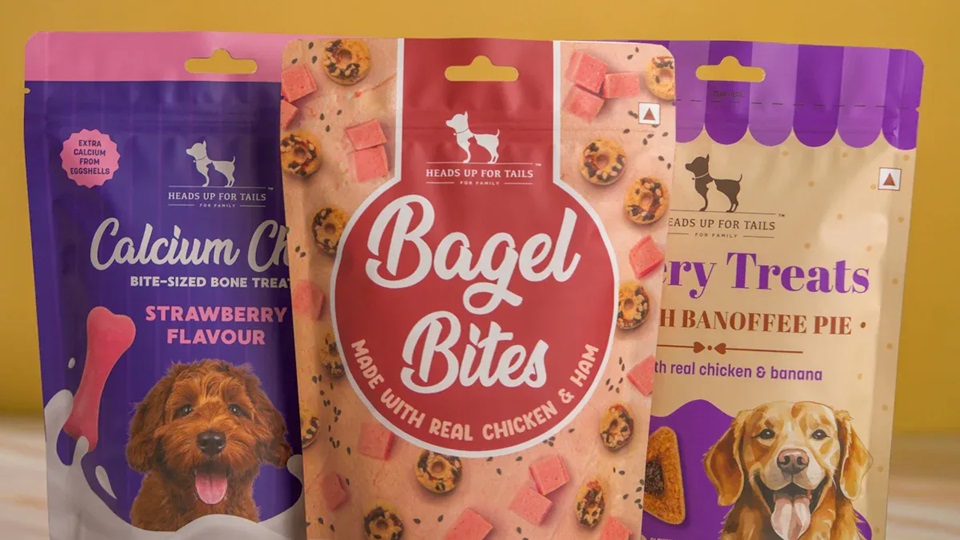
When you request a quote for Custom Food Packaging, you need to provide specific details. These details help suppliers deliver accurate pricing and ensure your packaging meets both functional and branding requirements.
Packaging Type and Size
You should start by specifying the type and size of packaging you need. Food manufacturers often request a range of packaging types, including:
-
Mailer boxes
-
Food packaging
-
Retail packaging
-
Eco-friendly boxes
-
Product boxes
You can also choose from specialized options, such as beverage, candy, cereal, noodle, pizza, and popcorn packaging. Each type offers unique shapes, sizes, and features to fit your product.
|
Packaging Type |
Examples |
|---|---|
|
Beverage Packaging |
Custom shapes and sizes |
|
Candy Packaging |
Various styles available |
|
Cereal Packaging |
Specific designs offered |
|
Noodle Packaging |
Tailored options available |
|
Pizza Packaging |
Unique shapes and sizes |
|
Popcorn Packaging |
Customizable features |
Selecting the right size impacts both cost and logistics. Optimizing box dimensions can reduce shipping costs by up to 40% and improve warehouse stacking. Standard sizes help you avoid custom tooling fees, while simple structures keep costs down. You should consider freight efficiency and material engineering to stretch your budget further.
Tip: Provide exact measurements and preferred packaging styles. This information helps suppliers recommend the most cost-effective and practical solutions.
Material and Food-Grade Requirements
Material selection plays a critical role in the durability and safety of your packaging. The right materials protect your food products from spoilage, contamination, and physical damage during transport. For example, moisture-sensitive foods need packaging with low water-vapor transmission, while acidic foods require materials resistant to pH degradation.
You must also ensure that your packaging meets food safety standards. In the United States and Europe, common certifications include:
-
FDA Compliance: Materials meet safety guidelines for food contact.
-
GFSI Certification: Validates food safety and quality management.
-
SQF Program: Focuses on best practices in food safety.
-
BRCGS Global Standard: Addresses hygiene and quality for packaging manufacturers.
-
FSSC 22000: Combines ISO 22000 with industry-specific requirements.
-
EU Food Contact Regulations: Ensures materials do not release harmful substances.
|
Material |
Best For |
Key Limitations |
Regulatory Notes |
|---|---|---|---|
|
Polyethylene Terephthalate (PET) |
Carbonated beverages, snacks |
Poor barrier for oxygen-sensitive products |
FDA-compliant for direct food contact |
|
Aluminum Foil Laminates |
Coffee, freeze-dried meals |
Higher cost; prone to pinholes if unsealed |
Requires FDA-approved adhesives |
|
Compostable PLA |
Salad kits, bakery items |
Low heat tolerance; degrades in humidity |
Not FDA 'food-contact approved' by default |
You should always confirm which certifications your supplier holds and match them to your product’s needs.
Design Elements and Branding
Branding transforms your packaging into a marketing tool. You need to provide your logo, high-resolution images, and any required text. These elements allow suppliers to create accurate design proofs and cost estimates.
Custom Food Packaging often features brand storytelling, color psychology, and high-quality graphics. A memorable logo, cohesive color scheme, and effective typography help your product stand out. For example, red and yellow stimulate appetite for snacks, blue conveys trust for dairy, and green signals health for organic products.
Note: Share your brand guidelines and any specific design requests early in the process. This step ensures your packaging aligns with your marketing strategy and appeals to your target audience.
Order Volume and Delivery Details
Order volume and delivery location directly affect your quote. Larger orders often qualify for volume discounts, while smaller runs may have higher per-unit costs. You should specify your expected order quantity and any plans for future reorders.
Shipping method and destination also influence the final price. Air freight, ground shipping, and international delivery each come with different costs and lead times. Some suppliers offer inventory management or fulfillment services, which can impact your overall expenses. Lead time, from final approval to delivery, is another key factor in pricing.
-
Shipping method and costs
-
Inventory management and fulfillment options
-
Lead time from approval to delivery
Tip: Provide your delivery address and preferred shipping method upfront. This information helps suppliers calculate accurate timelines and total costs.
By preparing these key details, you set the stage for a fast, accurate, and hassle-free quoting process for your Custom Food Packaging project.
Steps to Request a Quote
Using Online Forms
You can start your Custom Food Packaging quote request by using the online form on the supplier’s website. This form guides you through each required field, making the process efficient and straightforward. Most companies design these forms to collect all the essential details up front. You enter your contact information, select your packaging type, and specify your needs. Once you submit your request, a staff member confirms receipt and begins processing your quote. This step ensures your project moves forward without unnecessary delays.
Submitting Specifications
Providing complete and accurate specifications is critical for a fast response. Suppliers often experience delays when customers omit key details. The most common missing information includes:
-
Target order volumes
-
Packaging specifications
-
Flavor or ingredient ranges
-
Target timeline
You should double-check your submission to ensure you include all relevant data. Clear and thorough information allows the supplier to generate an accurate quote quickly. If you have brand guidelines or artwork, attach these files with your request. This preparation helps avoid back-and-forth emails and speeds up the quoting process.
Receiving and Reviewing Your Quote
After you submit your request, you receive a confirmation from the supplier. The team reviews your information and prepares a detailed quote. You should expect to review the quote for accuracy and completeness. If you have questions or need adjustments, provide feedback promptly. Once you approve the quote, the supplier moves forward with your order. You sign a contract, and the production process begins. This step-by-step approach ensures you receive the right packaging for your needs and keeps your project on schedule.
Tip: Respond quickly to supplier questions or requests for clarification. Fast communication helps you secure your packaging and meet your launch deadlines.
Factors Affecting Custom Food Packaging Costs
Material and Design Complexity
You influence packaging costs most by your choices in materials and design. Advanced barrier materials improve food safety and preservation, but they increase overall expenses. Custom designs can optimize material usage, which reduces waste and shipping costs. Tailored packaging also streamlines your supply chain, saving money in distribution and storage.
|
Aspect |
Contribution to Cost |
|---|---|
|
Material Selection |
Advanced barrier materials enhance food safety and preservation, impacting costs. |
|
Design Features |
Custom designs optimize material use, lowering waste and shipping expenses. |
|
Operational Efficiencies |
Tailored packaging improves supply chain efficiency, saving on distribution/storage. |
Simple packaging usually costs less because you can produce it in larger quantities. Complex designs require specialized production and materials, which raises costs. For example, intricate shapes or multi-layered packaging increase unit prices. Larger packaging also uses more material and takes more time to produce.
Tip: Choose straightforward designs when possible to keep your costs manageable.
Volume and Pricing Validity
Order volume plays a major role in your unit pricing. Larger orders lower your per-unit cost because you spread fixed expenses over more items. For example, if you order 1,000 boxes, you pay less per box than if you order only 100. A simple paperboard box might cost $0.50 per unit for 100 units, but only $0.30 per unit for 10,000 units. Bulk orders also reduce shipping costs, making your overall packaging budget more efficient.
Note: Suppliers often provide quotes valid for a limited time due to fluctuating material prices. Confirm the validity period before finalizing your order.
Tooling and Setup Fees
Tooling and setup fees can impact your total cost, especially for small orders. These fees cover the creation of custom dies, plates, and setup for your packaging run.
|
Type of Charge |
Fee Range |
|---|---|
|
Dieline tooling |
$100–$500 |
|
Letterpress plates |
$40–$150 per plate |
|
Foil stamping dies |
$80–$250 |
|
Make-ready fees |
Charged for short runs |
You pay higher costs per unit on small orders because you cannot spread setup fees over many items. For example, 500 units may cost $1.20 each, while 10,000 units drop to $0.35 each. Larger orders help you minimize the impact of these fixed fees.
Budgeting tip: Custom Food Packaging costs typically range from 10% to 40% of your product’s retail price. Plan your packaging budget with this range in mind.
Tips for a Smooth Quoting Process
Preparing Complete Details
You set the foundation for a smooth quoting process by preparing all necessary details before reaching out to suppliers. Start with a checklist to ensure nothing gets missed:
-
Visual inspection: Check for damage, confirm accurate markings, and verify correct dimensions.
-
Label and barcode verification: Test barcodes, confirm regulatory information, and ensure label placement matches your specifications.
-
Material and structural integrity: Inspect materials for defects, test seals, and evaluate durability under real-world conditions.
When you provide complete information, you help suppliers deliver precise quotes. The process becomes more efficient, and you avoid unnecessary delays. The table below shows how your details impact the quoting process:
|
Step |
Description |
|---|---|
|
1 |
Confirm product details: You share your needs and inquiries, allowing the support team to gather all necessary information. |
|
2 |
Quote: The supplier confirms production costs and shipping plans based on your details, tailoring the quote to your requirements. |
Tip: Double-check your specifications before submitting. Accurate details lead to faster, more reliable quotes.
Communicating with Suppliers
Clear communication with suppliers ensures you receive the best possible service. Respond quickly to questions and clarify any uncertainties. You build trust and keep your project on track when you maintain open lines of communication. Ask about certifications, production timelines, and sample availability. Suppliers appreciate proactive customers who provide feedback and address issues promptly.
Note: Fast responses help suppliers resolve questions and finalize your quote without delays.
Comparing Quotes Effectively
You need a systematic approach to compare quotes from different suppliers. Consider these steps:
-
Understand your specific needs. Identify your product type, shelf life, and production volume.
-
Explore available packaging types. Evaluate options such as stand-up pouches, flat pouches, and film rolls.
-
Choose design and customization options. Focus on graphics, durable materials, and practical features.
-
Partner with the right supplier. Ensure they meet your quality, customization, and delivery requirements.
-
Test before launch. Conduct durability and functionality tests before finalizing your order.
You should also assess barrier needs, thermal profiles, and mechanical stress requirements. Define technical specifications, shortlist suppliers with food safety experience, request sample runs, verify documentation, and negotiate flexibility for quality remedies.
Tip: Use a comparison table or checklist to evaluate each quote side by side. This method helps you make informed decisions and select the best partner for your packaging needs.
You set yourself up for success when you prepare complete details and communicate clearly with suppliers. Companies that focus on strong communication and quality standards build better partnerships, which leads to faster and more accurate quotes. Use online forms and provide detailed specifications to streamline your request. Follow these steps for a smooth process:
-
Submit your quote request using a specialized form.
-
Confirm your request with the supplier.
-
Provide feedback or approval as needed.
-
Finalize your order with clear oversight.
Reach out to suppliers with confidence and clarity to secure the best custom food packaging solutions.
FAQ
How long does it take to receive a custom food packaging quote?
You usually receive a quote within 24 to 48 hours after you submit complete details. Some suppliers respond even faster if you use their online forms and provide all required information upfront.
What information should I prepare before requesting a quote?
You should gather your packaging type, size, material requirements, branding files, order volume, and delivery address. This preparation helps suppliers generate accurate and fast quotes.
Can I request samples before placing a full order?
Most suppliers offer samples or prototypes. You can test the packaging for fit, durability, and print quality before you commit to a large order. Ask your supplier about sample policies.
Are there minimum order quantities for custom food packaging?
Many suppliers set minimum order quantities. These minimums vary by packaging type and material. You should confirm the minimums with your supplier before starting your project.
What certifications should I look for in food packaging suppliers?
Look for certifications like FDA compliance, GFSI, SQF, or BRCGS. These certifications show that the supplier meets food safety and quality standards. Always verify certifications before you place an order.

 Network Supported