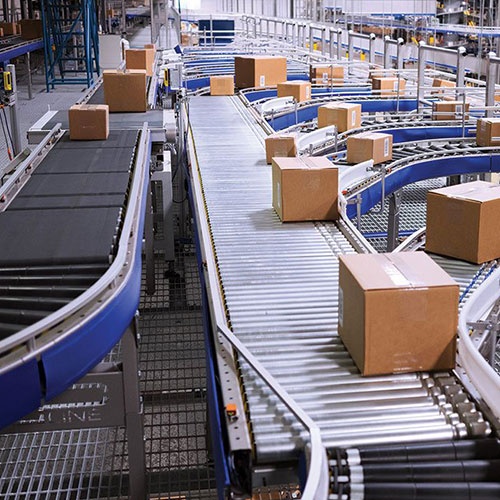




Custom packaging factories set a minimum order quantity to ensure production remains efficient and profitable. The minimum order quantity, often called MOQ, represents the fewest number of units you must order for a custom run. This requirement helps factories cover the costs of materials, labor, and machine time. In the packaging industry, you see MOQs set higher because factories operate on a low-margin, high-volume model.
-
Manufacturers across many sectors use MOQs to avoid disruptions and inefficiencies from small, frequent orders.
-
Larger order sizes often lead to better pricing, reflecting the economic sense behind MOQs.
Understanding MOQs lets you make smarter choices when sourcing packaging, whether you run a large company or a small business.
Key Takeaways
-
Minimum Order Quantity (MOQ) ensures production efficiency and profitability for custom packaging factories.
-
Understanding MOQs helps you negotiate better terms and manage costs effectively.
-
Low MOQs provide flexibility for small businesses to test new products without large upfront investments.
-
Negotiating MOQ terms can lead to better pricing and inventory management, especially for startups.
-
Always clarify MOQ terms with suppliers to avoid unexpected costs and support effective inventory management.
Understanding MOQs
Minimum Order Quantity Defined
When you explore custom packaging, you encounter the term minimum order quantity frequently. This concept refers to the smallest quantity of packaging units you must purchase for a supplier to process your order. In the packaging industry, the minimum order quantity ensures that production remains feasible and profitable for both you and the manufacturer. Understanding moqs helps you recognize why suppliers set these limits. The minimum order quantity covers the costs of raw materials, labor, and machine setup. If you run a small business, a low moq allows you to access custom packaging without committing to a large order. This flexibility supports startups and SMEs, letting you test new products or packaging designs with less risk.
Tip: Always ask your supplier about their minimum order quantity before starting a project. This step helps you plan your budget and inventory more effectively.
Why MOQs Matter in Packaging
Understanding moqs gives you insight into how suppliers manage production and inventory. The minimum order quantity acts as a safeguard for manufacturers, ensuring that each order meets their cost requirements. Several factors determine the moq for custom packaging products:
-
Production costs, including materials, labor, and administrative expenses.
-
Supplier requirements, such as holding costs and profit margins.
-
Demand analysis, which considers seasonality and competition.
The relationship between you and your supplier often revolves around moq negotiations. Suppliers may adjust the minimum order quantity for repeat clients or in response to market demand. Effective communication helps you negotiate better terms, especially if you operate a small business. The table below shows how moqs influence contract terms and supplier-buyer dynamics:
|
Aspect |
Influence on Negotiation |
|---|---|
|
MOQs as Negotiation Point |
Serve as a key factor in supplier agreements. |
|
Contract Terms |
Can lead to adjustments in payment arrangements. |
|
Supplier-Buyer Dynamics |
Affects relationships, especially for small businesses. |
|
Flexibility for Buyers |
Suppliers may adjust moqs for repeat clients. |
Understanding moqs empowers you to make informed decisions, manage costs, and build stronger supplier relationships. When you know the minimum order quantity, you can plan your orders, negotiate terms, and optimize your packaging strategy.
Reasons for MOQ in Custom Packaging
Production Efficiency
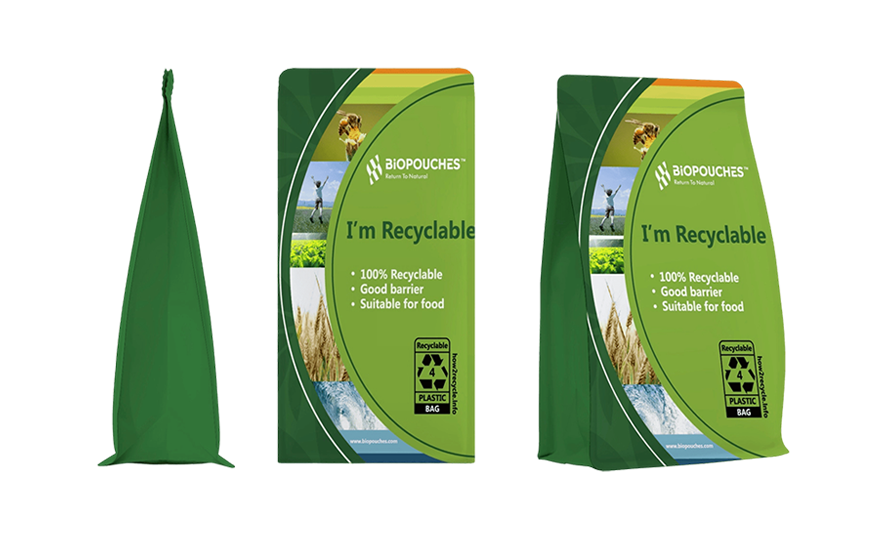
You benefit from understanding how production efficiency shapes the minimum order quantity in custom packaging. Factories design their processes to run best with a certain batch size. When you place an order that meets or exceeds the minimum, you help the factory maximize machine use and labor productivity. Smaller orders disrupt this flow, leading to more frequent machine setups and downtime. This inefficiency increases costs for both you and the supplier.
Many packaging factories rely on commercial-scale batches to validate their processes and maintain compliance. Full-scale manufacturing requires specific interventions that only occur with larger batch sizes. Sampling at different time points during packaging also becomes more thorough and reliable with higher quantities. The table below highlights key points about production efficiency and batch size:
|
Key Point |
Explanation |
|---|---|
|
Commercial Scale Batches |
Factories validate processes using commercial-scale batches for efficiency. |
|
Full-Scale Manufacturing |
Larger batches allow for interventions not possible with small orders. |
|
Sampling Requirements |
Higher quantities enable thorough sampling and quality checks. |
When you meet the minimum order quantity, you help the factory distribute fixed costs, such as machine setup and labor, across more units. This approach lowers the cost per unit and ensures a smoother production run. Orders below the minimum often result in higher unit costs and less efficient use of resources.
Cost and Material Management
Cost and material management play a major role in setting the minimum order quantity. Factories must cover fixed costs, including setup charges, administrative expenses, and equipment wear. When you place a larger order, these costs spread across more units, reducing the price you pay for each piece. The table below shows how order size affects unit cost:
|
Order Size |
Unit Cost Impact |
|---|---|
|
Larger Orders |
Lower unit costs due to fixed costs spread over more units |
|
Smaller Orders |
Higher unit costs due to fixed costs divided by fewer units |
Bulk purchasing of materials also drives down costs for both you and the factory. When you commit to a higher quantity, the factory can negotiate better rates with suppliers and lock in lower prices for raw materials. This strategy stabilizes pricing and reduces cost volatility. You gain access to standard pricing tiers, which further enhances procurement efficiency. The following list summarizes the benefits of bulk purchasing and cost management:
-
You pay less per unit when you increase your order quantity.
-
Fixed costs get distributed over a larger output, lowering your overall cost.
-
Early booking of materials secures better prices and reduces risk.
-
Bulk purchasing allows for more stable price quotes on large orders.
-
Long-term commitments help suppliers offer better rates and manage costs.
Factories also use the minimum order quantity to minimize material waste. Digital printing and right-sized packaging help reduce excess material, especially for smaller runs. Modular box designs let you use standardized packaging across different products, streamlining fulfillment and cutting waste. However, orders below the minimum often lead to increased waste and higher costs, making them less attractive for both you and the supplier.
By understanding how production efficiency and cost management influence the minimum order quantity, you can make smarter decisions when placing orders. You support your supplier’s operations and benefit from lower costs, better quality, and more reliable service.
MOQ Impact on Buyers
Challenges for Small Businesses
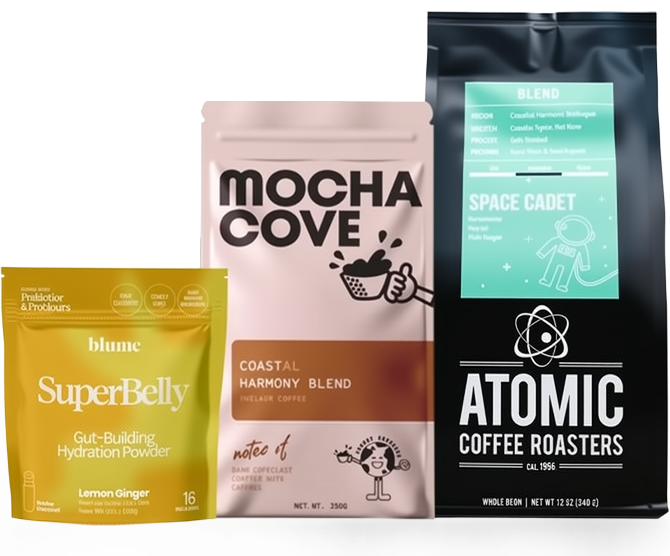
You face unique challenges when dealing with the minimum order quantity in custom packaging. High moq requirements often create barriers that limit your ability to compete with larger companies. When you cannot meet the minimum, you lose access to wholesale pricing and favorable terms. This situation puts you at a disadvantage, especially when your competitors can place larger orders and secure better rates.
Managing inventory becomes a significant concern. Large minimums force you to purchase more packaging than you need. This excess inventory can overwhelm your storage space and increase your operational costs. You may find your cash flow strained as you tie up funds in unsold packaging. Startups and small businesses often struggle with these financial constraints. You must invest substantial capital upfront, which reduces your flexibility and limits your ability to respond to market changes.
Note: High minimum order quantity can restrict your ability to experiment with new packaging designs. You may find it difficult to adapt quickly to trends or customer preferences.
You also face challenges in inventory management. Storing large quantities increases the risk of obsolescence, especially if your product line changes or demand shifts. Excess inventory can lead to waste and environmental concerns. You may lack bargaining power when negotiating with suppliers, which results in less favorable terms and higher costs.
Consider these common challenges you might encounter with high moq:
-
Financial constraints due to large upfront investments.
-
Inventory management difficulties, including storage and risk of outdated packaging.
-
Limited flexibility to test new designs or respond to market trends.
-
Increased waste and environmental impact from excess inventory.
-
Weaker negotiating position with suppliers.
You may also experience limited financial flexibility. Ordering more than you need to meet the minimum can strain your cash flow and hinder your ability to invest in other areas of your business. When you tie up capital in inventory, you reduce your capacity to fund marketing, product development, or other operational needs.
Benefits of Low MOQ
Access to low moq options offers you several advantages in the custom packaging market. When you can place smaller orders, you reduce your financial risk. You avoid overstocking and minimize upfront inventory costs. This approach allows you to manage your cash flow more effectively and keep your business agile.
Low minimum order quantity gives you the flexibility to test new products or packaging designs without committing to large volumes. You can experiment with different styles, materials, or branding elements. This flexibility helps you respond quickly to market trends and customer feedback. Startups benefit the most, as they can gauge demand before scaling up production.
The table below highlights the measurable benefits you gain from low moq in custom packaging:
|
Benefit |
Description |
|---|---|
|
Lower Financial Risk |
Avoids overstocking and upfront inventory costs. |
|
More Flexibility |
Enables testing of new products before large orders. |
|
Ideal for Startups |
Helps test demand before committing to large-scale production. |
Low moq also improves your inventory management. You can buy smaller quantities, which reduces warehousing costs and enhances inventory turnover. This strategy keeps your inventory fresh and lowers the risk of obsolescence. You maintain better control over your stock levels and avoid tying up cash in unsold packaging.
-
Low minimum order quantity enables you to purchase only what you need, reducing storage costs.
-
You can increase inventory turnover, which supports healthy cash flow.
-
You lower the risk of holding obsolete packaging as market conditions change.
-
You keep your working capital available for other business needs.
Tip: While low moq offers many benefits, you may face higher per-unit costs and increased administrative expenses due to more frequent orders. Weigh these factors carefully when planning your packaging strategy.
You gain the ability to adapt quickly and stay competitive in a fast-changing market. Low minimums empower you to make smarter decisions, manage your inventory efficiently, and support your business growth.
Ordering with Low MOQ
Finding Flexible Suppliers
You can access custom packaging with a low minimum order quantity by targeting suppliers who offer flexible terms. Many suppliers understand the needs of small businesses and startups. They design their minimums to support your growth and help you manage inventory efficiently. When you search for the right partner, look for those who advertise low minimums or highlight their willingness to work with smaller orders.
A few strategies can help you identify suppliers who support low moq:
|
Strategy |
Description |
|---|---|
|
Intelligent Negotiation |
Start conversations to adjust the minimum order quantity to fit your needs. |
|
Finding the Right Supplier |
Seek out suppliers known for flexible moq policies. |
|
Forming Consortiums |
Join forces with other small buyers to meet the minimum collectively. |
You can also ask for samples before committing to a larger quantity. Sharing your business growth plans may encourage suppliers to lower their minimums. Some suppliers offer stock options or ready-made designs, which can reduce the minimum order quantity. Bundling different items in one order helps you meet the minimum while keeping inventory manageable. Building strong relationships with suppliers often leads to better deals and more flexible moq terms.
Negotiating MOQ Terms
Negotiating the minimum order quantity requires preparation and a clear understanding of your supplier’s constraints. Many suppliers set their minimums to cover fixed production costs and ensure profitability. You can improve your chances of securing a lower moq by researching the supplier’s production process and current order sizes. Presenting yourself as a long-term partner increases your leverage.
Consider these effective negotiation tactics:
-
Propose a trial order with a smaller quantity to demonstrate your potential as a repeat customer.
-
Offer to share setup costs, making it easier for the supplier to accept a lower minimum.
-
Use market data and sales projections to show your growth potential.
-
Suggest favorable payment terms, such as advance payments or larger deposits.
-
Indicate that you have alternative options, which can motivate suppliers to negotiate.
Suppliers often respond positively when you discuss long-term relationships and future order increases. If you show flexibility and a willingness to collaborate, you can often secure a lower minimum order quantity. This approach helps you manage inventory and storage concerns, allowing you to adapt packaging based on customer feedback and market trends. Smaller orders lead to quicker production intervals, giving you the flexibility to respond to demand changes. You gain better control over inventory management, reduce the risk of excess stock, and maintain healthy cash flow.
Tip: Always clarify the terms and conditions related to minimum order quantity before finalizing your order. This step ensures you avoid unexpected costs and supports effective inventory management.
You see that custom packaging factories set MOQs to cover tooling costs, manage materials, and ensure efficient production. Understanding these policies helps you negotiate better terms, avoid excess inventory, and improve cash flow.
-
MOQs for offset-printed boxes often range from 5,000 to 20,000 units, while digital printing can lower this threshold.
-
Knowing MOQ policies lets you streamline inventory and access bulk pricing.
|
Tip |
Action |
|---|---|
|
Assess demand |
Forecast your needs before ordering. |
|
Negotiate with suppliers |
Seek flexible MOQ terms and clarify expectations early. |
|
Diversify sourcing |
Work with multiple suppliers to reduce risk and increase flexibility. |
FAQ
What does MOQ mean in custom packaging?
MOQ stands for minimum order quantity. You must order at least this number of units for a factory to accept your custom packaging request.
Can you negotiate MOQ with suppliers?
You can often negotiate MOQ. Suppliers may lower their minimums if you show growth potential or agree to share setup costs.
Why do some factories set high MOQs?
Factories set high MOQs to cover fixed costs and maximize production efficiency. Larger orders help them reduce waste and secure better material prices.
How does MOQ affect your inventory management?
High MOQs can lead to excess inventory and increased storage costs. Low MOQs help you manage stock levels and reduce financial risk.

 Network Supported