

Author
Marie R. Winters


Product packaging in the specialty coffee, gourmet food, and premium pet nutrition industries does far more than hold contents. It functions as an engineered micro-climate. Whether you are roasting single-origin Arabica beans that release active carbon dioxide, formulating high-protein pet kibble vulnerable to lipid oxidation, or packaging organic snacks requiring crisp moisture defense, your packaging architecture dictates your product's shelf life, aroma retention, and retail margins.
For brand founders, production directors, and procurement managers, navigating manufacturing quotes for custom flexible packaging bags can often feel complex. Two bags that appear identical on the surface can exhibit drastically different unit pricing and barrier shelf lives. At the same time, brands frequently re-evaluate the operational costs of rigid cans and jars versus modern high-barrier flexible pouches when scaling their product lines.
This technical manufacturing guide examines what genuinely dictates the manufacturing cost of custom flexible pouches, explores the functional differences between rigid containers and flexible barrier bags across food, pet nutrition, and coffee applications, and details how engineered bio-based substrates can protect your product while reducing overall logistics overhead.
Core Cost Drivers: The primary factors governing flexible pouch pricing are material laminate structure (aluminum foil vs. metallized PET vs. bio-compostable PLA/Kraft), pouch structural format, print plate tooling, order volume (MOQ scaling), and functional add-ons like degassing valves and zippers.
Coffee Packaging Engineering: Specialty coffee demands one-way degassing valves and ultra-low Oxygen Transmission Rates (OTR) to exhaust CO2 without admitting ambient oxygen, making Flat Bottom and Side Gusset foil pouches the industry standard.
Pet Food Packaging Demands: High-fat kibble and pet treats require puncture-resistant multi-layer laminates with superior grease-proof barrier layers and heavy-duty reclosable zippers to prevent fat rancidity and moisture ingress.
Rigid vs. Flexible Economics: Replacing rigid tin cans, composite canisters, or glass jars with flexible pouches reduces packaging tare weight by up to 85% and slashes warehouse storage and inbound transport volume by over 80%.
Sustainable Pouch Evolution: Certified industrially compostable films (Kraft/PLA) and mono-material recyclable PE laminates now deliver barrier and puncture metrics comparable to conventional fossil-fuel plastics, fulfilling international retail ESG compliance.
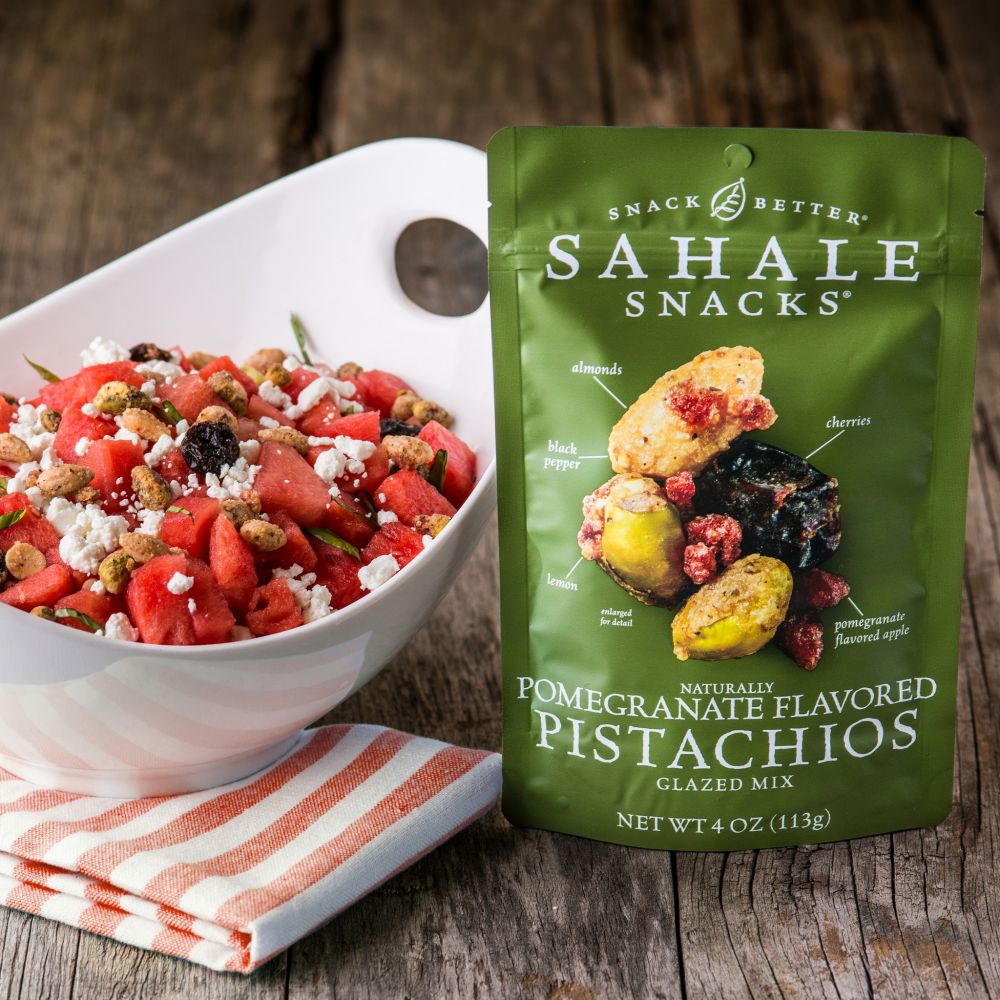
Flexible packaging bags are composite laminates precision-bonded through extrusion or solventless lamination. A single pouch often unites two to four distinct functional layers to balance tensile strength, puncture resistance, hermetic sealing, and light barrier defense.
When analyzing production estimates, five core manufacturing factors dictate the final unit cost.
The physical silhouette of the pouch directly affects web material consumption, machine running speeds, and tooling setup time on automated conversion lines:
Flat Bottom Pouches (Box Pouches): Widely recognized as the premier packaging format for high-end roasted coffee and gourmet pet nutrition. Featuring five distinct printable panels (front, back, two side gussets, and an entirely flat base), this bag stands upright with exceptional stability. Forming a flat-bottom pouch requires specialized multi-station sealing mandrels, which commands higher conversion overhead compared to simpler formats. However, it maximizes shelf space efficiency and pallet density.
Side Gusset Pouches: The traditional favorite for commercial roasted coffee, bulk tea, and institutional food ingredients. Expanding side gussets accommodate substantial product volume while maintaining a slender vertical footprint. Side gusset bags run at high linear speeds, making them cost-competitive for medium to large product volumes.
Stand-Up Pouches (Doypacks): The industry workhorse for snacks, jerky, freeze-dried pet treats, and confectionery. Built with a continuous bottom W-gusset, Doypacks stand unaided when loaded. Because stand-up pouch converting equipment is widely standardized, this format provides the most economical balance between retail shelf presence and production costs.
Flat Pouches (3-Side Seal / Pillow Bags): Fabricated with no bottom or side folds, flat sachets use the least surface area of film and operate at the fastest conversion cycles. They are the most affordable flexible format, making them ideal for single-serve coffee drip bags, pet food trial samples, protein powder single-doses, and spice packets.
Paper Pouches: Utilizing renewable natural Kraft or bleached white paper outer layers, paper pouches provide an organic, tactile aesthetic that resonates with health-conscious consumers. Because paper webs behave differently under tension and heat than polymer films, laminating paper to barrier and sealant layers requires precise tension controls, slightly increasing manufacturing costs over basic plastic films.
Material substrates account for 55% to 70% of the unit cost of a custom flexible bag. Different formulations impose unique physical and chemical demands:
Coffee Barrier Needs: Whole bean coffee degasses substantial amounts of carbon dioxide while remaining highly susceptible to oxygen-induced staling. Packaging must achieve near-zero OTR (< 0.5 cc/m²/day). This requires laminates incorporating pure aluminum foil (PET / AL / PE) or high-barrier metallized films (PET / VMPET / PE), which sit at the premium end of raw material pricing.
Pet Food Barrier Needs: Pet kibbles and oily dog treats contain animal fats and essential fatty acids. If the interior sealant layer lacks adequate chemical resistance, oils will migrate into the laminate, causing layer delamination and oxidation. Heavy kibble bags also require high tear strength (such as biaxially oriented nylon, PA/NY) to survive transport drops, increasing material investment.
General Food & Snack Needs: Dry baked goods and confectioneries require moisture defense (Water Vapor Transmission Rate - WVTR < 1.0 g/m²/day) to maintain crispness, typically serviced by cost-efficient standard laminates like BOPP/VM-CPP or PET/PE.
Sustainable Substrates (Compostable & Recyclable): Emerging environmental regulations have driven demand for circular packaging. Bio-compostable structures (e.g., Kraft Paper / PLA / PBAT) and certified mono-material PE/PE structures are engineered with specialized barrier coatings (such as EVOH or AlOx). While these sustainable materials command a 20% to 35% premium over conventional virgin films, they protect brands from emerging virgin-plastic packaging taxes in key international markets.
Printing accounts for a major portion of your initial cash outlay and long-term unit margins:
|
Printing Technology |
Tooling & Setup Investment |
Optimal Order Volume |
Unit Cost at Scale |
Application Fit |
|---|---|---|---|---|
|
Rotogravure Printing |
$150 - $300 per engraved cylinder |
15,000 to 500,000+ units |
Lowest per-unit production cost |
High-volume standard SKUs, flagship coffee blends, staple pet food lines |
|
Digital Web Printing |
$0 (Zero plate or cylinder costs) |
500 to 10,000 units |
Higher per-bag ink & run cost |
Seasonal coffee micro-lots, limited pet treat runs, multi-flavor launches |
Integrating specialized components into the converting line adds modest mechanical setup and component costs, but directly safeguards product integrity:
One-Way Degassing Valves: Mandatory for freshly roasted whole bean coffee. The internal membrane permits trapped carbon dioxide to vent without letting ambient oxygen enter. Industrial thermal welding of these valves adds a fraction of a cent per bag, but prevents explosive pouch swelling on store shelves.
Resealable Closures: Options include standard press-to-close zippers, front pocket tear-strip zippers (ideal for flat-bottom bags), powder-proof zippers (essential for fine matcha or flour), and heavy-duty grip-locks for multi-kilogram pet food bags.
Laser Scoring & Tear Notches: Facilitates clean, straight horizontal opening without requiring scissors, improving consumer satisfaction.
Surface Finishes & Windows: Soft-touch tactile matte lacquers, selective spot UV gloss, metallic stamping, and transparent window cutouts (enabling buyers to view pet treats or dry snacks directly) each add minor finishing fees.
When planning container architecture, product developers often compare conventional rigid formats—such as composite tins, metal cans, glass jars, and plastic bottles—against modern flexible food, pet food, and coffee packaging pouches. Evaluating the functional differences between rigid containers and flexible packaging reveals why flexible formats are rapidly gaining market share across grocery aisles.
Rigid Cans, Tins, and Glass Jars: Offer a fixed three-dimensional structure and high crush resistance under vertical loads. However, rigid containers take up their entire physical volume even when completely empty. A pallet of empty tin coffee cans or glass jars occupies identical warehouse space to filled ones, driving up inbound logistics and warehousing expenses.
Flexible Barrier Pouches: Delivered flat in tightly nested cartons. A single standard pallet can hold up to 25,000 to 30,000 flat flexible pouches, compared to fewer than 3,000 empty rigid cans or jars. This 85%+ reduction in empty container volume directly slashes ocean freight costs, warehouse storage fees, and handling labor.
When a consumer opens a rigid coffee can or cookie jar and uses half the contents, the remaining volume fills with ambient air. This trapped oxygen continues to degrade the remaining product every time the lid is closed.
In contrast, flexible stand-up and flat-bottom pouches allow users to collapse the bag walls and squeeze out excess headspace air before resealing the zipper. This minimizes oxygen exposure, keeping roasted coffee beans, freeze-dried pet treats, and dehydrated snacks fresh and crisp down to the final serving.
|
Technical Parameter |
Flexible Barrier Pouches |
Rigid Tin Cans / Canisters |
Glass Jars / Bottles |
|---|---|---|---|
|
Tare Packaging Weight |
Ultra-Light (10g - 25g) |
Moderate (80g - 150g) |
Heavy (200g - 400g) |
|
Inbound Freight Efficiency |
Ships 100% flat; maximum density |
Ships empty 3D volume; bulky |
Bulky, high shipping freight |
|
Breakage & Dent Risk |
Zero shatter, high drop impact resistance |
Susceptible to denting during transit |
High fracture and shatter hazard |
|
Degassing Valve Compatibility |
Seamless internal thermal weld |
Requires complex lid valve fittings |
Not practically viable |
|
Headspace Evacuation |
Squeezable walls expel air before resealing |
Constant fixed air volume |
Constant fixed air volume |
|
Eco-Footprint & Disposal |
Certified compostable or recyclable mono-PE |
High energy smelting required |
Energy-heavy thermal recycling |
To maximize commercial return on packaging investments, matching your specific product category to the appropriate pouch format is critical:
Specialty Coffee (Whole Bean & Ground): The Flat Bottom Pouch and Side Gusset Pouch with integrated one-way degassing valves remain the premier choices. The multi-layer foil structure locks in delicate volatile aromatic oils and protects roast profiles against humidity and oxygen.
Dry Pet Food & Kibble (1kg to 10kg+): The Flat Bottom Box Pouch or heavy-duty Side Gusset Pouch constructed with nylon-reinforced barrier plies and wide slider zippers. These provide grease resistance and prevent bag rupture during pallet transport.
Pet Treats & Jerky: The Stand-Up Pouch (Doypack) with a resealable zipper and high-transparency barrier window. This setup allows consumers to inspect treat quality directly while maintaining moisture and mold defense.
Organic Cereals, Nuts, and Dry Foods: The Kraft Paper Pouch or mono-PE recyclable Stand-Up Pouch. These formats emphasize clean, organic brand positioning while delivering certified barrier properties against oxygen and moisture vapor.
Choosing the right packaging converter means finding a manufacturing partner who balances technical barrier engineering with verified environmental sustainability. Bioflexi specializes in high-barrier flexible packaging bags, biodegradable films, and fully customized pouches tailored specifically for the international food, pet nutrition, and specialty coffee sectors.
Bioflexi delivers end-to-end manufacturing support across all five primary flexible pouch categories:
Full Structural Breadth: High-speed automated production of Flat Bottom Pouches, Side Gusset Pouches, Stand-Up Pouches, Flat Pouches, and Paper Pouches.
Next-Generation Sustainable Materials: Industrial and home-compostable barrier laminates (complying with EN 13432 and TÜV OK Compost standards), certified FSC Kraft papers, and circular mono-material PE/PE structures.
Food & Feed Grade Compliance: 100% certified food-contact compliant production facilities adhering to rigorous FDA, BRC, and EU hygiene and safety protocols.
Precision Printing & Customization: Advanced rotogravure printing for large runs alongside short-run digital flexibility, offering precise Pantone color matching, soft-touch matte finishes, degassing valve installations, and custom zipper integrations.
The flat-bottom pouch (box pouch) features five printable panels and a flat rectangular base that allows the bag to stand completely upright without tipping over. For coffee and pet food, this format maximizes retail shelf visibility, optimizes cubic storage efficiency on retail shelving, and provides a stable base for high-volume content compared to traditional bags.
Freshly roasted coffee beans release significant volumes of carbon dioxide (CO2) over several days post-roast. Without a one-way degassing valve, the trapped gas would cause an airtight bag to swell and potentially burst. The valve allows internal CO2 to escape continuously while preventing external oxygen from entering and staling the coffee.
High-protein kibbles and pet treats contain natural fats and oils that can break down standard single-layer plastics. High-performance pet food pouches utilize multi-layer barrier laminations incorporating biaxially oriented nylon (PA) and specialty linear low-density polyethylene (LLDPE) sealant films with high grease-resistance to prevent oil migration, pouch delamination, and lipid oxidation.
Yes. Modern sustainable pouches developed by manufacturers like Bioflexi incorporate advanced bio-barrier coatings (such as plant-based PLA or high-barrier EVOH layers within mono-PE structures). These engineered bio-laminates deliver low oxygen and moisture transmission rates that protect food freshness and aroma just as effectively as conventional fossil-based barrier films.
For rotogravure-printed custom pouches, orders of 10,000 to 20,000 units or higher achieve the most cost-effective unit pricing, as fixed setup and print cylinder tooling costs amortize across the run. For early-stage testing, seasonal releases, or multi-SKU runs under 5,000 units, digital printing provides a zero-cylinder alternative with faster turnaround times.
lf you would like to work with us or just want to get intouch, we'd love to hear from you!

Copyright @ 2026 Shanghai BioPouches Co., Ltd All Rights Reserved. Network Supported
leave a message