

Author
Marie R. Winters


When high-speed production lines run, poor packaging creates instant chaos for your business. Seal leakage and burst bags cause immediate product loss, severe contamination risks, and costly machine downtime. Specific thermal, mechanical, and material mismatches trigger these flexible packaging defects during manufacturing and transit.
Note: Preventing packaging defects requires targeted material choices and precise machine settings.
Understanding these root causes helps you eliminate structural failure modes through smarter packaging engineering. BioPouches delivers reliable solutions like High-Barrier Packaging Bags to protect your brand integrity.
Calibrate heat, pressure, and time settings on machines to create strong pouch seals.
Choose compatible materials to prevent leaks and structural breaks during production.
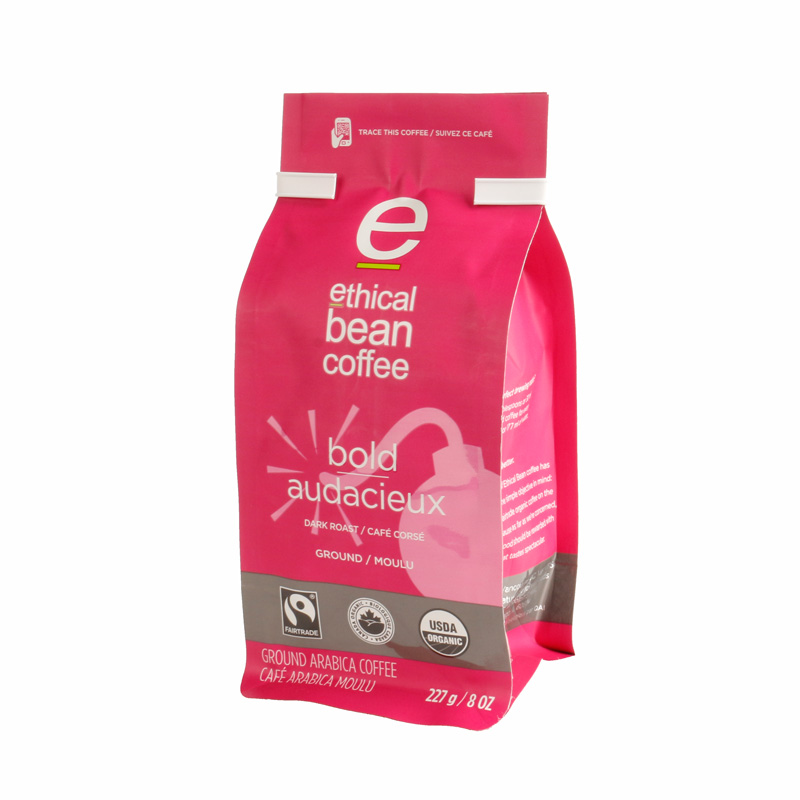
Use one-way degassing valves on coffee bags to release gases and prevent bursts.
Test finished packages with non-destructive methods to catch micro-leaks early.
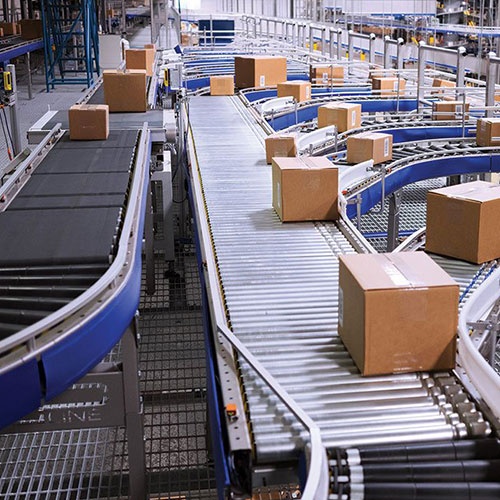
Automated form-fill-seal machines create strong seals through heat, pressure, and timing. Minor machine variations cause severe flexible packaging defects and costly downtime.
Your production equipment relies on three core variables: temperature, pressure, and dwell time. Imbalances in these settings immediately ruin your overall packaging quality.
|
Sealing Parameter |
Direct Effect on Packaging & Seal Strength |
|---|---|
|
Temperature / Heat |
Dictates sealant melting. Excessive heat degrades hot tack and weakens seals. |
|
Pressure |
Facilitates physical bonding between packaging layers. |
|
Dwell Time |
Provides the duration needed for the sealant layer to reach its required seal initiation temperature. |
Incorrect machine settings cause weak structural bonds. High heat burns thin films, while low pressure creates unsealed channels. You must calibrate these parameters constantly to prevent flexible packaging defects during high-speed production runs.
Modern brands often shift from traditional multi-layer plastics to eco-friendly substrates. However, sustainable films react differently under heat and mechanical stress.
|
Film Type |
Structural Material |
Sealant Material |
Operating Heat-Sealing Window |
|---|---|---|---|
|
Traditional Multi-Layer Film |
PET |
LLDPE |
Broad window of 20–30°C |
|
Mono-Material Film |
PE |
PE |
Extremely narrow window of 2–5°C |
Traditional multi-layer films tolerate wide thermal fluctuations. Recyclable PE mono-material structures feature an extremely narrow window of 2–5°C. Excessive heat distorts the outer PE layer quickly. Meanwhile, certified compostable materials require strict processing temperatures between 180–210°C to avoid thermal degradation.
Selecting the right materials ensures strong seal integrity without sacrificing performance.
Shanghai BioPouches Co., Ltd. acts as an industry pioneer in sustainable film engineering. BioPouches provides high-performance flexible packaging options, including durable High-Barrier Packaging Bags and versatile Custom Stand-Up Pouches. These structures maintain barrier integrity under strict processing conditions. Selecting proper materials protects diverse goods, ranging from retail food items to sensitive pharmaceutical packaging. With correctly matched film layers, you eliminate packaging defects and ensure total product protection.
Identifying common packaging defects helps you maintain strong quality control across every production line. Understanding these common packaging defects allows you to fix machine errors quickly and eliminate recurring packaging defects.
Unpressed seal sections create channel leaks when misalignment occurs on sealing jaws. Powder contamination, dust particles, and material folds between film layers also prevent complete polymer bonding, leading to severe leakage issues.
Pressure Deficiencies: Misaligned sealing jaws leave unsealed channels across the pouch seam.
Seal Zone Contamination: Ingress of dry powders or liquid spills blocks physical adhesive contact.
Corrective Action: Align seal jaws precisely, clear dust from the seal area, and optimize dwell time to ensure complete thermal bonding. This prevents unwanted product leakage in transit.
Incorrect adhesive coating weight causes layer separation in flexible packaging defects. Low dry coating weight creates unbonded air pockets, while excessive solvent moisture leads to substrate slipping. To protect your brand, BioPouches utilizes advanced solvent-free lamination technology. This process eliminates trapped vapors and delivers high long-term bond strength, protecting food items and Degassing Valve Coffee Bags from delamination.
Transport vibration subjects rigid barrier layers like aluminum foil to constant dynamic stress. Micro-fractures develop along fold lines over time. This foil flex cracking causes full barrier failure in sensitive goods and pharmaceutical packaging. You can eliminate micro-cracking by replacing brittle aluminum foils with durable, high-flex barrier films such as recyclable PE mono-structures or certified compostable polymers meeting EN 13432 and ASTM D6400 standards.
Sharp product edges cause instant punctures during automated loading. Standard testing methods like ASTM D1922 evaluate tear propagation resistance, while ASTM D1709 measures impact resistance through the drop dart technique. You can prevent structural cracking and breakage by upgrading your film formulas to Linear Low-Density Polyethylene (LLDPE) resins or reinforced PCR film blends. You can stop packaging defects by adjusting film thickness.
Air transport exposes flexible pouches to low atmospheric pressure. Trapped internal gases expand and place high mechanical stress on hermetic seals, increasing burst risks. Freshly roasted coffee beans also emit carbon dioxide gas continuously.
|
Environmental Cause |
Impact on Seal Integrity |
Prevention Strategy |
|---|---|---|
|
Altitude Pressure Drop |
Internal gas expansion stresses packaging walls |
Perform standard burst testing protocols |
|
Off-Gassing Products |
Continuous CO2 buildup causes seam ruptures |
Integrate one-way degassing valves to release CO2 |
Proper package engineering stops continuous packaging defects, protecting products like pharmaceutical packaging during global shipping.
You can protect your production line from costly downtime by applying active quality control measures. Catching common packaging problems early keeps your business profitable and protects your reputation.
Modern factories use standard quality protocols to identify unexpected leakage. Engineers test finished pouches with burst testing, dye penetration tests, and vacuum decay methods. Vacuum decay offers major operational benefits over visual inspections.
|
Testing Method |
Evaluation Type |
Sensitivity Threshold |
Sample Impact |
|---|---|---|---|
|
Vacuum Decay (ASTM F2338) |
Quantitative & Non-Destructive |
Detects leaks down to 5 µm |
Reusable |
|
Dye Penetration |
Qualitative & Destructive |
Detects leaks down to 20 µm |
Discarded |
Non-destructive testing catches micro-flaws instantly. You save valuable products while preventing defects before shipping.
Preventing defects starts with certified materials. Shanghai BioPouches Co., Ltd. maintains BRC, BPI, and GRS 4.0 certified facilities to ensure reliable performance. BioPouches operates high-speed rotogravure presses to guarantee uniform film thickness across every roll.
Certified Raw Materials ➔ Uniform Film Thickness ➔ Flawless Sealability ➔ Zero Defects
Uniform film thickness guarantees flawless sealability on high-speed equipment. Consistent structural layers stop packaging defects across every packaging format, including:
Custom Stand-Up Pouches for retail displays
High-Barrier Packaging Bags for sensitive foods
Degassing Valve Coffee Bags for specialty beans
Consistently engineered packaging reduces waste and improves overall efficiency. You avoid unexpected packaging defects and deliver flawless products to consumers every time.
Solving flexible packaging defects requires balancing heat-sealing parameters, selecting durable substrates, and maintaining strict quality control. Proper design and engineering allow sustainable packaging options—such as recyclable PE/PE mono-materials, compostable films, or PCR structures—to deliver low oxygen transmission rates and strong seal integrity. You do not need to sacrifice durability for sustainability.
Take Action: Consult the packaging engineers at Shanghai BioPouches Co., Ltd. to audit your film structures today.
Our BioPouches team optimizes your Custom Stand-Up Pouches, High-Barrier Packaging Bags, and Degassing Valve Coffee Bags to stop leaks permanently.
Quick Tip: Non-destructive testing methods preserve your product samples while detecting hidden seal failures.
You can use non-destructive vacuum decay testing or destructive dye penetration methods. These tests quickly detect small seal leaks. As a result, you stop defective items before they reach customers.
Moisture and oxygen easily ruin sensitive medical products. Strong packaging seals prevent contamination and keep products safe. BioPouches engineers High-Barrier Packaging Bags to shield these critical supplies from ambient air and environmental damage.
Freshly roasted coffee releases carbon dioxide continuously inside sealed bags. One-way valves release this trapped gas without letting outside air back in. BioPouches provides Degassing Valve Coffee Bags to stop seam ruptures during shipping.
| Material Option | Environmental Benefit | Barrier Performance | | : | : | : | | Recyclable Mono-PE | Supports circular economy | High moisture barrier | | Compostable Film | Zero landfill waste | Excellent oxygen barrier |
Yes, you can switch to eco-friendly films easily. Recyclable mono-PE and compostable structures offer strong barrier protection. BioPouches customizes durable Custom Stand-Up Pouches to keep your retail goods fresh while reducing environmental waste.
lf you would like to work with us or just want to get intouch, we'd love to hear from you!

Copyright @ 2026 Shanghai BioPouches Co., Ltd All Rights Reserved. Network Supported
leave a message