

Author
Marie R. Winters


Choosing a printing method for flat bottom pouches is not just about making packaging look attractive. Food brands also need to consider order quantity, color consistency, material compatibility, production costs, and how the finished pouch will perform on retail shelves. A design that works well for a small product launch may not be the most economical choice for a long-term, high-volume order.
For coffee roasters, snack manufacturers, tea brands, and private-label food businesses, the right printing process can make it easier to maintain a consistent brand image while managing packaging costs. This guide explains the main printing methods used for flat bottom pouches, when each option makes sense, and what buyers should confirm before placing a production order.
As a flexible packaging manufacturer, Bioflexi provides customizable pouch solutions with different printing processes, material structures, finishes, and closure options for food packaging applications.
Flat bottom pouches have a box-like structure that allows them to stand upright on shelves. Their front, back, side, and bottom panels provide several areas for branding and product information. This makes them a practical choice for coffee, snacks, nuts, dried fruit, tea, and other packaged foods.
Good packaging printing needs to do more than reproduce a logo. It should make the product name easy to recognize, keep important information readable, and maintain a consistent appearance across different flavors or sizes. At the same time, the ink and printing process must be compatible with the selected packaging material and production requirements.
For brands ordering custom flat bottom pouches, the printing method should be selected alongside the pouch structure, barrier requirements, and order volume rather than treated as a separate decision.

Example of a customized pouch surface and finish. Final printing effects depend on the selected material and production process.
Digital printing transfers artwork directly from a digital file to the printing system without requiring traditional printing plates or engraved cylinders. This makes it particularly useful for brands testing new products, launching seasonal flavors, or managing several packaging designs at once.
One of its main advantages is design flexibility. A business can update artwork, change product information, or prepare different versions for individual SKUs without creating a new set of printing plates for every design. This can simplify packaging development when demand is uncertain or product lines change frequently.
Digital printing is worth considering when:
Digital printing can be a suitable solution for digital printed food packaging, especially when shorter production runs and design flexibility matter more than achieving the lowest possible unit cost at very high volumes.
However, digital printing is not automatically the cheapest option for every order. The final price depends on the printing technology, material, pouch dimensions, order quantity, finishing requirements, and supplier's production capabilities. Ask for a quotation based on your actual specifications instead of comparing printing methods by name alone.
Rotogravure printing uses engraved cylinders to transfer ink onto the packaging material. It is widely used for flexible packaging where consistent color reproduction and repeat production are important.
Although cylinder preparation creates a higher initial setup cost, that cost can be spread across a large production run. For established food brands ordering substantial quantities of the same design, rotogravure may offer an attractive unit cost and consistent results across repeated orders.
This method can be suitable for coffee packaging, snack bags, pet food packaging, and other products that require regular replenishment. It is especially worth evaluating when the artwork is stable and the brand expects to reorder the same packaging over time.
Before choosing rotogravure, confirm the cylinder charges, minimum order quantity, expected production volume, and how future artwork changes will affect costs. If you plan to introduce several new designs, the additional setup expense for each version may influence the decision.
Flexographic printing uses flexible relief plates to apply ink to a range of packaging substrates. It can be a practical option for suitable flexible films and paper-based packaging, depending on the equipment and material structure.
For food brands working with kraft paper or planning repeat production, flexographic printing may offer a useful balance between production efficiency and printing cost. The actual result depends on the plate quality, ink system, substrate, artwork, and printer's capabilities.
Flexography can work well for designs that use clear brand elements, repeatable color combinations, and straightforward graphics. If your artwork includes very fine details, subtle gradients, or demanding color-matching requirements, ask the manufacturer to assess the design before selecting this method.
Do not assume that flexographic printing is always better or cheaper than digital printing. The most suitable option depends on the specific order and should be evaluated through a quotation and, where appropriate, a print sample.
The following comparison provides a starting point for selecting a printing process for custom food pouches.
| Printing Method | Best Fit | Main Consideration |
|---|---|---|
| Digital printing | Short runs, new launches, multiple SKUs | Flexible artwork changes and lower setup requirements |
| Rotogravure printing | Large-volume orders and repeat designs | Cylinder investment and long-run cost efficiency |
| Flexographic printing | Suitable film or paper packaging and repeat production | Plate setup, substrate compatibility, and artwork detail |
There is no universal order-quantity threshold that applies to every supplier. Equipment, pouch specifications, number of colors, and the number of designs can all change the cost comparison. Request prices for the same pouch specification using the available printing methods to make a fair decision.
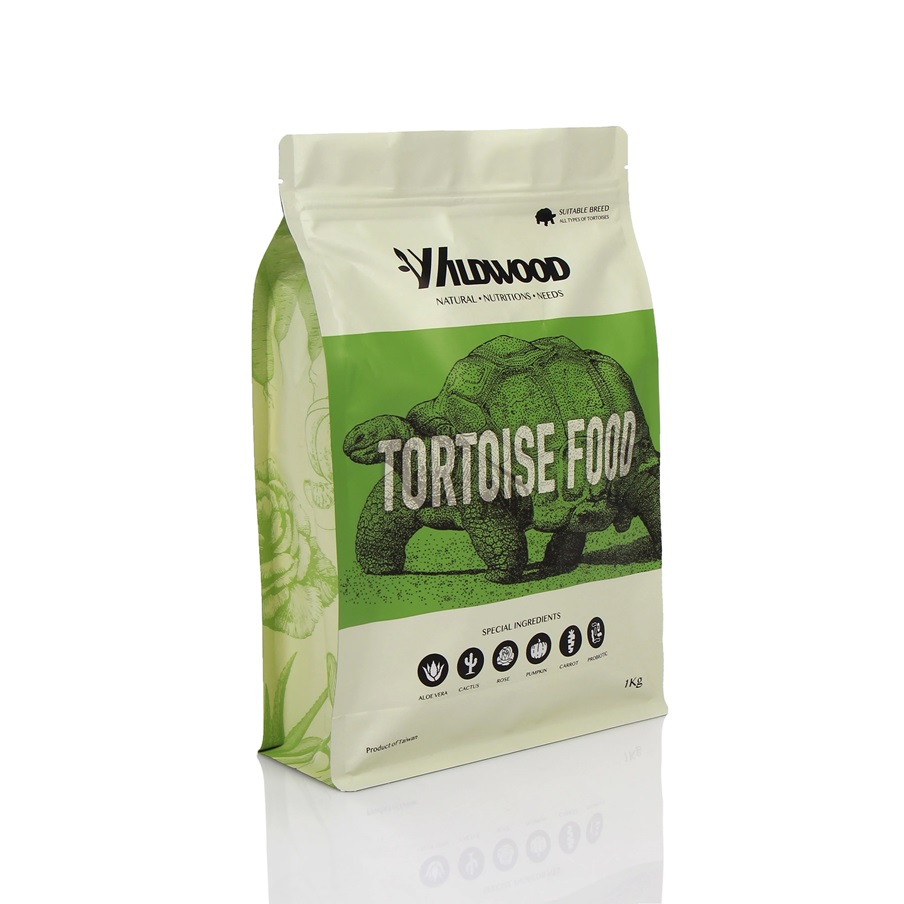
Example of printed flat bottom packaging for a dry product. The same general format can be customized for suitable food applications.
Even the right printing method can produce disappointing results if the artwork or pouch specifications are incomplete. Preparing the following details before requesting a quote can reduce unnecessary revisions and help the manufacturer assess the project accurately.
1. Finalize the pouch dimensions. Confirm the required width, height, bottom structure, filling capacity, and any side gussets. The artwork needs to match the actual pouch template, including folds and sealing areas.
2. Select the packaging material. Coffee, oily snacks, dried fruit, and powdered foods can have different protection requirements. Discuss oxygen and moisture barriers, sealing performance, and product shelf-life expectations with the manufacturer. Printing compatibility should be checked against the chosen material structure.
3. Prepare print-ready artwork. Supply the required design file and confirm the color specifications, image resolution, bleed, font handling, and safe areas. Keep essential text and logos away from seals, folds, and zipper areas where they could become distorted or difficult to read.
4. Plan for different SKUs. If you sell several flavors or product sizes, establish a consistent layout for the product name, logo, ingredients, nutrition information, and other required details. This makes the product range easier to recognize while allowing each version to retain its own identity.
5. Approve a proof or sample. A digital proof helps identify layout problems, but a physical sample can provide a better indication of how the material, finish, and printed colors look in real conditions. For critical color requirements, discuss the available color-matching and approval procedures before mass production.
Printing is only one part of the finished packaging. Surface finishes and material structures also influence how customers perceive a food product and how the pouch performs during storage and handling.
A matte finish can create a restrained, premium appearance, while a gloss finish can make certain colors appear brighter. Soft-touch finishes offer a distinctive tactile feel, and kraft paper can support a natural visual identity. Optional features such as resealable zippers, tear notches, windows, and degassing valves should be selected according to the product and intended use.
Sustainability requirements also need attention. Recyclable, PCR, paper-based, and compostable packaging options are not interchangeable. Each has its own material, barrier, disposal, and certification considerations. Confirm the suitability of the structure for the packaged food and the requirements of the destination market before making environmental claims.
For example, brands selling roasted coffee may need a suitable oxygen barrier and a degassing valve, while snack brands may prioritize moisture protection and resealability. The printing method should work with these functional requirements rather than determine them.
A reliable supplier should be able to discuss printing, materials, pouch construction, and production requirements together. This is particularly important for businesses sourcing custom packaging for export markets, where repeatability, shipping schedules, and product specifications all matter.
When comparing suppliers, ask about their available printing methods, minimum order quantities, material options, artwork support, sample procedures, quality-control process, and production lead times. It is also useful to confirm whether the supplier can accommodate future reorders and additional product designs as your business grows.
Bioflexi offers customizable flat bottom pouch solutions for food and related applications, with printing and material options subject to product specifications. You can explore the flat bottom pouch range or review the custom coffee pouch example to understand available pouch features.
For a more accurate quotation, prepare the product type, pouch size, material preference, artwork, required features, order quantity, and destination market. These details allow the supplier to recommend a practical printing process instead of offering a generic price that may not reflect your actual requirements.
It depends on order quantity, artwork complexity, material, and budget. Digital printing is often useful for short runs and multiple designs, while rotogravure may suit large repeat orders. Flexographic printing can be suitable for compatible films and paper-based packaging. Compare quotations for the same specifications before deciding.
Yes, digital printing can be used for suitable flexible food packaging materials. The manufacturer must confirm material compatibility, ink and packaging construction requirements, and suitability for the intended food-contact application. Printing alone does not determine whether the complete pouch is food-safe.
Digital printing can reduce setup costs for smaller orders, but it is not always cheaper overall. Rotogravure may become more economical for large production runs because setup costs are spread across more units. Request a comparison based on your quantity, number of designs, and material specifications.
Yes. Multiple designs can be produced, subject to the supplier's capabilities and order requirements. Digital printing can be especially convenient when each flavor has different artwork. Confirm the minimum quantity per design and the cost implications before placing an order.
Ask the supplier for its dieline and file specifications before preparing the final artwork. Vector artwork or a suitable high-resolution print-ready file is generally preferred. Confirm color mode, bleed, fonts, safe areas, and the placement of seals and zippers, then review the proof before production.
Depending on the required barrier performance and pouch design, recyclable and compostable material options may be available. These materials have different performance and disposal requirements, so confirm the exact structure, applicable certifications, and local waste-management conditions with the supplier.
The right printing method for flat bottom pouches balances appearance, production volume, material compatibility, and total cost. Digital printing offers flexibility for changing designs and shorter runs. Rotogravure is worth evaluating for large, repeat orders, while flexographic printing can be effective for suitable materials and production requirements.
Before placing an order, confirm the pouch dimensions, packaging material, artwork, printing process, and sample approval requirements. Working with an experienced custom packaging supplier can help your team make informed decisions and develop packaging that fits both your product and your business plans.
lf you would like to work with us or just want to get intouch, we'd love to hear from you!

Copyright @ 2026 Shanghai BioPouches Co., Ltd All Rights Reserved. Network Supported
leave a message