

Author
Marie R. Winters


Baking ingredients and dry mixes need packaging that protects product quality while making storage, handling, and retail display easier. From flour blends and pancake mixes to cake premixes, baking powder, cocoa powder, and powdered dessert ingredients, flexible pouches offer a practical packaging solution for different product sizes and selling formats.
For food brands, choosing the right pouch involves more than selecting a bag size. Moisture protection, oxygen barrier performance, filling efficiency, resealable closures, and shelf presentation all influence how well the packaging works. Bioflexi provides customizable flexible packaging options that can be evaluated according to the specific requirements of dry food products.
This guide explains why flexible pouches are suitable for baking ingredients and dry mixes, which pouch formats are worth considering, and what buyers should check before ordering custom food packaging.
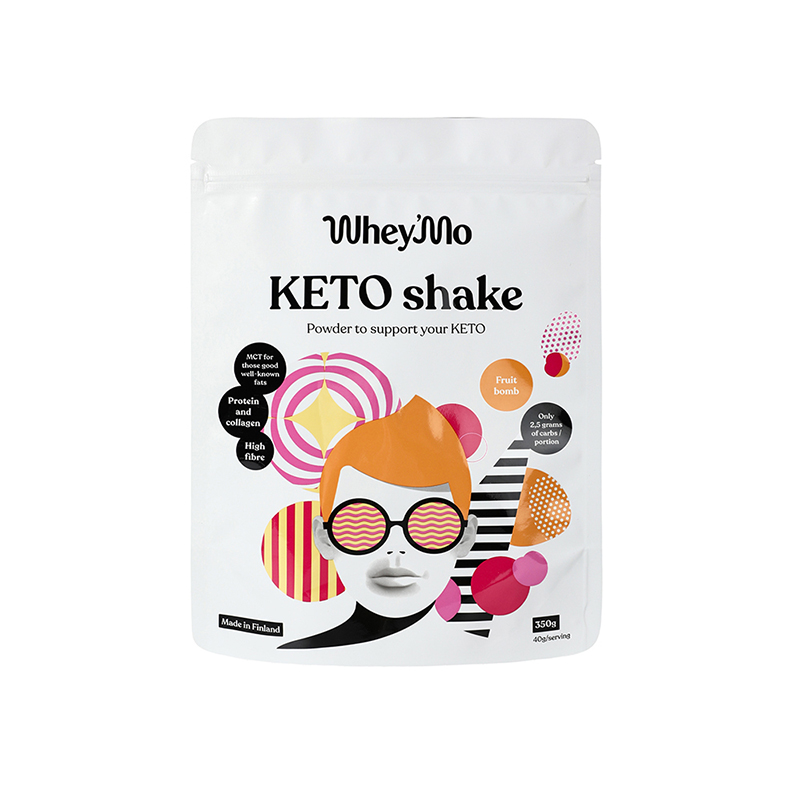
Flexible pouches are suitable for many baking ingredients and dry mixes because they can be customized to match different product volumes, storage requirements, and packaging processes. Compared with rigid containers, they can also reduce packaging weight and take up less space before filling.
Common applications include flour and baking blends, pancake and waffle mixes, cake premixes, bread mixes, cocoa powder, powdered sugar, baking powder, seasoning blends, and dry dessert ingredients. The appropriate pouch depends on whether the product is a fine powder, a granular ingredient, or a mixture containing ingredients of different sizes.
For retail products, a custom stand-up pouch can provide an upright display and a broad printable front panel. For smaller baking premix samples or individual portions, a flat pouch may be more practical.
Moisture protection is one of the main considerations when choosing packaging for baking ingredients. Flour blends, starches, powdered sugar, baking powder, and other dry ingredients may absorb moisture under unsuitable storage conditions. This can lead to clumping, changes in powder flow, or reduced ease of use.
The required moisture barrier depends on the actual formulation, expected shelf life, storage environment, and distribution conditions. Products containing fats, milk powder, nuts, or other oxidation-sensitive ingredients may also need appropriate oxygen and light protection.
When sourcing custom dry mix packaging, buyers should discuss the product's protection requirements with the manufacturer rather than assume that every laminated pouch offers the same barrier performance. Material specifications and packaging tests should support the final selection.
Brands exploring different packaging formats can also consider paper pouch packaging. Paper-based designs may be suitable for certain baking products, but any additional barrier layers should be selected according to the food's protection requirements.
The best pouch format depends on the product's volume, sales channel, serving size, and expected usage. A single-use cake mix sachet has different requirements from a large bag of flour blend intended for repeated use.
Stand-up pouches: Suitable for many retail baking mixes, powdered ingredients, and smaller dry food products. The bottom gusset allows the package to stand upright, while a resealable zipper can be added for products used over multiple occasions.
Flat pouches: A practical option for single-serving baking mixes, recipe samples, small ingredient portions, and trial packs. Their compact structure can support efficient packing and distribution.
Flat bottom pouches: Worth considering for premium baking mixes or larger retail packs that need a stable base and multiple printable surfaces. The structured shape can help maintain a consistent presentation on store shelves.
Side gusset pouches: Useful for selected larger-volume dry ingredients where expandable side panels provide additional capacity. The final dimensions should be based on product volume, filling requirements, and storage needs.

For products sold in smaller quantities, a three-side seal pouch for food packaging is another format worth evaluating. It can be suitable for portion packs and dry ingredient samples, depending on the required size and material structure.
A resealable zipper is useful when consumers are likely to open a package several times. For example, a large pancake mix pouch or a multi-serving baking blend may be used across several baking sessions. A zipper makes it easier to close the package after measuring out the required quantity.
However, a zipper does not replace the original heat seal or provide the same level of protection as an unopened package. Consumers should follow the product's storage instructions, and the pouch material must provide suitable protection for the intended application.
Single-serving baking mixes usually do not need a resealable closure. A properly designed heat-sealed pouch may be sufficient when the contents are intended to be used immediately after opening.
Before approving a design, buyers should check zipper usability, opening convenience, seal integrity, and whether fine powders could contaminate the sealing area during filling.
Pouch size should be determined by the product's actual volume, not net weight alone. Different dry ingredients have different bulk densities. A kilogram of flour, powdered sugar, and granulated baking ingredients may occupy different amounts of space even when their weights are identical.
Before selecting dimensions, packaging buyers should consider:
Testing a sample pouch with the actual baking mix can help identify problems with filling, powder leakage, pouch stability, and sealing before mass production begins.
Depending on the product and its required barrier performance, baking brands can evaluate recyclable, compostable, PCR, and paper-based packaging options. These alternatives may support different sustainability goals, but they are not interchangeable in every application.
For example, a moisture-sensitive baking powder may require a different material structure from a dry ingredient intended for short-term use. The chosen packaging must still protect the product, maintain reliable seals, and withstand normal distribution conditions.

Brands comparing packaging formats can explore flat bottom pouches for products that need a stable, structured appearance on retail shelves. Buyers should confirm available material options and verify that the selected structure meets the requirements of their particular food application.
Before placing an order, buyers should confirm that the pouch is suitable for both the product and the intended filling process. A visually attractive package is not enough if it cannot maintain the required barrier performance or run efficiently on the packaging line.
For a more accurate packaging recommendation, provide the manufacturer with the product type, target weight, expected shelf life, storage conditions, and preferred pouch format. These details make it easier to assess the most appropriate packaging structure.
What is the best packaging for cake mix and pancake mix?
Stand-up pouches are a practical choice for many retail-sized cake and pancake mixes, especially when resealing is useful. Flat pouches can work well for single-serving portions. The final choice depends on product volume, barrier requirements, and usage.
Do dry baking ingredients need moisture-resistant pouches?
Many dry ingredients benefit from moisture protection, but the required barrier varies by formulation. Buyers should evaluate the product's sensitivity, shelf life, and storage conditions before choosing a material structure.
Are flexible pouches suitable for bulk baking ingredients?
Yes, selected pouch formats can be developed for larger quantities of dry ingredients. Side gusset and flat bottom pouches may be worth evaluating, depending on product volume, filling equipment, and package strength requirements.
Can custom pouches be printed with different baking product designs?
Custom printing can help brands distinguish product varieties, communicate preparation instructions, and maintain a consistent brand identity. Available printing and finishing options should be confirmed with the packaging supplier.
Can sustainable pouches protect baking mixes effectively?
Potentially, yes. Recyclable, compostable, PCR, and paper-based options can be evaluated where suitable. The final material should still meet the product's protection, sealing, and storage requirements.
Flexible pouches offer baking brands a versatile way to package flour blends, cake mixes, pancake powders, baking ingredients, and other dry food products. The right solution balances product protection, pouch dimensions, filling efficiency, consumer convenience, and shelf presentation.
Bioflexi offers customizable pouch formats and material options for different packaging needs. By sharing your product specifications and packaging goals, you can evaluate suitable options before moving into sample testing and mass production.
To discuss your requirements, visit Bioflexi's flexible packaging website and explore the available pouch formats for your food products.
lf you would like to work with us or just want to get intouch, we'd love to hear from you!

Copyright @ 2026 Shanghai BioPouches Co., Ltd All Rights Reserved. Network Supported
leave a message