

Author
Marie R. Winters


When designing flexible packaging, brands often focus on pouch size, material structure, barrier performance, zipper type, printing, and overall appearance. However, one important packaging factor is sometimes overlooked: headspace. The space between the product and the top sealing area can influence filling efficiency, sealing quality, product protection, package appearance, and the way a pouch performs during transportation and storage.
Headspace is especially important in flexible packaging because pouches are not rigid containers. Their shape can change as products are filled, settled, sealed, transported, opened, and resealed. A pouch that appears to have sufficient capacity when empty may behave differently once it is filled with coffee beans, snacks, pet food, protein powder, tea, or other products.
For packaging buyers, understanding headspace can make it easier to communicate product requirements with a flexible packaging manufacturer. Instead of choosing a pouch based only on its external dimensions, brands can consider the relationship between product volume, pouch structure, filling process, sealing requirements, material performance, and the final user experience.
In flexible packaging, headspace is the area between the top surface of the product and the upper sealing or closure area of the pouch. It is the space that remains after the intended amount of product has been filled into the package.
For example, if a stand-up pouch is filled with roasted coffee beans, the beans may occupy most of the lower portion of the pouch while some space remains above the product before the pouch is sealed. That remaining area is commonly referred to as headspace.
Headspace should not automatically be considered wasted space. A certain amount can be necessary for practical filling and sealing. The product needs enough clearance to stay away from the seal area, especially when the product contains powder, crumbs, particles, or oil that could interfere with sealing.
At the same time, excessive headspace may make the package appear underfilled and can increase the amount of air surrounding the product. Therefore, the objective is not to create as much or as little headspace as possible. The goal is to achieve a practical balance between product capacity, sealing performance, package appearance, and product protection.
Headspace is connected with several stages of the packaging process. From filling and sealing to transportation and consumer use, the amount of space above the product can influence how the pouch behaves.
The main reasons headspace matters include:
For this reason, headspace should be considered as part of the overall pouch design. It should not be treated as an isolated measurement after the bag dimensions have already been finalized.
One of the most important functions of headspace is to help keep the product away from the sealing zone. Flexible pouches are often closed using heat sealing, and the seal needs a relatively clean surface to form consistently.
If a pouch is filled too close to the top, powder, crumbs, oil, or other product particles can enter the area where the package needs to be sealed. When this happens, the sealing process may become less consistent. The problem can become more noticeable on automated filling lines where many pouches are filled and sealed continuously.
A suitable amount of headspace creates a practical buffer between the product and the seal. This is especially important for products such as protein powder, ground coffee, spices, pet food, granola, and other products that can move or settle during filling.
Headspace therefore needs to be considered together with the zipper position, top seal dimensions, pouch height, filling equipment, and actual product characteristics.
Headspace can affect the environment around a product, but its influence on product protection depends on the complete packaging system. Material barrier performance, sealing quality, closure design, product characteristics, and storage conditions are all important.
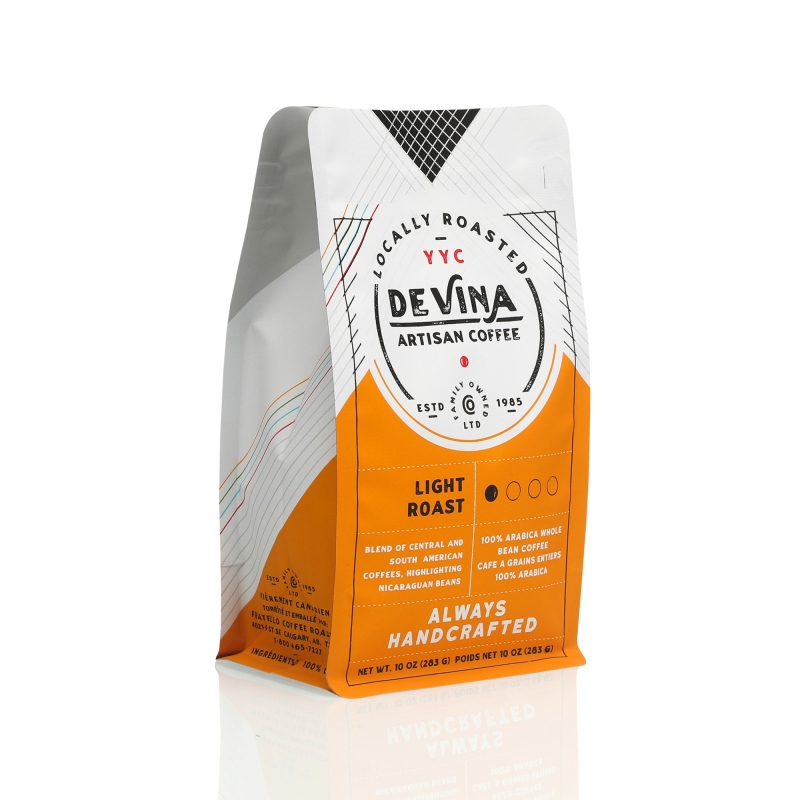
Coffee provides a useful example. Freshly roasted coffee can release carbon dioxide after roasting, while the product is also sensitive to oxygen, moisture, light, and aroma loss. This means that coffee packaging needs to consider not only pouch dimensions but also barrier materials and gas-management features.
Bioflexi offers flat bottom pouch solutions for coffee and other products where stable shelf presentation and practical filling volume are important. Some coffee pouch formats can also include resealable closures and one-way degassing valves depending on the application.
The key point is that headspace should not be evaluated independently from the rest of the package. A high-barrier pouch with a reliable seal may provide strong protection, but the final package still needs to be correctly sized for the product and filling process.
Too little headspace can create problems during filling and sealing. When the product level is too close to the top of the pouch, there may not be enough clearance for the sealing equipment to create a clean seal.
Potential problems include:
However, the solution is not simply to make the pouch taller. Increasing the overall dimensions can increase material usage, shipping volume, and packaging costs. A better approach is to evaluate the actual product volume and determine the most suitable combination of pouch width, height, gusset, closure, and headspace.
Excessive headspace creates a different problem. A pouch may contain the correct net weight but still look underfilled because a large portion of the package remains empty above the product.
This can affect retail presentation, particularly for products where consumers expect a certain visual fullness. Excessive empty space can also increase the overall package volume, which may affect carton packing, warehouse storage, and transportation efficiency.
The objective is therefore to avoid both extremes. A pouch should have enough clearance for reliable filling and sealing without creating unnecessary unused volume.
Pouch structure has a direct relationship with internal volume and product distribution. Different flexible packaging formats behave differently when they are filled.
Stand-up pouches use a bottom gusset that allows the package to stand upright. They are commonly used for snacks, powders, pet treats, and other retail products. The bottom gusset expands after filling, which changes the usable internal volume of the package.
Bioflexi provides stand-up pouch packaging for different applications, with options for customized dimensions, materials, closures, and printing.
Flat bottom pouches have a box-like structure and a stable base. This structure can provide good shelf stability and multiple printable surfaces. They are commonly used for coffee, pet food, snacks, protein powder, and other dry products.
Side gusset pouches expand through side panels and can accommodate products requiring greater volume. They are frequently used for coffee, tea, pet food, and other bulkier dry goods. The gusset depth affects internal capacity and therefore needs to be considered when determining the final fill level.
Bioflexi's side gusset pouch packaging is available for different product applications, including coffee, tea, pet food, and dry goods.
Flat pouches are generally compact and lightweight. They can be suitable for smaller quantities, samples, snacks, seasonings, and other products where a flat packaging format is preferred. Because the package has a relatively simple structure, the relationship between product volume and top clearance still needs to be considered.
There is no universal headspace measurement that is suitable for every flexible packaging application. Coffee beans, protein powder, pet food, snacks, tea, and powdered products have different densities, particle sizes, settling behavior, and filling characteristics.
Instead of using one fixed number, packaging buyers should evaluate:
Existing Bioflexi packaging guidance also emphasizes considering product volume, weight, gusset dimensions, and headspace together when determining pouch dimensions. This is particularly important because product density can cause two products with the same net weight to occupy very different physical volumes.
Coffee is one of the applications where pouch structure, headspace, barrier protection, and gas management need to work together.
Roasted coffee can release carbon dioxide after roasting. At the same time, oxygen and moisture can negatively affect coffee quality. Depending on the product and roasting process, coffee packaging may therefore require high-barrier materials, resealable closures, and a one-way degassing valve.
A side gusset structure can be useful when a coffee brand needs a larger internal capacity and broad printable surfaces. Bioflexi offers coffee and tea packaging solutions designed around different pouch formats and product requirements.
Headspace should still be evaluated according to the actual coffee format. Whole beans, ground coffee, and different roast levels can behave differently during filling and settling. Physical sampling is therefore more reliable than selecting pouch dimensions based only on nominal weight.
Protein powder presents a different packaging challenge because fine powders can trap air and settle after filling. If the powder level is too close to the top of the pouch, particles can enter the sealing area.
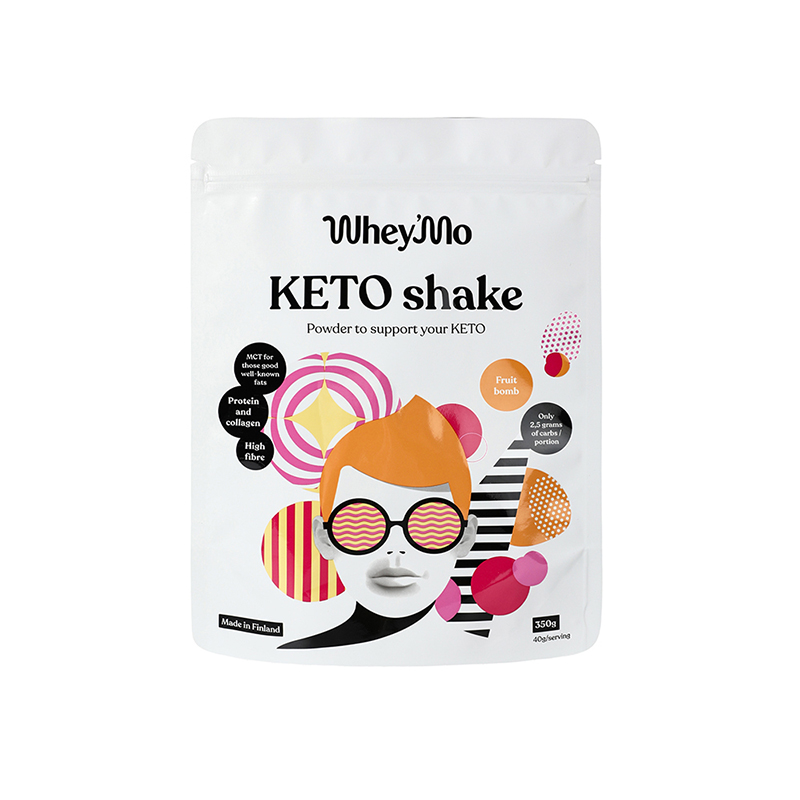
A resealable stand-up pouch can be suitable for protein powder because it provides a stable retail format and convenient opening and closing. Bioflexi provides protein powder and supplement packaging for dry nutrition products, with different pouch structures and material options available.
During development, the actual powder should be tested in the intended pouch. The powder's bulk density, settling behavior, filling equipment, and desired package appearance can all influence the final dimensions.
Snacks, nuts, granola, cookies, and chocolate products are commonly packed in resealable pouches. These products can have irregular shapes and different densities, so net weight alone is not enough to determine how much internal space the package needs.
Fragile snacks also require consideration of movement during transportation. If a pouch is excessively full, products may experience more pressure. If there is excessive empty space, individual pieces may move more freely inside the package.
A suitable pouch therefore needs to balance product capacity with protection and shelf appearance. The final headspace should be evaluated after filling and after normal handling rather than only when the package is empty.
Pet food packaging often involves larger pouch capacities, stronger structures, and heavier product loads. Dry kibble, treats, and dehydrated pet food can vary considerably in particle size and density.
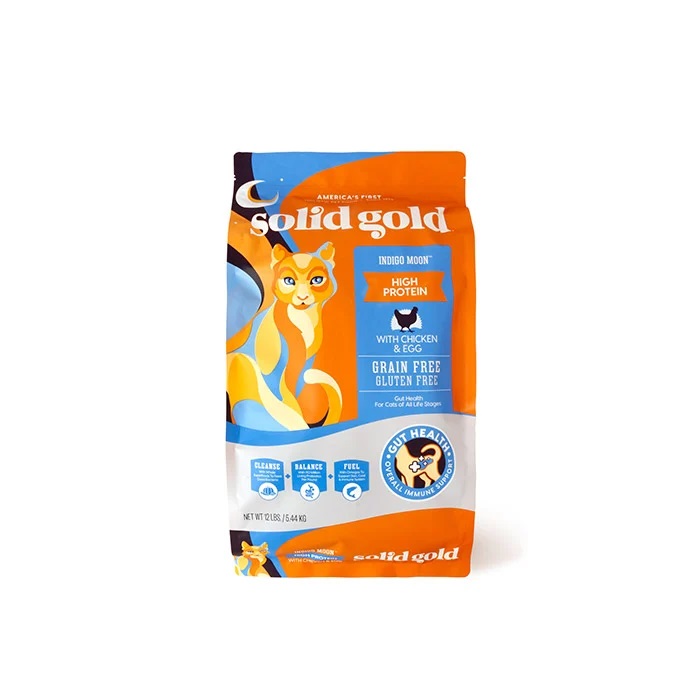
A side gusset pouch can provide additional volume for larger pet food formats, while a flat bottom pouch can provide a stable structure for retail shelves. Bioflexi's pet food packaging solutions cover different pouch formats and product requirements.
For larger bags, headspace should be considered together with gusset dimensions, seal strength, zipper performance, material structure, and transportation conditions. The objective is to create a package that remains stable and functional from filling through final consumer use.
Yes. Flexible packaging is not rigid, and many products change their position after filling. Granules can settle, powders can compact, and irregular products can rearrange themselves as the package is moved.
This means that the headspace immediately after filling may not be exactly the same as the headspace after transportation or vibration. For example, a powder may settle and create additional space near the top of the pouch, while a product made of irregular pieces may shift from one side of the package to another.
Packaging trials should therefore include realistic handling whenever possible. Observing the pouch immediately after filling and again after settling can provide useful information about the final package dimensions and appearance.
The most practical approach is to test the actual product inside a sample pouch before approving mass production. The test should reproduce the intended filling method as closely as possible.
Bioflexi provides a sample service that can be used to evaluate packaging before a larger production order. Testing actual samples is particularly useful for products with unusual density, irregular particle size, powder settling, or demanding sealing requirements.
Headspace is only one part of a complete flexible packaging system. The material structure must also provide the required protection for the product.
Depending on the application, packaging may need protection against oxygen, moisture, light, aroma loss, grease, or mechanical stress. Coffee, snacks, pet food, protein powder, and other dry products can have very different barrier requirements.
Bioflexi provides different material directions, including recyclable, compostable, PCR, and paper-based packaging. The appropriate structure depends on the product, required barrier performance, sustainability objectives, printing requirements, and intended end use.
When a brand is considering a more sustainable packaging format, headspace should still be evaluated together with the material structure. Reducing packaging material should not compromise the ability of the pouch to fill, seal, protect, and perform as intended.
Packaging efficiency is becoming increasingly important as brands look for ways to reduce unnecessary material use and transportation volume. A correctly sized pouch can help avoid excessive packaging while still providing enough room for filling and sealing.
However, reducing headspace simply by making the package smaller is not always the correct solution. If the product is pushed too close to the seal, filling and sealing performance may suffer. The better approach is to optimize the entire package around the actual product.
Brands can also evaluate paper pouch packaging or other sustainable material options when these structures are appropriate for the product's barrier and performance requirements.
Before approving a custom flexible packaging design, packaging buyers can use the following checklist:
This approach helps packaging buyers avoid choosing a pouch based only on external dimensions. The correct pouch should be developed around the physical characteristics of the product and the requirements of the filling and sealing process.
What is headspace in packaging?
Headspace is the space between the top of the product and the upper sealing or closure area inside a package. In flexible pouches, it provides clearance for filling, sealing, product movement, and closure operation.
Is more headspace always better?
No. Too little headspace can make filling and sealing more difficult, while too much headspace can make the package appear underfilled and increase unnecessary package volume. The appropriate amount depends on the product and pouch design.
Does headspace affect shelf life?
Headspace can influence the amount of air surrounding a product, but shelf life depends on the complete packaging system. Material barrier performance, oxygen and moisture transmission, seal integrity, product characteristics, and storage conditions all need to be considered.
How do I know how much headspace my pouch needs?
Start with the actual product weight, volume, density, particle size, filling process, pouch dimensions, and sealing requirements. Then test the actual product in a sample pouch to confirm the final fill level and sealing clearance.
Does headspace matter for protein powder?
Yes. Protein powder can settle after filling and may contain trapped air. Sufficient clearance can help keep powder away from the sealing area and support a more consistent filling process.
Does coffee packaging need headspace?
Coffee packaging needs an appropriate amount of space based on the coffee format, pouch dimensions, filling process, and gas-management requirements. Freshly roasted coffee may also require a one-way degassing valve.
Can headspace be reduced to save packaging material?
Headspace can be optimized, but it should not be reduced without testing. The pouch still needs enough clearance for clean sealing, reliable filling, product settling, and the intended consumer experience.
Does pouch shape affect headspace?
Yes. Stand-up pouches, flat bottom pouches, side gusset pouches, and flat pouches have different internal geometries. The pouch structure affects how the product settles and how much usable volume is available.
Headspace is one part of a larger flexible packaging decision. The right pouch needs to balance product capacity, pouch dimensions, material structure, barrier performance, closure, filling process, shelf presentation, and sustainability requirements.
Bioflexi provides custom flexible packaging solutions for food, snacks, coffee, tea, protein powder, pet food, cosmetics, and other applications. Its product structure includes flat bottom pouches, side gusset pouches, flat pouches, stand-up pouches, and paper pouches. The company also provides customized options for pouch size, materials, printing, closures, and other packaging features.
When requesting a packaging quotation, brands can provide several important details, including product type, target fill weight, product density, preferred pouch format, filling method, barrier requirements, closure requirements, sustainability goals, and expected storage conditions.
Providing this information allows the packaging manufacturer to evaluate the package more accurately. Instead of selecting a pouch only by its external size, the manufacturer can consider the actual relationship between product volume, headspace, sealing clearance, pouch structure, and material performance.
The goal is not simply to create a pouch that holds the correct amount of product. The goal is to create a package that fills efficiently, seals reliably, protects the product, looks appropriate on the shelf, and performs consistently throughout transportation and storage.
For brands developing a new flexible packaging format, physical sample testing is an important step before mass production. Testing the actual product in the proposed pouch can reveal issues related to settling, headspace, filling, sealing, closure position, and final appearance before a large production run begins.
With the right combination of pouch structure, material, dimensions, closure, and headspace, flexible packaging can provide a practical balance between product protection, production efficiency, shelf presentation, and material efficiency.
lf you would like to work with us or just want to get intouch, we'd love to hear from you!

Copyright @ 2026 Shanghai BioPouches Co., Ltd All Rights Reserved. Network Supported
leave a message