

Author
Marie R. Winters


Kraft flat pouches suit flat, lightweight, single-use items and e-commerce shipping. Stand-up pouches win for retail shelf impact, bulkier goods, and resealable convenience. So which one actually fits your product? This comparison covers structure, cost, shelf presence, shipping, filling, and customization for your product packaging. Bioflexi offers both pouch formats, so you can explore the right packaging for your needs.
Kraft flat pouches save money and ship easily for light, flat products.
Stand-up pouches display well on shelves and hold heavier items.
Flat pouches cost 20-40% less than stand-up pouches for small orders.
Stand-up pouches offer more space for branding and resealable features.
Both pouch types come in eco-friendly options to meet sustainability goals.
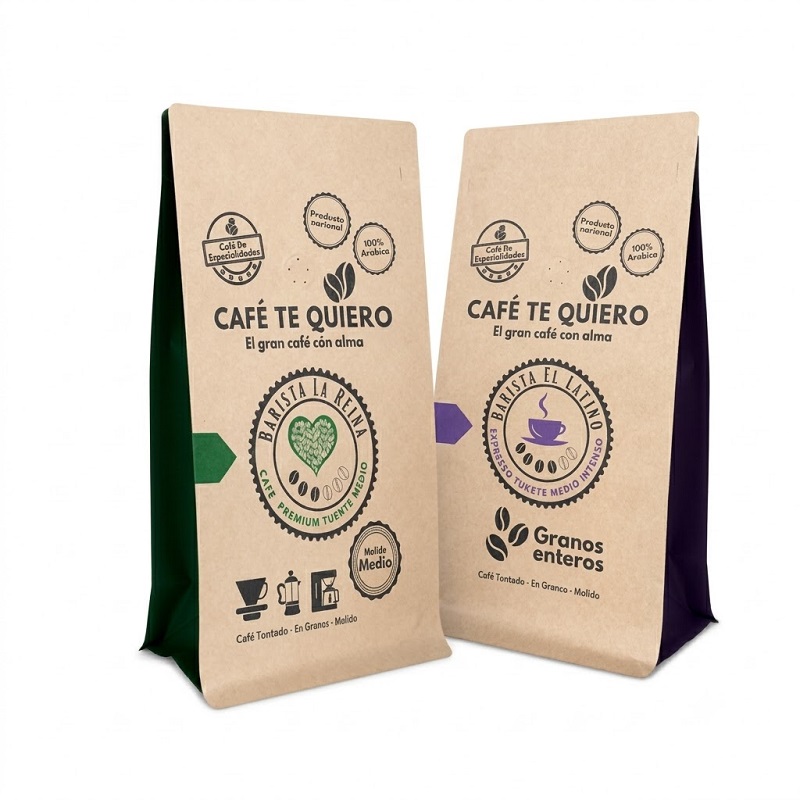
This format is a type of lay-flat pouch. This lay-flat pouch has no bottom gusset. It cannot stand on its own. You hang these pouches on pegs. You lay them flat for display and storage. The simple design makes it a practical choice for many products.
The structure includes multiple layers for strength and protection. This lay-flat pouch typically uses an outer layer of PET, BOPP, or kraft paper with a weight of 30–50 gsm. Kraft paper gives a natural, textured appearance that supports eco-friendly branding. Manufacturers add aluminum foil or VMPET for barrier protection against moisture, oxygen, and light. This barrier protection keeps your products fresh and extends their shelf life. Common multi-layer laminations include Kraft/AL/PE and Kraft/VMPET/PE. These combinations give you durability for your specific product needs.
This packaging suits flat, lightweight items across many industries. Common uses for lay-flat pouches include single-serve snacks, coffee samples, tea bags, beef jerky, small hardware parts, and e-commerce mailers. The flat design works well for retail pegs. You can also stack these pouches for efficient storage and shipping. The simple construction keeps your packaging budget under control for your needs.
This lay-flat pouch works best for flat or thin products such as samples and single servings. Kraft flat pouches offer a cost-effective choice for these items. The simpler construction lowers production costs compared to stand-up alternatives. You get easier printing and faster turnaround times.
For e-commerce shipping, a lay-flat pouch reduces dimensional weight significantly. The slim profile fits into flat-rate envelopes and small boxes. This efficiency saves you money on every order you ship. Many online sellers prefer this format for lightweight items like supplements and accessories. The reduced weight also lowers your carbon footprint during transport.
On a retail shelf, each unit hangs on a peg hook. The vertical display draws customer attention and maximizes your use of space.
This design delivers reliable packaging for your products. It combines material efficiency with practical function for daily use.
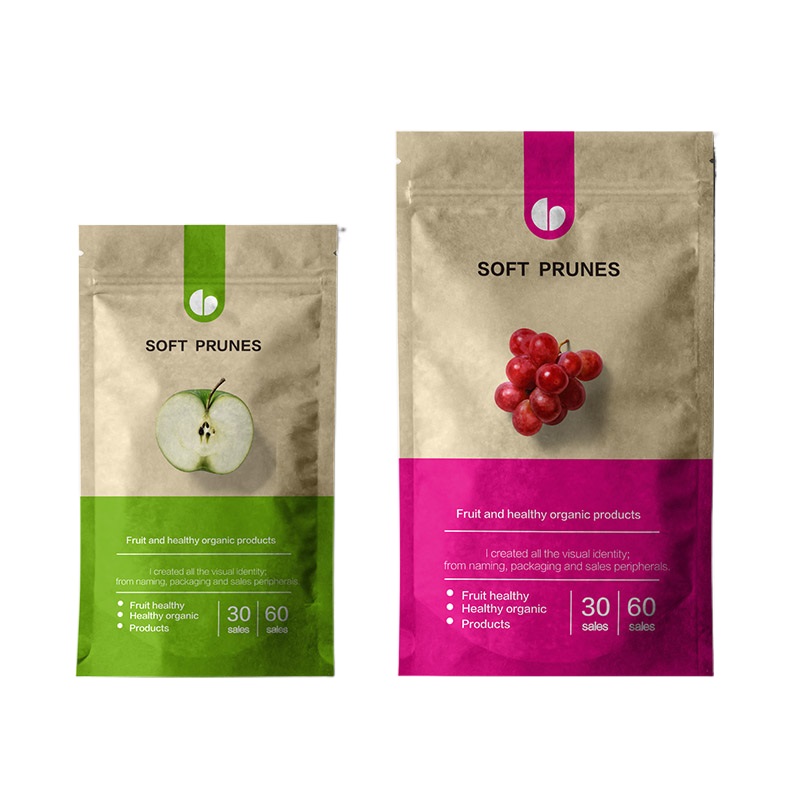
A stand-up pouch is a flexible pouch with a stable bottom gusset. This gusset lets the pouch stand upright on a shelf without support. You get a freestanding package that displays your product vertically. The design combines the flexibility of a pouch with the presence of a rigid container.
The bottom gusset defines the pouch structure. Two main types exist. A doyen bottom uses a rounded U-shaped gusset with a curved base. A plow bottom uses a folded gusset without bottom seals, creating a flat square base. Doyen bottoms suit lighter weights. Plow bottoms handle medium to heavy products with high stability. The plow bottom's folded gusset creates a flat base without a bottom seal. This gives kraft flat bottom pouches their sturdy, box-like stance.
Common uses for stand-up pouches span many industries. You find them in food, pet food, nutritional supplements, and non-food products. Resealable zippers add consumer convenience for granola, trail mix, coffee beans, loose leaf tea, nuts, dried fruits, protein powders, and candies. These pouches handle dry goods, liquids, powders, and semi-liquids. This versatility suits snack food, pharmaceuticals, supplements, pet food, cosmetics, and household products.
Stand-up pouches excel on retail shelves. The upright form gives stronger shelf visibility than flat alternatives. You place each pouch individually on the shelf rather than hanging it on a hook. This creates a more premium retail presence. Kraft stand up pouches offer an every-inch branding area with printability on the front, back, and bottom. High-quality digital printing, metallic finishes, and clear windows help your brand stand out.
Cost also favors this format. Stand-up pouches are often cheaper than block bottom bags. They offer a large, uninterrupted branding surface for your packaging. Barrier protection keeps contents fresh. Customizable features like hang holes enable flexible display options. The pouch delivers both function and visual appeal for your product.
The two formats differ in how many panels they use and how those panels seal. A lay-flat pouch uses two panels sealed on three sides. It has no bottom gusset. The pouch stays flat and does not expand when you fill it. A stand-up pouch adds a folded bottom gusset, which acts as a third panel. This gusset opens under the weight of your product. It creates a base that provides upright structure. The pouch can then carry heavier fills and closures more comfortably.
|
Pouch type |
Seal configuration |
Burst strength / testing |
|---|---|---|
|
Flat bottom bag (box pouch) |
More seals: side edges, bottom corners, and top |
Minimum burst strength of 300 kPa; subjected to burst and vacuum leak tests |
|
Stand-up pouch |
Curved base from gusset; relies on product weight distribution to stay upright |
Not specified in retrieved evidence |
Kraft flat bottom pouches belong to the stand-up family. Their plow bottom creates a flat square base. This base gives the pouch a sturdy, box-like stance on a shelf.
Choosing lay-flat or stand-up construction does not determine how well your product is protected. That comes down to the laminate structure, the material combination and seal quality. A properly specified lay-flat pouch will beat a basic stand-up pouch on shelf life every time.
Material use drives the cost gap between these two formats. A lay-flat pouch needs only two panels and three seals. A stand-up pouch needs an extra gusset panel and additional sealing steps. This extra material and labor makes stand-up pouches 20–40% more expensive than flat alternatives. You pay for the structure that lets the pouch stand.
Storage efficiency also favors the flat design. Empty lay-flat pouch stock stacks neatly and saves warehouse space. Empty stand-up pouch stock consumes more warehouse room because the gusset adds bulk. Once filled, the difference grows. A flat structure stacks neatly in cartons. A filled stand-up pouch takes more space because it cannot compress flat.
Shipping costs follow the same pattern. The flat design cuts shipping and storage costs. A stand-up pouch carries higher freight cost due to bulk. You move fewer units per pallet and pay more per unit shipped.
The cost picture changes when you weigh branding value. A stand-up pouch offers a large, uninterrupted print area. That surface can justify the higher unit price for retail products. A lay-flat pouch wins on pure efficiency for lightweight, high-volume items. Match the format to your product weight, your channel, and your branding goals. The cheaper pouch is not always the better business choice.
A retail shelf rewards products that customers notice fast. Kraft flat pouches hang on peg hooks. This display method works for small, lightweight items. The pouch hangs vertically and occupies minimal space. However, peg displays limit your product's visual impact. Shoppers see the front panel only. The pouch cannot stand alone, so it depends on the hook for support.
Stand-up pouches transform your shelf presentation. Each pouch stands upright without any support. The stable bottom gusset creates a freestanding structure. Kraft stand up pouches and kraft flat bottom pouches both deliver this advantage. A kraft flat bottom pouch uses a plow bottom for a sturdy, box-like stance. This upright format lets customers grab your product easily. The pouch stays visible among competitors. You gain stronger shelf presentation and better product discovery.
Your branding needs room to breathe. A stand-up pouch gives you a large, uninterrupted print area. You can print on the front, back, and bottom panels. This space supports bold graphics, ingredient lists, and brand stories. Kraft stand up pouches offer a natural, textured background for your design. High-quality digital printing and metallic finishes help your brand stand out.
Kraft flat pouches offer a smaller canvas. The two-panel design limits your print area. You still get clean, effective branding on the front and back. The flat format works well for simple, minimalist designs. However, the limited surface restricts complex artwork or extensive product information.
The pouch you choose shapes your retail strategy. A stand-up pouch delivers premium shelf presence and maximum branding space. A flat pouch provides efficient, cost-effective packaging for lightweight goods. Match your pouch format to your branding goals and your product's retail needs.
Shipping costs often decide which format wins for online sellers. A lay-flat pouch ships in a flat-rate envelope with no wasted space. The slim profile keeps dimensional weight low. You pay less per order and move more units per shipment. Kraft flat pouches fit this model perfectly. They slide into mailers and small boxes without extra padding. This packaging choice cuts freight costs and speeds up order fulfillment.
Stand-up pouches behave differently in transit. A filled pouch holds its shape and takes up more room in a carton. You fit fewer units per box. Kraft stand up pouches still work for e-commerce, but they suit higher-value items where shipping cost matters less. A kraft flat bottom pouch adds stability for heavier goods, yet it also adds bulk. Weigh your product value against freight cost before you commit.
Your filling line determines how smoothly production runs. A lay-flat pouch feeds easily through standard form-fill-seal machines. The flat structure aligns cleanly, so seals form without wrinkles. This setup delivers strong filling efficiency for powders, snacks, and small parts. Kraft flat pouches run at high speeds on simple equipment. You spend less on changeover and maintenance.
Stand-up pouches need different handling. A pouch with a bottom gusset requires a machine that opens the gusset before filling. Doyen and plow bottoms each demand specific tooling. Kraft stand up pouches and kraft flat bottom pouches often need pre-made pouch fillers rather than rollstock systems. This raises setup cost and can slow filling efficiency. The trade-off buys you resealable convenience and retail shelf appeal. Match your equipment to your format before you order.
Kraft flat pouches serve flat, thin, and lightweight goods. Coffee samples fit this format well. A single-serve sample bag stays flat, ships cheaply, and hangs on a peg near the grinder. Tea sachets and loose-leaf sample packs also work. Beef jerky strips lie flat inside the pouch without crushing. Small hardware parts, screws, and craft supplies ship safely in a lay-flat pouch. E-commerce sellers use this format for accessories, stickers, and supplement singles. The slim profile slides into a mailer with no wasted space. Each lay-flat pouch keeps dimensional weight low, so you pay less per shipment. If your product sits under a few ounces and needs no resealable closure, this format delivers the best value.
Stand-up pouches handle bulkier, denser, and resealable goods. Coffee beans need a one-way valve and a zipper, and kraft stand up pouches provide both. Pet treats, kibble, and training bites fill the wider base without tipping. Protein powders, collagen, and drink mixes demand a sturdy bottom, and a kraft flat bottom pouch delivers that stability for heavier fills. Nutritional supplements, gummies, and capsules benefit from the upright display and resealable convenience. Non-food items like bath salts, potting soil samples, and small toys also suit this format. The pouch stands on a retail shelf and invites a grab. A kraft flat bottom pouch adds a box-like stance for heavier fills. Both styles give you a large print area for branding.
Bioflexi supplies both formats and helps you match the pouch to your product. The team reviews your fill weight, closure needs, and sales channel before recommending a structure. That guidance saves you from ordering the wrong pouch and paying for a redesign later.
|
Product type |
Recommended format |
Why it fits |
|---|---|---|
|
Coffee samples, tea, jerky |
Kraft flat pouch |
Flat, light, peg-friendly, low freight cost |
|
Coffee beans, pet treats, powders |
Stand-up pouch |
Resealable, stable base, strong shelf presence |
|
Hardware, accessories, singles |
Kraft flat pouch |
Slim profile, cheap flat-rate shipping |
|
Supplements, bath salts, toys |
Stand-up pouch |
Upright display, large branding surface |
Your fill weight, closure needs, and distribution channel drive the final call. A light sample product rarely justifies the extra cost of a gusset. A heavy, resealable retail item rarely performs well in a flat format. Bioflexi can send samples of each style so you test both before you commit.
The price per unit depends on your order volume. For small runs under 10,000 units, kraft flat pouches cost substantially less than stand-up alternatives. The simpler two-panel structure reduces material use and production time. You pay less because you receive less material in each pouch. This price difference makes flat pouches attractive for startups testing new products or running small batch productions.
Order volumes change this equation. At quantities above 50,000 units, the per-unit cost gap narrows. Stand-up pouches benefit from longer press runs and automated gusset forming. The material cost difference remains but shrinks as a percentage of total price. Custom features like zippers add to both formats equally. A flat pouch with a zipper costs more than a basic flat unit. The stand-up format with a valve costs more than the basic version. The base structure difference stays consistent regardless of add-ons.
For maximum cost efficiency, order the largest practical quantity for your pouch. Larger orders spread plate and setup charges across more units within your product's shelf life. Your savings peak at full pallet volumes. This rule applies to both flat and stand-up pouch formats. The per-unit price drops steadily as volume increases.
The unit price tells only part of the story. Shipping and storage costs add hidden weight to your total packaging expense. The flat pouch stacks flat in boxes or on pallets. You fit more units per pallet and per truckload. This storage efficiency lowers your warehousing cost and inbound freight for packaging materials.
The stand-up format consumes more space. The pre-formed gusset prevents tight stacking. You fit fewer units per carton and fewer cartons per pallet. Your warehouse holds less inventory in the same footprint. Freight costs rise because you ship more air. This bulk penalty applies whether you ship empty or filled pouches.
Filled products follow the same pattern. The flat format lies flat in a shipping carton. You stack multiple units in one box with minimal wasted space. A filled stand-up format occupies more cubic volume per unit. This reduces outbound shipping density. For lightweight products, dimensional weight charges eat into margins. That hidden cost can exceed the unit price savings from a cheaper format. You must evaluate total cost, not just unit price, to choose the right packaging for your product.
Sustainability now drives many packaging decisions. You want a pouch that meets your sustainability goals without sacrificing product quality. Both formats offer eco-friendly options today. Your choice depends on material selection and disposal infrastructure in your market.
Mono-material structures lead the shift toward recyclability. A single material like PE replaces mixed laminates. This design allows the pouch to enter existing recycling streams. You lose some barrier protection compared to multi-layer structures. New high-barrier PE films close this gap for many dry products today. Kraft flat pouches and kraft stand up pouch options both come in eco-friendly film versions.
Compostable options use plant-based materials. PLA, PBAT, and cellulose films break down in industrial compost facilities. These materials suit short-shelf-life products like snacks and dry goods. You must verify that your local facility accepts compostable packaging. Not every region has the infrastructure to process these materials.
Kraft paper adds a natural aesthetic to either format. A kraft outer layer supports compostable claims when paired with compatible inner films. The paper surface accepts water-based inks for a fully compostable package. This combination appeals to eco-conscious shoppers on your shelf.
The trade-off remains consistent. Higher recyclability or compostability often reduces moisture and oxygen barrier. You need to test your product's shelf life with these materials before committing to a format. A short-lived product suits these options well. A product with a long shelf life may need traditional barrier structures.
The greener pouch depends on material choice more than format shape. A kraft flat pouch uses less material per unit. It lacks a bottom gusset. This lighter weight reduces raw material consumption and shipping emissions. For lightweight products, the flat format carries a smaller environmental footprint.
Stand-up pouches use more material per unit. The gusset adds weight and bulk. However, this format helps prevent food waste through resealable convenience. Keeping product fresh longer can offset the extra material impact. A kraft flat bottom pouch offers similar stability for heavier fills. It still uses more material than a flat alternative.
Your sustainability requirements should guide your choice. Evaluate sustainability across the full lifecycle. Look at material sourcing, production energy, shipping weight, and end-of-life disposal. A pouch that keeps product from spoiling may deliver greener outcomes than a lighter pouch that leads to waste.
Test both formats with your specific product. Measure actual shelf life and waste rates. The greener choice balances material efficiency with functional performance for your unique product.
Bioflexi gives you control over every detail of your packaging. You choose between digital and rotogravure printing. Digital suits small batches with fast turnaround. Rotogravure maintains color consistency across large runs. Both methods work well on kraft paper and film surfaces.
Your pouch dimensions match your exact product size. Width, height, and gusset depth all adjust to your specifications. Sizes range from small sample packs to bulk bags. This flexibility eliminates wasted space inside the package. Your product fits without shifting during transit. The result is better material efficiency and lower cost per unit.
Clear windows add visual appeal to your design. Customers see the actual product before purchasing. You place the window on the front or combine it with a back print. A window works for both kraft flat pouch and kraft stand up pouch options. The transparent section builds shopper confidence at the point of sale.
Kraft flat pouches print on both panels with full coverage. The two-sided design supports clean, minimal branding. You lose no print area to seams or gussets. This format works for simple product information and small logos.
The stand-up format delivers more canvas for your brand story. A kraft stand up pouch prints on front, back, and bottom panels. You add a zipper for resealable convenience. A tear notch improves opening ease. A hang hole enables peg display next to other custom pouches on the shelf. These features increase usability without sacrificing design.
A kraft flat bottom pouch offers similar flexibility with a box-like stance. The flat base supports heavier fills. The front panel provides space for ingredient lists and brand messaging.
Both formats accept matte, gloss, or metallic finishes. You choose water-based inks for compostable structures. The customization team helps you match every packaging option to your product requirements and budget.
This checklist helps you match product type, budget, distribution channel, and branding goals to the right format. Use the matrix below for a quick comparison. Then review the questions before you commit to a pouch order.
|
Criterion |
Kraft Flat Pouches |
Stand-Up Version |
|---|---|---|
|
Product weight |
Light, flat items under 1lb |
Moderate to heavy fills |
|
Closure needs |
No closure or simple heat seal |
Resealable zipper or one-way valve |
|
Retail display |
Peg hook display |
Shelf standing, front-facing |
|
Shipping efficiency |
High — flat profile, low dimensional weight |
Moderate — bulkier shape, higher cost |
|
Branding surface |
Front and back panels |
Front, back, and bottom panels |
|
Unit cost |
Lower, 20–40% less |
Higher due to gusset material |
|
Empty storage |
Stacks flat, saves space |
Bulkier, fewer units per pallet |
Your decision depends on where your product lands across these criteria. A light single-serve item works well with a flat format. A heavier product with resealable needs needs a stand-up design.
What is your product's weight and shape? A flat, thin item under a few ounces suits kraft flat pouches. A bulkier product over half a pound needs the stability of a stand-up pouch with a bottom gusset. The gusset supports the weight and prevents tipping on the shelf.
Where will your product sell? Retail store displays reward upright packaging. A stand-up format catches shopper attention from the aisle. Online sales reward flat, lightweight packaging. You save on shipping costs with a slim profile. Your distribution channel shapes this decision.
Does your product need resealable closure? Coffee beans, pet treats, supplements, and powders need a zipper for freshness. Stand-up designs offer this feature easily. Single-serve samples and hardware parts do not. Flat formats work well for these products.
What is your budget per unit? A flat pouch costs 20–40% less than a stand-up version. At small order volumes, this gap widens. For large runs above 50,000 units, the difference narrows. Factor in shipping and storage costs too.
Do you need sustainable packaging? Both formats offer eco-friendly material choices. Kraft paper outer layers support compostable claims. Mono-material structures enable recyclability. Check with your supplier for suitable options in your market.
Bioflexi can send samples of each style. Test your product in both formats before you commit. The team reviews your fill weight, closure needs, and sales channel to recommend the best pouch structure.
Choose kraft flat pouches for flat, lightweight, budget-friendly products and e-commerce shipping. Choose kraft stand up pouches for retail shelf impact, resealable convenience, and bulkier items. Your product type, budget, distribution channel, and branding goals drive the final call. A kraft flat bottom pouch can bridge both needs when you require extra stability.
Bioflexi supplies both formats and offers samples, quotes, and guidance. Request a sample kit today. Test your product in each pouch style. Then contact Bioflexi to find the packaging that fits your product best.
Kraft flat pouches cost 20–40% less than stand-up versions. The two-panel design uses less material and fewer seals. For runs under 10,000 units, this gap stays wide. Startups testing a new product often choose this format to protect their budget.
Yes. You can add a hang hole to a kraft stand up pouch. This feature lets the pouch sit on a peg or stand on a shelf. You gain display flexibility for different retail setups. Ask your supplier to include the hang hole during production.
No. Coffee beans need a one-way valve and a resealable zipper. A flat pouch lacks the gusset and closure for this job. Choose kraft stand up pouches or kraft flat bottom pouches instead. These formats hold the valve and keep beans fresh after opening.
Kraft flat pouches handle light, flat items under 1lb. Doyen stand-up pouches suit lighter weights. Plow bottom styles, including kraft flat bottom pouches, support medium to heavy products. Match the pouch to your fill weight before you order.
A flat pouch ships in a flat-rate envelope with low dimensional weight. You fit more units per carton and per pallet. Stand-up formats take more cubic space. For lightweight goods, the flat design cuts freight cost on every order.
lf you would like to work with us or just want to get intouch, we'd love to hear from you!

Copyright @ 2026 Shanghai BioPouches Co., Ltd All Rights Reserved. Network Supported
leave a message